


Embrace weathered gates, reclaimed wood signs, and stone borders; blend native meadow beds, evergreen hedging, and staggered stone driveway edges; add irregular flagstone paths, mossy grout, and rock gardens with succulents; install wooden trellises for clematis, raised barn‑wood beds, dwarf fruit trees, and a quiet water feature, all lit by warm lanterns or solar lights. You’ll see how each element works together, and the next step shows how to turn this vision into a low‑maintenance, welcoming front yard.
Embrace a Weathered Fence or Gate

When you let a weathered fence or gate become the centerpiece of your garden, you instantly add character and a sense of history that invites visitors to linger, while you enjoy the comforting, rustic charm it brings to the space.
You can choose weathered gateposts that show the grain of time, their rough wood softened by rain, and pair them with oxidized metalwork that glints softly in sunrise, the patina telling stories of past seasons.
Arrange climbing vines to weave through the posts, letting ivy or roses frame the gate, while low‑lying groundcovers spill at the base, creating a seamless progression to the lawn.
Add a simple wooden sign or reclaimed lantern, and you’ll feel the yard transform into a welcoming, lived‑in haven that reflects your personal style, yet stays easy to maintain. For storing gardening tools and outdoor supplies near your gate, consider a wicker storage cabinet that complements the natural textures of your rustic design.
Add a Rustic Stone Pathway With Irregular Pavers

Lay down a rustic stone pathway with irregular pavers, and you’ll instantly give your garden a timeless, hand‑crafted feel that invites barefoot strolls and quiet contemplation.
Choose weathered irregular flagstones that vary in size and hue, letting each piece sit naturally among the others, and fill the joints with mossy grout that softens the edges while adding a subtle, living texture that ages beautifully.
As you work, picture how sunlight will dance across the uneven surfaces, creating shadows that shift with the day, and imagine how the gentle scent of damp stone will mingle with fresh air, making every step a sensory experience. For a cohesive outdoor aesthetic, consider carrying that natural stone character indoors with a marble top nightstand that bridges the beauty of the outside world with your interior spaces.
- Select natural flagstones – pick pieces with varied colors and rough edges for authenticity.
- Lay a sand base – spread a compacted layer to level the ground and support the stones.
- Apply mossy grout – mix moss into the mortar for a soft, organic finish that blends with the surroundings.
Shop This Look

Lightweight, easy DIY outdoor landscaping solution that’s durable and long-lasting for hassle-free installation and years of reliable performance from these rock stepping stones

RUBBER STEPPING STONES: Elevate your outdoor space with these lightweight simulated flagstone rubber pavers that offer the timeless beauty of real stone without the heavy lifting.

Durable & Easy: These 15.5" stepping stones are made of weatherproof resin, so they can withstand rain, hail, UV rays, and cold temperatures. They also feature four ground stakes for secure installation, making them perfect for patios, walkways, and gardens.
Plant Native Wildflowers and Ornamental Grasses

After the stone path settles into the garden’s rhythm, sprinkle the surrounding beds with native wildflowers and ornamental grasses, letting their colors and textures echo the natural landscape while adding bursts of life and movement. You’ll choose pollinator mixes that draw bees, butterflies, and hummingbirds, pairing them with drought‑tolerant varieties like black-eyed Susan, coneflower, and little bluestem, ensuring vibrant blooms even in dry spells.
Plant in clusters for visual impact, using taller grasses such as feather reed to create gentle sway, while low‑lying wildflowers form soft, colorful carpets that soften hard edges. Amend soil with compost, water deeply at first, then let rain do the work, and you’ll watch a resilient, lively meadow emerge, turning your front yard into a thriving, rustic oasis. To complement this natural aesthetic, display potted wildflowers and grasses in wicker plant baskets that blend seamlessly with the rustic surroundings and add warmth to your entryway.
Install a Wooden Trellis for Climbing Vines

Set up a sturdy wooden trellis along the sunny side of your patio, choosing reclaimed cedar or pressure‑treated pine that weathers gracefully, then anchor it securely with concrete footings or deep garden stakes to guarantee it can bear the weight of vigorous vines.
You’ll soon see how the trellis becomes a focal point, echoing classic vine arbors while adding texture that blends with garden beds, and the natural grain of the wood will complement any surrounding lattice panels, creating a seamless, rustic backdrop for blossoms and foliage.
For a more polished and modern aesthetic, consider incorporating wood slat wall panels into your outdoor design to add depth and visual interest alongside the trellis structure.
- Choose the right wood – select cedar for natural resistance or pine treated to last, then cut to the desired height and width.
- Install supportive hardware – use galvanized brackets, sturdy bolts, and concrete footings to keep the structure steady against wind and growing weight.
- Plant climbing vines – pick hardy varieties like clematis, honeysuckle, or jasmine, train them early, and prune regularly to shape a lush, living screen.
Shop This Look
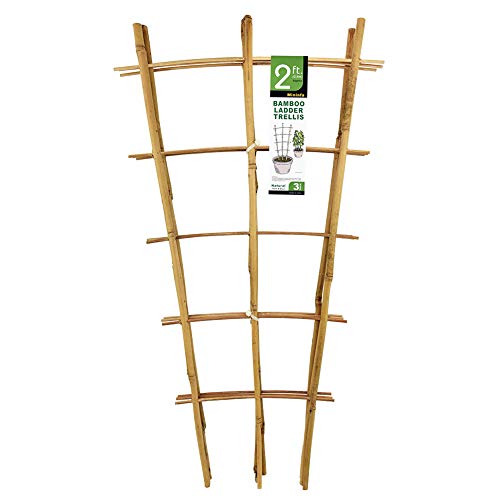
QUALITY – Our premium bamboo trellis are all handmade, using the high quality bamboo from the subtropical monsoon climate region. Very strong and flexible, durable for several seasons, so our potted plant support won’t be easily blown down by the wind, climbing trellis can help taking some weight of your plants like tomatoes or peppers. Bamboo is eco-friendly materials. All bamboo canes are hand selected and hand treated.

Stylish Gardening Accessory: Classic grid-style trellis strong enough for a variety of plants, complementing your surrounding garden or patio.

ELEGANT DESIGN INSPIRED BY NATURE – Inspired by the graceful ZZ leaf, the Zella trellis doubles as décor. Its minimalist form makes it a striking statement piece while keeping your houseplants growing upright.
Build Raised Garden Beds From Reclaimed Barn Wood

Gather your reclaimed barn wood, then start arranging the weather‑worn planks into a sturdy, raised garden bed that won’t only hold soil and plants but also bring the timeless charm of a farmstead to your backyard.
You’ll notice the reclaimed timber’s natural patina, its knots and grain adding character while the sturdy frame resists rot, letting you stack soil without wobble.
Fill the bed with a blend of compost, sand, and leaf mulch as a soil amendment that improves drainage, aeration, and nutrient retention, creating a healthy bed for tomatoes, herbs, or flowers.
Secure the corners with stainless‑steel brackets, level the surface, and water the first planting, then step back and admire the rustic, functional centerpiece that proves you can transform old wood into vibrant, productive space. Once your outdoor space starts taking shape, consider adding a solid wood coat rack near your entrance to carry the same natural, rustic aesthetic from your yard right into your home.
Shop This Look

Each raised metal garden bed size: 4×2×1ft ,7.14Cu

【400LBS Capacity & Lifetime Anti-Rust】 Crafted from heavy-duty powder-coated iron (not cheap wood!), this raised bed holds up to 400lbs without bending. The 3x thicker coating ensures it won't rust for years, even in rain or snow. This is the last garden bed you'll ever need to buy."

Size:7x3x1ft (84"L x 36"W x 12"H) raised bed offers of planting space,ideal for vegetables,herbs,flowers,fruits(Attention: This is a two-piece set in one box)
Create a Cozy Seating Nook With a Vintage Bench

Your reclaimed barn wood garden bed already sets a rustic stage, and adding a vintage bench nearby turns the space into a cozy retreat where you can pause, sip tea, and admire your handiwork.
Picture a weathered textile throw draped over the bench, its soft, faded patterns inviting you to settle into a tea nook that feels both timeless and welcoming, while surrounding plants sway gently in the breeze, framing the scene with color and texture.
- Choose a bench with distressed paint and sturdy legs, then sand and seal it to protect against rain and sun.
- Add a weathered textile cushion or blanket, layering soft fabrics that echo the garden’s natural palette.
- Surround the nook with low‑lying shrubs, fragrant herbs, and a small lantern for evening ambience.
Nearby, a solid wood plant stand can elevate potted herbs or trailing florals beside the bench, adding vertical interest and reinforcing the rustic, nature-forward aesthetic of your front yard nook.
Shop This Look

Perfect Gift for Plant Addicts: Celebrate green-thumbed friends with this self-aware, humorous sign! Bold text "YES I REALLY DO NEED ALL THESE PLANTS" pairs with charming gardening art—ideal for birthdays, holidays, or housewarming laughs.

Size and Materia: Our outdoor pillow covers is 18x18 inch (45 cm X 45 cm); Made of durable linen material; Spring throw pillow covers 18x18 is comfortable to touch and lay on (Not Contains Insert)

VIBRANT SPRING & SUMMER DESIGN: Featuring beautifully printed vintage floral, butterfly, and dragonfly patterns. The vibrant colors bring a fresh, farmhouse garden vibe to your home decor. (Note: Pattern is printed on the front side only; the back is solid natural color).
Install a Small Natural‑Rock Water Feature

Imagine a gentle cascade of clear water spilling over smooth, weather‑worn stones, creating a soothing murmur that blends seamlessly with the rustle of leaves and the scent of earth; by placing a small natural‑rock water feature near your reclaimed barn wood garden bed you’ll add a focal point that feels both timeless and alive, inviting birds to sip, children to explore, and evenings to glow softly under lantern light.
Choose a modest pond pump that circulates water quietly, ensuring a steady flow without disturbing the calm, and line the basin with moss accents that thrive in shade, adding lush green texture and natural filtration. Position the stones irregularly, letting water tumble over each curve, and integrate subtle lighting to highlight the ripple at night, creating a serene, inviting oasis that enhances your rustic front yard. For a finishing touch, consider installing deck post lights along the pathway leading to your water feature, casting a warm, welcoming glow that ties the entire landscape together after dark.
Line the Yard With Low‑Maintenance Evergreen Shrubs

Plant a line of low‑maintenance evergreen shrubs along your yard’s edge, and you’ll instantly gain a year‑round backdrop that frames your garden, softens harsh borders, and adds texture while demanding little care.
Choose varieties that thrive in your climate, especially those labeled evergreen hedging and drought tolerant shrubs, because they stay green through summer heat and winter chill, reducing watering needs and maintenance time.
By grouping them in a gentle curve or straight line, you create visual flow that guides the eye toward the house, while the dense foliage offers privacy and a sense of enclosure that feels both rustic and refined.
- Pick compact, slow‑growing species like Boxwood or Juniper for tight hedging.
- Space plants 3‑4 feet apart to allow air circulation and easy pruning.
- Mulch the base with gravel or shredded bark to retain moisture and suppress weeds.
To complement your outdoor greenery indoors, consider using large indoor planters to bring the same lush, layered aesthetic inside your home.
Add Rustic Lantern Lighting for Evening Ambiance

After the evergreen hedges frame your garden, soft glow of lanterns can turn the dusk into a cozy, inviting scene, casting warm light that dances on the foliage and highlights the natural textures of your rustic landscape.
Choose soft lanterns with weather‑resistant metal or reclaimed wood, hang them from low branches, or place them on stone steps so they spill amber light across pathways. Pair them with solar lanterns that charge by day, eliminating wiring hassles and keeping your yard eco‑friendly, while the built‑in sensors automatically brighten at sunset. Arrange clusters near seating nooks, beside a water feature, or along the driveway to guide guests safely home. For a more festive and versatile touch, outdoor string lights can be draped along fences, wrapped around tree trunks, or strung overhead to create a canopy of warm, glimmering illumination across your entire front yard.
Build a Decorative Rock Garden at the Entrance

Set the tone for your home’s curb appeal by shaping a decorative rock garden right at the entrance, where the rugged charm of stone meets the soft, inviting texture of surrounding plantings, and you’ll instantly give visitors a sense of grounded elegance that feels both natural and thoughtfully designed.
Choose a mix of river stones, boulders, and flat slabs, then spread a layer of rock mulch to soften edges, retain moisture, and keep weeds at bay, while planting seasonal succulents in pockets that burst with color throughout the year, creating a living tapestry that shifts with each season.
- Base layout – sketch a gentle curve or geometric pattern, then arrange stones in varying heights for visual interest.
- Rock mulch – spread a 2‑inch layer around stones, providing texture and drainage.
- Seasonal succulents – plant low‑maintenance varieties like Sedum, Echeveria, and Sempervivum for year‑round color.
To complete the look after dark, line the edges of your rock garden with garden pathway lights that cast a warm glow across the stones and highlight your plantings throughout the evening hours.
Define Planting Zones With Mulch and Gravel

When you start shaping planting zones, think of mulch and gravel as the canvas that frames each garden section, allowing you to separate textures, control moisture, and guide the eye toward focal points while keeping maintenance low.
Choose a mulch color that complements your house siding—rich brown or warm gold can brighten borders, while darker tones hide weeds.
Lay gravel at a depth of two to four inches, enough to stay stable under foot traffic but shallow enough to let water infiltrate.
Create distinct zones by alternating these materials, using wider mulch strips for flower beds and tighter gravel corridors for pathways.
Add edging stones or reclaimed wood to keep each zone tidy, and sprinkle low‑maintenance groundcovers to soften transitions, ensuring every section feels intentional, cohesive, and inviting.
Construct a Rustic Garden Shed From Reclaimed Materials

Start by gathering a mix of reclaimed wood, salvaged metal, and weathered pallets, then lay out the dimensions of your shed on a level patch of ground, visualizing how each piece will fit together like a puzzle of history and purpose, while you picture the warm, earthy tones of reclaimed timber creating a cozy, rustic shell that invites you to store tools, potting mix, and garden treasures.
As you frame the walls, you’ll choose reclaimed doorways that echo old farmhouses, and you’ll fasten a corrugated roofing sheet that adds texture and protection, sealing gaps with weather‑proof sealant.
The result feels like a timeless hideaway, sturdy yet inviting, ready for every gardening need.
- Select sturdy reclaimed wood for walls and floor.
- Install reclaimed doorways with vintage hardware.
- Cover the roof with corrugated roofing for durability.
Plant Dwarf Fruit Trees for Seasonal Interest

Imagine strolling through your garden and spotting a burst of pink blossoms in early spring, followed by glossy green leaves that frame summer’s fruit, and finally a splash of ruby‑red apples or golden pears that linger into autumn; planting dwarf fruit trees lets you create that year‑round tableau, because these compact varieties, trained to stay under six feet, fit neatly into small spaces, respond quickly to pruning, and produce a generous harvest without overwhelming your landscape.
You can train a dwarf espalier along a fence, letting branches fan out in elegant, layered patterns that add texture and shade, while a container espalier on a patio railing brings fresh scent and color to even tight patios.
Choose hardy varieties like dwarf apple, pear, or plum, prune after each season, and watch the cycles repeat, giving you pride, fresh produce, and a living sculpture that evolves with the calendar.
Hang a Hand‑Painted Welcome Sign

After arranging dwarf fruit trees that frame your garden with seasonal color, you can add a personal touch at the entryway by hanging a hand‑painted welcome sign that greets guests and sets the tone for the whole landscape.
Choose a sturdy repurposed plank, sand it smooth, then apply distressed woodgrain accents that reveal rustic charm while protecting the surface, and paint hand painted typography in bold, flowing letters that echo your home’s personality, ensuring the colors complement the surrounding foliage.
- Select the right wood – reclaimed barn wood or cedar, both durable and naturally aged.
- Design the lettering – sketch a simple phrase, then fill it with hand painted typography using weather‑proof paint.
- Mount securely – attach a sturdy hook or bracket, position the sign at eye level, and step back to admire the warm, inviting focal point.
Finish the Driveway Edge With a Natural‑Stained Border

You’ll notice the driveway’s edge turning into a welcoming frame when you lay a natural‑stained border, a simple yet striking detail that ties the whole landscape together while protecting the pavement from erosion and weed invasion.
Choose stained stonework that echoes the earthy tones of your home, and pair it with native edging of grasses or low‑shrubs that thrive locally, ensuring the border stays vibrant without constant upkeep.
Lay the stones in a staggered pattern, leaving spaces for the native edging to grow, then tamp the base to keep everything level and secure.
As water runs off, the border channels it away, preventing pooling and damage.
The result feels handcrafted yet durable, a rustic finish that says you’ve mastered both style and function.
Frequently Asked Questions
How to Prevent Weeds Between Irregular Stone Pavers?
Picture the gaps as tiny rivers; fill them with gravel jointing, then sweep polymeric sand over the surface, tamp it down, and water lightly—this locks the stones, stops weeds, and holds everything firmly.
Best Soil Mix for Raised Beds Using Reclaimed Barn Wood?
Use a mix of three parts topsoil, two parts compost, and one part coarse sand, ensuring compost balance. Add a layer of shredded bark or gravel as drainage layers before filling with the soil blend.
What Is the Ideal Spacing for Dwarf Fruit Trees in a Front Yard?
Like a garden of tiny lanterns, plant dwarf fruit trees 8‑12 feet apart, choosing compatible rootstock and mapping your microclimate to make certain each tree thrives without crowding.
How to Protect a Rustic Wooden Trellis From Rot?
Apply a high‑quality wood sealant to the trellis, then guarantee regular airflow maintenance by trimming nearby foliage and installing vented brackets, preventing moisture buildup and extending its lifespan.
Can a Vintage Bench Be Safely Placed on Uneven Ground?
Absolutely, you can safely place a vintage bench on uneven ground—just apply leveling techniques, like shims or a compacted base, and use bench anchoring to lock it down, preventing any wobble.
Conclusion
You’ve gathered weathered gates, reclaimed wood, moss‑filled stone, native meadow beds, and lantern light into a front yard that feels like a cozy, living storybook, each element a chapter that whispers welcome. By arranging irregular flagstone paths like winding sentences, planting dwarf fruit trees that bloom like bright punctuation, and adding a quiet water feature that murmurs calm, you create a space that’s both charming and low‑maintenance. Trust your vision, follow these steps, and watch your rustic oasis flourish.


