


Wind gusts exceeding 30 mph can snap stems and shred foliage on 60% of common garden plants, turning your coastal or prairie yard into a graveyard of broken perennials. You don’t need to accept bare soil and battered shrubs as your reality, though. Strategic plant selection transforms exposed sites into thriving, low-maintenance landscapes that actually improve with each gust. The nineteen species below have proven themselves in the harshest conditions—here’s how they’ll work for you.
Key Takeaways
- Evergreen structural shrubs like Griselinia littoralis and Elaeagnus × ebbingei create windbreaks and tolerate coastal salt spray year-round.
- Rosa rugosa forms impenetrable hedges that disrupt wind flow while resisting salt, severe winters, and disease with minimal maintenance.
- Ornamental grasses such as Stipa tenuissima bend with wind rather than resist it, reducing storm damage in exposed sites.
- Mat-forming groundcovers like Delosperma and Erigeron karvinskianus anchor soil, resist desiccation, and self-root through gravel in windy conditions.
- Drought-tolerant perennials including Achillea and hardy geraniums feature flexible foliage that withstands persistent winds without staking or breaking.
Sea Buckthorn (Hippophae Rhamnoides)

If you’re battling relentless coastal winds, sea buckthorn (Hippophae rhamnoides) stands as one of nature’s most resilient defenders.
This deciduous shrub features narrow silvery leaves and thrives in poor, well-drained soils where other plants struggle. You’ll need both male and female sea buckthorn plants nearby to produce the abundant bright orange berries that appear in late summer through autumn.
Sea buckthorn excels in tough landscape situations—use it for coastal screens, shelterbelt hedging, or erosion control on dunes and slopes.
Its exceptional salt and wind resistance makes it ideal for stabilizing soil while providing leeward protection for more delicate plantings. The vitamin C-rich berries attract wildlife and offer harvesting opportunities, though the thorny branches require careful handling.
For gardeners looking to create permanent wind-resistant plantings in exposed areas, metal raised beds provide durable protection for sea buckthorn’s root zone during establishment.
Shop This Look

MADE WITH PURE USDA-Certified Organic sea buckthorn oil. We harvest berries from our own organic farm located on the pristine Tibetan Plateau and oversee every step of production from seed to shelf. This ensures quality and nutrition.

SEA BUCKTHORN: Grown in high altitudes of the Himalayas, this fruit contains beneficial compounds

Micro Ingredients offers a plant-based sea buckthorn oil supplement made from sea buckthorn fruit extract and combined with cold-pressed evening primrose oil in a convenient veggie softgel format.
Rosa Rugosa
Rosa rugosa consistently ranks among the most indestructible roses for windswept gardens, combining the ornamental beauty of cultivated varieties with the toughness of a wild coastal survivor. Native to temperate East Asia, this suckering species thrives where other roses fail—tolerating salt spray, severe winters, and relentless winds.
You’ll appreciate its thick, leathery foliage and bristling prickles that create impenetrable hedges, functioning as effective windbreaks and living fences. Fragrant summer blooms give way to large, tomato-like rosehips you can harvest for jams and teas after removing irritant hairs.
Unlike tender evergreen shrub alternatives, Rosa rugosa resists most rose diseases and requires minimal care. Plant it where spreading won’t overwhelm smaller plants—its suckering habit makes it dominant but invaluable for exposed coastal and prairie yards. When establishing new plantings or maintaining mature specimens, invest in heavy duty garden tools that can handle the rose’s formidable thorns and woody canes.
Shop This Look

Attracts bees, butterflies, and other beneficial pollinators, enriching your garden ecosystem.

ships in 4 inch pot

Vibrant Mixed Colors: Enjoy a dazzling array of mixed hues, including pink, red, yellow, and white, from the 20,000 Moss Rose seeds, adding color and vibrancy to any garden or container
Elaeagnus X Ebbingei

Elaeagnus × ebbingei transforms exposed yards into sheltered sanctuaries with its dense, evergreen framework that laughs off coastal gales and salt spray.
This hardy shrub creates year-round screening with silvery-backed foliage that stays grey-green above, maintaining its compact form even in brutal wind conditions.
You’ll appreciate how easily it establishes in various soils and tolerates drought once rooted.
Unlike fussier evergreen shrubs, it demands minimal maintenance—just occasional pruning to shape your hedge or shelterbelt.
Its real bonus arrives in late summer through autumn when small, tubular white flowers release their fragrance across your windy garden.
Plant it as a windbreak component or standalone hedge to protect more delicate plants on the leeward side.
It delivers both structural defense and seasonal beauty where exposure typically limits your options.
Consider showcasing this robust evergreen in a stainless steel planter box to elevate its architectural presence while providing excellent drainage for windswept locations.
Shop This Look

RESILIENT GROUNDCOVER: The Parsoni Juniper is an attractive evergreen ground cover packed with aromatic foliage that features hues of blue and green. On average a fully mature plant will reach 2-3' H x 5-6' in width depending on its growing conditions. The needle-like foliage gives this plant a feathery appearance from a distance and is a feature that has made this juniper plant so popular.

Evergreen shrub with dense silvery-green foliage ideal for natural privacy hedges and property boundaries in various climate zones
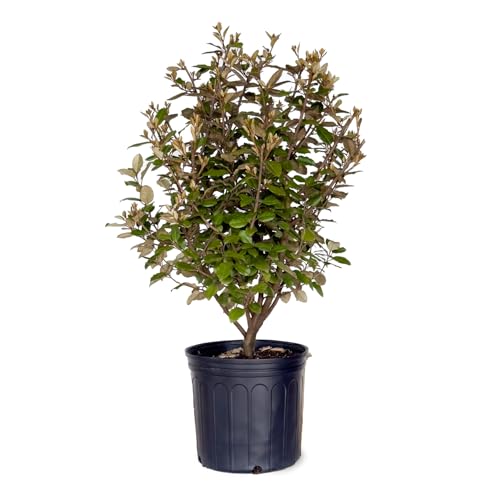
RESILIENT HEDGE: A dense evergreen shrub with upright, spineless branches densely packed with silver-scaled green foliage. Very small, intensely fragrant flowers open in fall and are followed by small red berries. An excellent hedge, foundation shrub or small accent tree. Evergreen in mild winter climates and remains hardy in USDA zones 7 – 11. Expect fully grown examples to reach 8-10' tall and wide.
Mahonia
Mahonia japonica stands firm against coastal blasts and exposed positions with its architectural framework of leathery, holly-like pinnate leaves that resist wind-driven desiccation far better than softer-leaved shrubs.
Its tough foliage and drought tolerance make it exceptionally reliable in windy conditions. You’ll appreciate the scented yellow flower spikes that emerge in late winter to early spring, followed by blue-black berries that attract wildlife throughout the seasons.
Once established, mahonia tolerates various soils but performs best in well-drained positions. Plant it as an evergreen screen or combine it with cotoneaster, Griselinia, or evergreen trees like Elaeagnus in mixed hedging to create year-round structure and layered wind protection.
Less hardy cultivars benefit from some sheltering. When pruning spent flowers and foliage, collect the clippings in a stainless steel compost bin to recycle nutrients back into your garden soil.
Shop This Look

Thrives in USDA zone 6-10

REBLOOMING EVERGREEN SHRUB: Encore Azalea Autumn Royalty is a reblooming purple azalea that will give you months of beauty instead of weeks. Once they have bloomed, the first thing you will notice is the large, deep pink flowers! These evergreen shrubs make an excellent foundational growth plant and grow well in mass. This fast grower can reach sizes of 4.5' W x 4' H.

Delivering Nature's Joy: From large, high-impact trees and reliable, versatile shrubs to tropical fruits, rare house and patio plants and much more, our varieties provide the garden solutions you need
Griselinia Littoralis

Griselinia littoralis delivers exceptional performance in the harshest coastal conditions, where its glossy, light green leaves and distinctive zig-zag stems shrug off salt spray and relentless winds that would quickly tatter softer-leaved shrubs.
This evergreen forms a dense, year-round screen reaching 10–15 feet tall, making it invaluable for hedging or windbreaks that shelter vulnerable plants on the leeward side.
Its waxy foliage resists winter desiccation, maintaining sheltering structure through cold, blustery months when other plants struggle.
You’ll appreciate how well it tolerates pruning—shape it into formal clipped hedges or leave it informal for a relaxed screen.
Plant griselinia in well-drained soil, and it’ll become the backbone of your coastal gardens, standing firm against elements that defeat less resilient species.
For additional wind protection and privacy in particularly exposed areas, consider pairing your griselinia hedge with privacy fence screens to create a layered defense against the elements.
Delosperma (Ice Plant)
Delosperma transforms wind-battered slopes and exposed rockeries into carpets of jewel-toned color, its succulent leaves and mat-forming habit engineered by nature to withstand desiccating gusts that would shrivel conventional groundcovers.
From April through frost, you’ll enjoy vibrant blooms in purple, pink, red, orange, yellow, or white that thrive where other plants struggle.
Why Delosperma excels in exposed sites:
- Moisture-storing foliage minimizes surface area vulnerable to wind desiccation
- Self-rooting stems anchor through gravel gaps and resist salt spray
- Evergreen varieties provide year-round soil protection in coastal beds and walls
Plant Delosperma in full sun with gravelly or sandy drainage.
Maintenance requires only occasional post-bloom trimming to refresh the mat and promote vigorous growth, while plants readily naturalize in dry, windy conditions. For container displays on exposed patios or balconies, choose large outdoor planters with adequate drainage to showcase these resilient groundcovers while protecting their roots from extreme wind exposure.
Stipa Tenuissima (Mexican Feather Grass)

Where low-growing succulents protect windswept ground, Mexican feather grass (Stipa tenuissima) commands the middle layer with billowing plumes that dance rather than fight the breeze.
This fine-textured ornamental grass forms neat, non-spreading clumps that reach 1–2 feet, with silvery flower stems extending to 3 feet in mid to late summer.
You’ll appreciate its hair-like foliage that creates a soft, hazy effect when planted en masse along borders or pathways.
Stipa tenuissima thrives in full sun with well-drained, dry to average soils—perfect for coastal and prairie-style gardens where wind and salt spray are constant challenges.
Once established, it tolerates drought exceptionally well while maintaining year-round interest through persistent seedheads.
Just avoid heavy, waterlogged soils where this graceful grass struggles.
For gardeners with limited ground space, wall mounted grow shelves can provide an elevated alternative for starting seedlings or displaying smaller ornamental grasses indoors before transplanting.
Hardy Geraniums
Hardy geraniums (Geranium spp.) anchor exposed beds with tough, low-growing foliage that flexes rather than snaps in persistent winds.
These resilient perennials thrive in well-drained, gravelly soils and root effortlessly through gaps in rockeries and borders.
You’ll appreciate their extended bloom periods through summer, attracting pollinators while creating sheltering microclimates for smaller companions.
Pair hardy geraniums effectively by:
- Combining with grasses like Panicum and Stipa to add movement and structural contrast
- Layering in wind-blasted borders where their tussocky habit reduces exposure for lower-growing plants
- Planting alongside Erodium manescavii for varied texture in coastal and prairie-style gardens
Maintenance stays minimal—simply cut back spent flowerheads and tuck in dead foliage each autumn to promote vigorous regrowth and additional flowering.
For year-round cultivation in sheltered spots or greenhouse zones, supplement natural daylight with LED grow light panels to extend the growing season and maintain consistent foliage vigor.
Festuca Glauca (Blue Fescue)

Festuca glauca earns its place in wind-swept gardens through steel-blue foliage that remains vibrant across all seasons, forming compact tufts that rarely exceed twelve inches in height.
This evergreen ornamental grass thrives in full sun and dry soil, tolerating exposed coastal and prairie conditions with minimal fuss. You’ll appreciate how its fine-textured blades sway gracefully in breezes while maintaining their neat mound shape—typically spreading twelve to eighteen inches wide.
The grass produces inconspicuous tan seedheads in summer that won’t flop over during storms.
Maintenance demands stay minimal: simply trim back old growth each early spring and divide clumps every three to four years. Plant it as edging, in gravel beds, or among mixed prairie perennials where its cool blue tone provides striking contrast.
When bringing divisions or potted specimens indoors for temporary display, consider using a metal plant shelf to accommodate multiple containers while maximizing vertical space.
Pinus Mugo (Dwarf Mountain Pine)
Pinus mugo anchors wind-battered landscapes with dense, evergreen mounds that laugh off gales, salt spray, and skeletal soils that defeat less resilient plants.
This dwarf mountain pine grows slowly into compact, 1–3-foot shrubs—some cultivars stretch to 6 feet—delivering year-round structure without constant pruning.
You’ll appreciate its versatility in exposed yards:
- Foliage options: Choose cultivars with blue- or green-tinted needles to complement your design palette.
- Growth habits: Select tight mounds for rockeries or slightly upright forms for layered borders.
- Placement flexibility: Anchor foreground beds, gravelled areas, or coastal edges where other evergreen shrubs fail.
Plant it in full sun and well-drained soil.
Once established, this evergreen thrives on neglect, tolerating drought and requiring only occasional shaping to maintain its rugged, windproof silhouette.
For evening enjoyment of your wind-resistant landscape, consider pairing these low-maintenance plantings with heavy duty flood lights that withstand the same harsh conditions.
Hylotelephium ‘Herbstfreude’ (Autumn Joy Sedum)

Thick, succulent leaves and sturdy stems make Hylotelephium ‘Herbstfreude’ a natural choice for windswept gardens where lighter perennials would shred or topple. This drought-tolerant sedum stores water in its fleshy foliage, resisting the desiccating effects of constant wind exposure.
In late summer, flat-topped clusters of pink buds open to coppery-pink blooms that mature into rusty red, providing months of color when many perennials have faded.
Growing 18–24 inches tall, ‘Herbstfreude’ thrives in full sun and well-drained soil—perfect for gravel beds, rockeries, and coastal plantings. Its flowers attract pollinators during the critical late-season nectar gap.
Leave spent seedheads standing through winter for architectural interest and wildlife value, then cut back stems in spring to encourage fresh growth.
Erigeron Karvinskianus (Mexican Fleabane)
While sedums offer bold, upright structure in windy gardens, some exposed sites call for plants that hug the ground and spread horizontally.
Mexican fleabane forms low, mat-like carpets that resist wind damage thanks to its wiry stems and prostrate habit.
You’ll enjoy masses of daisy-like flowers from late spring through summer, shifting from white to pink as they age.
This self-seeding perennial excels in exposed conditions:
- Coastal tolerance: Thrives in windy, salt-laden environments with excellent drainage
- Drought resistance: Requires minimal watering once established in sunny positions
- Low maintenance: Cut back only when untidy; otherwise let it spread over rockeries and walls
Its prolific blooms attract pollinators while providing long seasonal interest.
Use it as groundcover, edging, or let it naturalize through gravel and prairie-style plantings.
Aubrieta

Carpeting exposed slopes and rocky terrain with royal-purple blooms, aubrieta creates a wind-resistant tapestry that thrives where other plants struggle. This low-growing perennial tolerates salt spray and buffeting winds thanks to its mat-forming habit and close-knit foliage. You’ll get the best performance in rockeries and on walls where gritty, well-drained soil prevents winter waterlogging.
Plant in full sun for maximum flowering from spring through early summer. After the initial bloom, give it a hard trim to encourage a second flush and maintain its spreading habit. The evergreen to semi-evergreen foliage persists through mild winters, suppressing weeds year-round. Space plants to form a dense carpet that protects soil and withstands coastal conditions with minimal fuss.
Achillea (Yarrow)
Standing up to relentless wind and scorching sun, achillea sends up flat-topped flower clusters that won’t bend or break in exposed gardens.
You’ll appreciate this easy to grow perennial’s fern-like, aromatic foliage that naturally reduces water loss—perfect for desiccating coastal breezes and prairie winds.
Plant yarrow where it gets full sun and well-drained soil.
It actually thrives in dry, windy sites that defeat less hardy perennials.
Key advantages for wind-exposed yards:
- Drought-tolerant habit requires minimal watering once established
- Long-lasting summer blooms withstand persistent wind without staking
- Low-maintenance growth pairs beautifully with ornamental grasses
Mix achillea with grasses for movement and texture in prairie-style plantings.
The combination creates wind-resilient landscapes that look natural and require little fussing season after season.
Panicum Virgatum (Switchgrass)

Swaying gracefully in the strongest gusts, switchgrass transforms wind from a garden liability into a mesmerizing asset. This North American native clump-forming prairie grass tolerates wind, salt spray, and drought once established, making it ideal for windy sites. You’ll enjoy steely grey-green upright foliage topped with airy purple flower panicles in late summer that create a moving “haze” when breezes blow.
Expect 3–7 feet of height in bloom, providing vertical structure and seasonal screening for exposed gardens. The flowering stems and seedheads fade to golden-brown in autumn, persisting as winter interest and bird food. Cut switchgrass to the ground in late winter before new growth emerges to renew the clump and maintain vigor.
Japanese Anemones
When most perennials have finished their show, Japanese anemones unfurl delicate cup-shaped blooms atop wiry stems that bend with the wind rather than breaking.
These late-flowering stalwarts thrive in exposed coastal and prairie gardens, reaching 2–4 feet tall and providing essential pollinator forage through autumn.
Optimal planting strategy:
- Establish in early spring so roots anchor before late winter’s harshest conditions
- Position in moist, well-drained soil with part shade and some shelter from the strongest gusts
- Pair with sturdy companions like Eupatorium or ornamental grasses that help support stems in breezy sites
Divide clumps every few years to prevent overcrowding and maintain vigour.
Varieties such as *Anemone × hybrida* and *A. hupehensis* handle more sun if you keep soil consistently moist.
Catmint (Nepeta)

Catmint sends up clouds of lavender-blue flowers that dance in the breeze without losing a single bloom, making it one of the most reliable perennials for windswept gardens.
This wind-hardy plant thrives in USDA zones 3–9 and handles winter conditions with ease, requiring minimal maintenance once established.
You’ll find catmint perfect for exposed spots where other perennials struggle.
Growing it in baskets or containers enhances wind resistance and keeps plants secure, though this won’t deter curious cats from browsing young growth.
If you have house cats or neighborhood strays, plan your placement carefully—catmint’s appeal to felines is legendary.
Wait until plants mature before expecting them to withstand feline attention, regardless of whether they’re container-grown or in-ground.
Phlomis Russeliana
Phlomis russeliana stands firm against strong winds with its sturdy, upright stems and architectural presence that commands attention in exposed gardens.
This hardy perennial thrives in windy sites where many plants struggle, offering woolly grey-green foliage and whorled yellow flowers from late spring through early summer.
You’ll appreciate its drought tolerance and ability to perform in poor, well-drained soils—perfect for coastal or prairie-style landscapes.
Key growing requirements:
- Plant in full sun to part shade for prime flowering
- Provide well-drained soil; it tolerates poor, rocky conditions
- Cut back flowering stems after blooming to maintain shape and encourage fresh growth
Reaching 2–3 feet tall, phlomis produces persistent seedheads that extend visual interest through autumn, complementing ornamental grasses beautifully.
Carex (Sedge)

Carex sedges hold up remarkably well in exposed gardens, offering fine-textured foliage that bends gracefully with the wind rather than snapping under pressure.
These clump-forming grasses evolved on open grasslands, making them naturally suited to windy, exposed sites and prairie-style plantings.
Their evergreen or semi-evergreen leaves create year round interest while providing soft screening alongside taller windbreaks.
Match Carex species to your conditions—some thrive in well-drained sunny spots while others tolerate moisture.
Once established, they’re low-maintenance performers that form stable clumps resistant to whipping winds.
You’ll only need occasional division when plants become overcrowded.
Use Carex for edging mixed borders, filling gravelled rockeries, or anchoring exposed beds where their resilient habit stabilizes soil and adds constant movement and texture.
Frequently Asked Questions
Which Plant Can Best Withstand Harsh Winds?
Rugosa rose best withstands harsh winds because it forms dense, thorny windproof shrubs with thick, leathery foliage. You’ll get excellent salt-spray and wind resistance, plus it suckers to create a protective barrier that won’t fail.
What Is the 70 30 Garden Rule?
Think of your garden as armor and artistry combined. The Seventy Thirty rule means you’ll plant 70% tough, wind-resistant backbone plants (evergreens, grasses) and reserve 30% for delicate, colorful showstoppers.
What Can I Plant to Block Neighbors’ Views?
You can plant a Privacy Hedgerow using fast-growing evergreens like Griselinia, Elaeagnus, or Cupressus macrocarpa. For narrow spaces, choose columnar conifers or compact hollies. Dense, spiny Rosa rugosa creates impenetrable barriers while attracting wildlife.
What Plants Help Prevent Wind Erosion?
Erosion fighters include deep-rooted windbreaks like cypress and pine, clump-forming grasses such as switchgrass, low groundcovers like sedum, and tough suckering shrubs including rosa rugosa. They’ll anchor soil and dissipate wind energy effectively.
Conclusion
You’ve armed your exposed yard with nature’s own windbreakers—now watch them work like a championship relay team. The evergreens take the first brutal gust, grasses hand off the calmed breeze, and ground covers anchor the finish line. A coastal gardener in Oregon tracked her heating bills and found they dropped 15% after planting a Griselinia hedge; her plants didn’t just survive the wind, they turned it into an advantage. Your yard’s toughest challenge just became its greatest asset.


