


While succulents demand desert heat and drain-fast soil, ornamental cabbage thrives in frost, transforming your autumn borders into rosette-studded showcases when other plants surrender to cold. I’ve watched these Brassica oleracea cultivars deepen from pale lime to jewel-toned magenta as temperatures drop, their architectural heads requiring nothing more than consistent moisture and full sun. If you’re tired of pulling spent annuals each October, these cool-season workhorses offer something different: a plant that actually improves when winter arrives.
Why Ornamental Cabbage Thrives in Cold Weather Gardens

While most annuals fade with the first hard freeze, ornamental cabbage (Brassica oleracea) comes alive in cold weather, transforming from dull green rosettes into vibrant sculptures of purple, pink, and crimson.
I’ve learned that temperatures below 50°F trigger this stunning shift—cold suppresses chlorophyll production, allowing anthocyanin pigments to dominate and paint those signature purple leaves.
Once acclimated, these hardy brassicas survive sustained lows around 5°F, delivering reliable color when your garden needs it most.
That cold-activated chemistry makes ornamental cabbage the ultimate fall-to-winter performer, thriving precisely when traditional bedding plants surrender.
For those seeking year-round greenery without the maintenance demands of cold-sensitive plants, a large faux olive tree offers an elegant alternative that transforms indoor spaces with Mediterranean charm.
Ornamental Cabbage vs. Flowering Kale: What’s the Difference?

Most gardeners assume ornamental cabbage and flowering kale are interchangeable names for the same plant, but I’ve discovered the distinctions lie in leaf shape, texture, and rosette architecture.
Visual Differences:
- Ornamental cabbage displays broad, flat, smooth leaves arranged in tight rosettes with bold colored centers in pink, red, or white.
- Flowering kale features deeply cut, ruffled leaves with feather-like edges and blue-green outer foliage.
- Both plants intensify their cool-temperature color once frost hits, transforming from muted greens into vibrant purple-and-cream displays.
- The contrasting textures create dynamic visual layers when you pair smooth cabbage heads with frilly kale rosettes in seasonal containers.
- Showcasing these striking specimens in a ceramic planter set adds an elegant finishing touch that complements their ornamental appeal.
Shop This Look

VINTAGE TUSCAN STYLE DECOR: Inspired by Tuscan countryside aesthetics, this indoor planter adds a touch of rustic elegance to any room. Its vintage, shabby chic finish perfectly complements a variety of home decor styles, from farmhouse to bohemian.

VINTAGE DECOR: This elegant ceramic planter combines functionality and timeless charm, making it perfect for enhancing any indoor space.

Exquisite Vintage Design – Featuring a crackle glaze finish and hand-fired green leaf pattern, this ceramic flower pot brings timeless vintage charm to any space. The distressed detailing and artistic texture perfectly complement farmhouse, rustic, or classical home décor
Purple, Green, and White Varieties: Choosing by Color

Color choice transforms ornamental cabbage and kale from simple foliage fillers into architectural focal points that anchor your fall and winter garden palette.
I select purple-centered varieties for maximum drama, knowing their magenta-to-fuchsia tones intensify after light frosts when night temperatures dip below 50°F.
Green-and-white cultivars offer striking contrast as outer leaves stay blue-green while inner rosettes turn ivory when cold slows chlorophyll production.
Space ornamental cabbage and kale transplants 12–15 inches apart so mature 12-inch heads display their full color range.
Plant 6–10 weeks before frost, maintain even moisture, and fertilize monthly for vivid pigmentation.
After harvest season ends, store collected seeds in rattan storage baskets to keep them organized and allow proper air circulation through winter.
Compact, Ruffled, and Giant Forms: Choosing by Size and Shape

Matching form to function starts the moment I assess available space, container depth, and the visual rhythm I want in my fall beds.
Compact ornamental cabbage varieties suit tight edging and container centers, while ruffled flowering kale introduces feathery, lace-like texture that softens bold hardscapes.
Giant forms command attention as solo focal points, holding vivid color deeper into winter.
- Compact heads (12–15 inches) create repeating patterns along walkways and bed borders
- Ruffled types layer soft, frilly textures into mixed seasonal displays
- Flat-leaf rosettes offer architectural, sculptural presence in minimalist designs
- Giant cultivars anchor containers and serve as dramatic statement pieces
An elegant plant stand can elevate these ornamental cabbages to eye level, showcasing their intricate purple and green rosettes while maximizing vertical space in smaller gardens.
How to Plant and Care for Ornamental Cabbage

Timing matters more than most beginners realize, because ornamental cabbage planted too early will sulk in summer heat, while late transplants won’t develop full rosettes before hard frost arrives.
I set out ornamental kale transplants six to eight weeks before frost, spacing them 12–15 inches apart in rich, well‑drained soil under full sun.
Burying the stem flush with the lowest colorful leaves creates a compact silhouette.
Monthly balanced fertilizer and even moisture keep foliage vibrant, and as temperatures drop below 50°F, cold color intensity transforms whites into pinks and purples, delivering sculptural winter displays that rival any succulent arrangement.
For a striking indoor display, consider showcasing your ornamental cabbage in large indoor planters that complement their dramatic purple and green rosettes.
Shop This Look
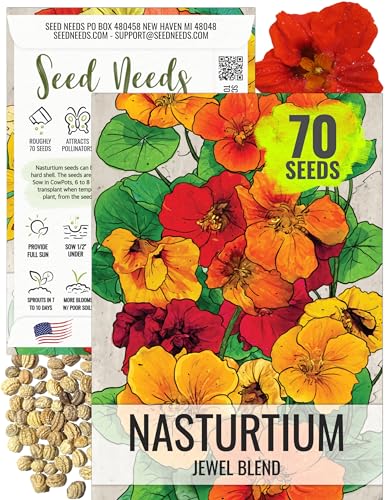
Nasturtium Seeds: Jewel Mixed Nasturtium, scientifically known as Tropaeolum nanum, is a compact variety of nasturtium, ideal for small gardens, containers, or borders.

Sturdy Trellis Support: As a perfect addition to your traditional vegetable garden, this raised bed planter is constructed of a 6.1 Gal capacity planter box with a 43.6" trellis on top which offers great support and ample space to grow a variety of your favorite vine flowers or climbing vegetables while eliminating the need for constant staking and tying also adds an impressive and decorative effect
![WindscreenSupplyCo] 60% 5'10'' x 100 FT Eyelets Shade Cloth Roll Sunblock Shade UV Resistant Net for Garden Greenhouse Flower Plant Patio Kennel, Green - PS6160GRN](https://m.media-amazon.com/images/I/51JN4JYcDiL._SL500_.jpg)
PREMIUM MATERIAL: Crafted from high-density polyethylene (HDPE), this tarp offers exceptional durability, ensuring it withstands harsh conditions and long-term use
Mass Planting Ornamental Cabbage for Bold Color Blocks

Massing ornamental cabbage transforms what might be a modest patch of fall foliage into a confident, rolling quilt of texture that anchors the whole border.
I plant transplants in mid-to-late summer, about six to ten weeks before frost, so the leaves called rosettes develop their deepest red or white centers as nights cool. These plants grow best when spaced twelve to fifteen inches apart, creating dense blocks that withstand summer heat if started early enough.
Four ways to maximize your mass planting:
- Single-color sweeps of purple or magenta for dramatic impact
- Alternating rows of contrasting centers
- Pairing with low companions like pansies or sedums
- Consistent fertility to keep heads compact
For an even bolder statement, showcase your ornamental cabbage in large indoor planters where the colorful rosettes can be appreciated up close during the cooler months.
Shop This Look
Captain Jack's Insecticidal Super Soap controls species of adelgid, ant, aphid, borer, caterpillar, spider mite, cricket, chinch bug, weevil, fly, thrip, and more

GROW GIANT MAMMOTH SUNFLOWERS UP TO 12 FEET TALL. These mammoth sunflower (Helianthus annuus) seeds are known for producing impressively tall plants with huge, golden-yellow blooms and dark centers. Reaching heights of up to 12 feet with flower heads as wide as 14 inches, they make a striking visual statement in any garden. Ideal for borders, backyards, or along fences, these sunflowers attract attention while offering natural beauty and pollinator support.
Protect your oasis with Captain Jack's Bt Thuricide Ready-to-Use Spray; this product controls cabbage looper, hornworms, tent caterpillars and more
Edging Garden Beds With Purple and Green Rosettes

Lining up ornamental cabbage and kale along bed edges turns a simple border into a living ribbon that frames every perennial clump and shrub with intention. I space each rosette 12–15 inches apart so purple green rosettes unfurl completely, creating a scalloped rhythm that guides your eye down the path.
Alternating deep-purple centers beside lime-green ones adds contrast, while plant spacing guarantees air circulation and prevents disease. When edging garden beds, I position the brightest central leaves toward walkways, transforming everyday ornamental cabbage into architectural punctuation that defines borders through late fall with sculptural, frost-tolerant color. To elevate the display, nestle each cluster in wicker plant baskets that add texture and height while keeping the rosettes portable for seasonal rearrangements.
Symmetrical Patterns With Osaka Pink and Peacock Varieties

Arranging Osaka Pink and Peacock varieties in symmetrical patterns transforms ordinary planting beds into living mandalas that shift from green to jewel-toned tapestries once nighttime temperatures dip below 50°F.
I space each ornamental cabbage 12–15 inches apart to let mature rosettes touch, creating seamless color blocks.
- Concentric rings alternate Osaka Pink’s solid centers with Peacock’s feathery, variegated leaves for nested circles of texture.
- Checkerboard grids pair tight pink rosettes against deeply cut purple foliage in repeating squares.
- Pinwheel layouts radiate from a central specimen, blending smooth and ruffled forms.
- Mirrored halves flank pathways with matching symmetrical patterns for formal impact.
For indoor spaces where natural garden symmetry isn’t possible, a realistic fiddle leaf tree anchors corner arrangements with comparable sculptural presence year-round.
Ornamental Cabbage in Raised Beds: Layering Heights

Raised beds open three-dimensional drama when I layer ornamental cabbage at mid-height between low-growing companions and taller accent plants, creating a graduated winter display that holds visual interest from every angle.
I space the purple & green rosettes 12–15 inches apart in the middle tier, flanked by 4–8″ pansies in front and ornamental grasses behind.
This spacing lets each cabbage develop its full sculptural form without crowding.
A 6–8 inch deep planting mix rich in compost fuels those vivid leaf colors, while full sun exposure guarantees the rosettes face walkways for maximum impact throughout the cold season.
To elevate the taller accent plants in your layered bed, consider placing them on a solid wood plant stand that adds height while complementing the natural garden aesthetic.
Container Combinations: Ornamental Cabbage With Trailing Plants

Dropping a single ornamental cabbage into the center of a 14–16 inch pot sets up a thriller-filler-spiller arrangement that plays off the cabbage’s upright rosette with cascading companions that tumble over the rim. I position ornamental kale as the focal anchor, then ring its base with trailing plants that tolerate frost and complement those purple-veined leaves.
- Sweet alyssum spills white blooms over the edge
- Trailing ivy adds silver-green texture
- Cascading pansies echo cool-season resilience
- Edible violas layer both function and color
Monthly feeding keeps everything thriving through winter’s chill. Showcase your container arrangement at eye level with modern plant stands that elevate your frost-tolerant display both indoors and out.
Shop This Look

PERFECT FOR SMALL SPACES – Tiny Tim’s compact plants thrive on patios, balconies, or sunny windowsills, giving you fresh cherry tomatoes even without a traditional vegetable garden plot

The GreenStalk Vertical Planter is proud to be designed and manufactured completely in the USA. Made with high quality, BPA-free, UV-resistant plastic with a 5 year warranty.
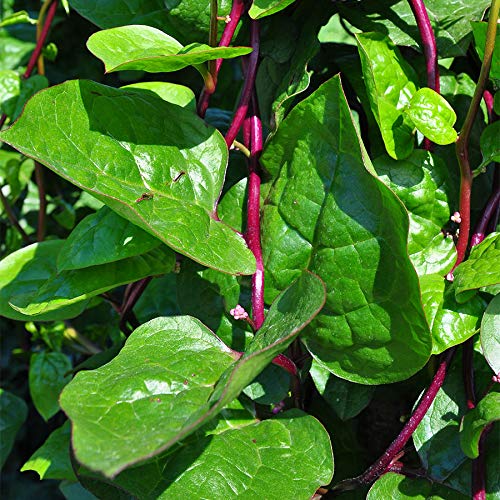
The thick, dark green leaves of this edible ornamental provide tasty greens throughout the summer, when traditional spinach will not grow.
Fall Container Trios: Ornamental Cabbage With Mums and Pansies

While trailing companions soften container edges, a tighter grouping of three classic fall bloomers packs concentrated color into the same pot and carries the garden right through November frosts.
I plant ornamental cabbage or kale alongside mums and pansies at 12–15 inches spacing in well-draining potting mix, timing the trio 6–10 weeks before frost so cooler temperatures trigger those vivid purples.
Position your fall container in full sun, keep soil evenly moist, and layer heights—tall cabbage center, mounding mums mid-tier, low pansies edging out front—for architectural contrast that holds color into December.
Using Ornamental Cabbage as the Centerpiece in Mixed Planters

A single ornamental cabbage commands attention like few other cool-season plants, anchoring a mixed planter with its bold, sculptural rosette while companion textures frame and amplify that layered center.
I position my ornamental kale centrally, keeping its colorful crown fully exposed, then layer in supporting players that enhance purple pigments without competing for visual dominance. This container centerpiece strategy transforms ordinary arrangements into living art.
Four steps to stage your focal cabbage:
- Select a 10–12-inch rosette and plant it at grade so every frilly layer shows.
- Ring with companion plants—pansies, chard, sedums—spaced 4–6 inches out.
- Use a 12–14-inch container with rich, well-drained soil.
- Feed monthly and water consistently to sustain firm, compact foliage.
Front Walkway Displays With Alternating Cabbage Colors

Where containers offer vertical drama, front walkways demand horizontal rhythm, and ornamental cabbage delivers that repeating pattern when you alternate contrasting rosettes down the entire length of your path.
I space plant transplants 12–15 inches apart, positioning deep purple centers beside lime-green or white-centered ornamental kale to create high-impact edging that reads clearly from every angle.
Timing matters: I set transplants 6–10 weeks before frost so colors intensify below 50°F, burying stems until the lowest leaves sit flush with soil for tidy, sculptural borders that transform your front walkway into a living gallery.
Ornamental Cabbage in Winter Borders for Frost-Proof Color

Because ornamental cabbage reaches its visual peak exactly when most borders turn brown and lifeless, I’ve learned to plant these Brassica oleracea cultivars as the backbone of my late-season color strategy, spacing transplants 12–15 inches apart in sunny, well-drained beds six to ten weeks before first frost.
Once nighttime temperatures dip below 50°F, purple pigments intensify, transforming winter borders into frost-tolerant showcases that survive down to 5°F.
I pair ornamental kale with:
- Low evergreen sedums for textural contrast
- Ornamental grasses that catch frost crystals
- Late-blooming asters in violet tones
- Mulched paths that frame purple rosettes
Transitioning Your Garden to Fall With Ornamental Cabbage

When late-summer heat begins to wane and I’m ready to refresh tired beds, ornamental cabbage and kale become my go-to intermediary plants, bridging the gap between summer’s bright annuals and the muted tones of full winter.
I sow seeds 6–10 weeks before frost, spacing transplants 12–15 inches apart in sunny, fertile soil so their purple, white, and pink rosettes can develop properly.
Plant massings create bold impact as temperatures drop below 50°F, and these frost-tolerant performers intensify in color after each chill, transforming ordinary fall gardens into sculptural displays that rival any succulent arrangement.
Frequently Asked Questions
Does Ornamental Cabbage Come Back Every Year?
No, ornamental cabbage won’t return as that stunning rosette you planted. It’s biennial—blooming once, then fading like a shooting star. I recommend replanting each fall to keep your garden’s sculptural drama alive.
Why Is Purple Cabbage Purple?
Purple cabbage gets its color from anthocyanin pigments that accumulate when cold temperatures slow chlorophyll production. I’ve found these pigments intensify beautifully after frost, creating those stunning purple-and-green contrasts you’re seeing.
Can You Eat Purple Ornamental Cabbage?
You *can* eat it—like tasting beauty itself—but I’d avoid it unless you grew it pesticide-free. The bitterness and tough texture make ornamental cabbage better suited for your eyes than your plate.
Why Is My Cabbage Plant Turning Purple?
Your cabbage is turning purple because cold temperatures below 50°F trigger anthocyanin pigments while suppressing chlorophyll. This natural response intensifies after frost, creating those stunning purple hues that make ornamental varieties so visually striking in winter gardens.


