


Midcentury Modern architecture tells a story about a nation dreaming bigger after war. Born between 1945 and the mid‑1970s, it stripped away ornament, opened walls to light, and let nature inside through glass and stone. Clean lines, honest materials, and open floor plans defined homes built for real family life. Understanding what shaped this movement, and why it still commands premium prices today, changes how anyone sees these remarkable structures.
Key Takeaways
- Midcentury modern architecture describes homes built between 1945 and the mid-1970s, rooted in Frank Lloyd Wright’s Prairie School philosophy.
- Its defining features include low-pitched roofs, open floor plans, large glass walls, and natural materials like exposed wood and stone.
- The style deliberately rejected historical revival designs, favoring clean lines, honest materials, and layouts reflecting how families actually lived.
- Popularized again through media like Mad Men, millennials embraced its historic value and cultural distinctiveness by the 1990s.
- Today, original homes require costly specialized maintenance, while new midcentury-inspired construction commands premium pricing nationwide.
What “Midcentury Modern” Actually Means and Where It Came From?

Midcentury Modern is a term that describes a distinct style of home design and architecture built between the end of World War II in 1945 and the mid-1970s, a period that reshaped how Americans thought about living spaces, comfort, and the relationship between a home and its natural surroundings.
Returning soldiers needed housing quickly, and innovative developers like Joseph Eichler responded by building thousands of thoughtfully designed, affordable homes across California.
Rooted in Frank Lloyd Wright‘s forward-thinking Prairie School philosophy, and energized by Space Age optimism, this movement rejected outdated historical styles, embracing instead a bold, future-focused vision of everyday living. Today, homeowners who appreciate this aesthetic often extend its clean lines and intentional design into every corner of the home, including in-law suite décor that reflects the season with purposeful, curated touches.
Shop This Look
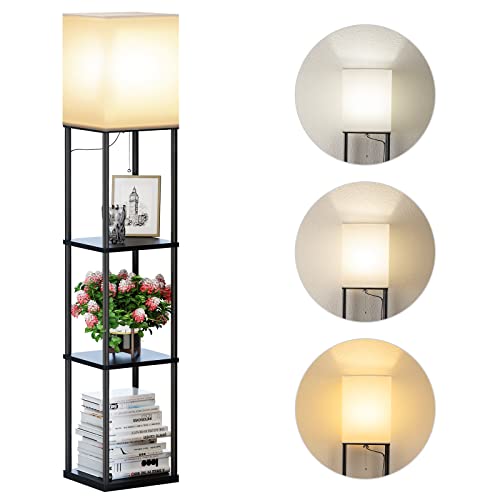
3-Color Temperature Adjustable Floor Lamp: The SUNMORY shelf lamp is equipped with a 9W 800-lumen LED bulb and offers 3 color temperatures: 3000K / 5000K / 4000K; color temperature of the LED lamp can be switched according to different scenarios; making it suitable for various home decor styles; the floor lamp for living room, when paired with a smart plug, is compatible with Alexa, Google Home Assistant, and Apple HomeKit.
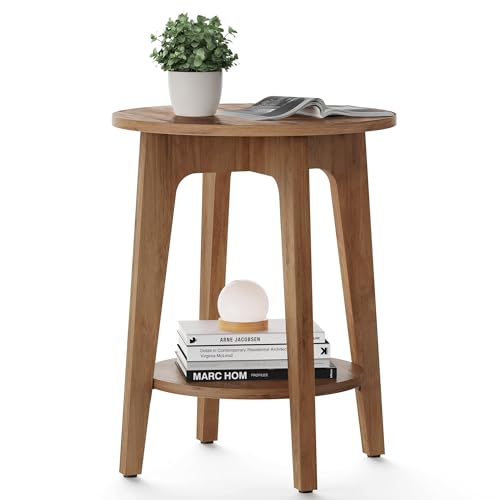
Style Reigns: Discover the MAEZO Collection—a furniture line featuring streamlined designs, tapered legs, and smooth, curved transitions. Each piece adds a touch of mid-century modern flair to your home

【Awesome Addition to Home Decor】The bamboo and wood plant stand with simple texture and beautiful color could blend well with your furniture style. Put your favorite plants in the corner more attractive, add character to our living room dining room bedroom office balcony and more.
The Design Features That Define Midcentury Modern Homes

What made these homes feel so different from everything built before them comes down to a set of bold, carefully considered design choices that still feel fresh and livable today.
Architects embraced low-pitched roofs with wide, overhanging eaves, open floor plans that encouraged movement and connection, and large glass walls that dissolved the boundary between inside and outside.
Natural materials like exposed wood beams, stone, and concrete gave each space warmth and texture.
Interior courtyards brought light and nature directly into the home, creating environments that felt grounded, purposeful, and genuinely designed around how people actually live.
The fireplace often served as a focal point in these spaces, and today winter mantel decor can honor that legacy by blending natural textures and clean lines with seasonal warmth.
Shop This Look

[Unique Exposed Moving Gears] Industrial decor inspired, when you put 3 AA batteries in, various exposed aged gold cog start rotating, definitely an eye-catching wall décor gears clock for your home, surely capture anyone's attention
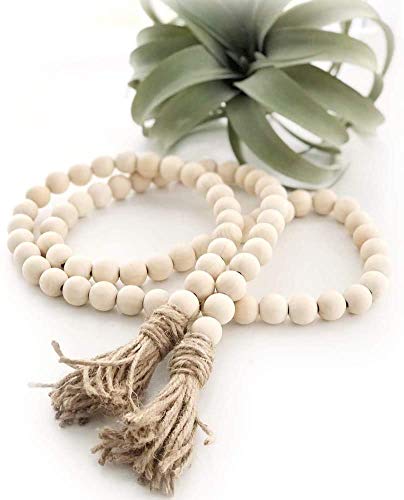
Bead garland with tassels is 60 inches,consists of 84 beads. bead diameter is 0.63 inches.

Note on Color and Size: As a ceramic product, each piece is handmade and fired at high temperatures which may result in variations in color and size. Therefore, each color set is unique, and slight differences in color should be expected. We appreciate your understanding and thank you for your support. The taller vase measures W 6.8" X H 11.1" with a neck opening of 1.2". The shorter vase measures W 5.9" X H 8.5" with a neck opening of 1.0"
Why the Style Rejected Every Historical Trend Before It

Before midcentury modern arrived, American homes spent decades looking backward, borrowing columns from ancient Greece, shutters from colonial farmhouses, and ornate details from European estates that most families had never even visited.
Midcentury architects made a deliberate, confident break from that tradition, choosing forward-facing design over inherited nostalgia. They rejected Colonial Revival styles and decorative excess, replacing them with clean lines, honest materials, and layouts built around how families actually lived.
The goal was purposeful innovation, not decoration for its own sake, creating homes that felt genuinely new, relevant, and optimistic about the future waiting just outside every glass wall. That same spirit of intentional, uncluttered design continues to influence how people style interior spaces today, including fall mantel decor that favors natural textures and simple arrangements over fussy ornamentation.
How Midcentury Modern Went From Dated to Desirable Again

For a style once dismissed as outdated and ordinary, midcentury modern‘s comeback is one of the more remarkable turnarounds in American design history.
By the 1990s, nostalgia began pulling the aesthetic back into conversation, and shows like *Mad Men* later introduced younger audiences to its confident, forward-looking energy. Millennials, raised near these homes, eventually recognized their historic value and cultural distinctiveness. Museums, retail catalogs, and popular culture kept the imagery alive and relevant.
Today, demand for both renovated originals and newly constructed midcentury-inspired homes continues growing nationwide, proving that thoughtful, nature-connected design never truly loses its ability to resonate. Enthusiasts looking to embrace the aesthetic at home can explore midcentury modern products that celebrate the era’s iconic forms, materials, and sensibility.
Shop This Look
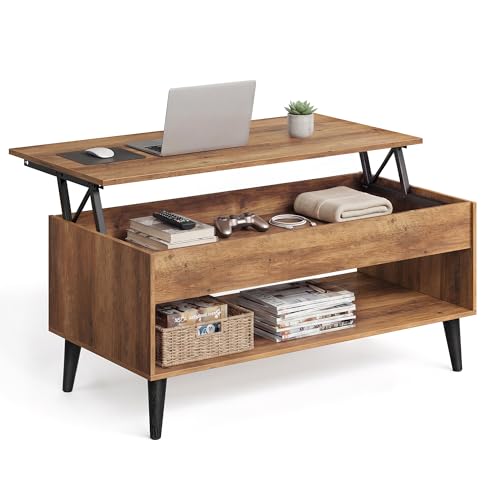
Versatile Mid-Century Charm: The refined finish and crisp lines give this center table a mid‑century modern vibe that fits beautifully in apartments, dorms, and other small spaces

Modern Fluted Design: Featuring a soft round silhouette with dimensional fluted detailing, this round coffee table delivers a clean yet visually layered look. The natural wood-grain finish adds warmth and texture while remaining practical for everyday living. Its versatile style blends seamlessly into living rooms, home offices, apartments, and smaller spaces.
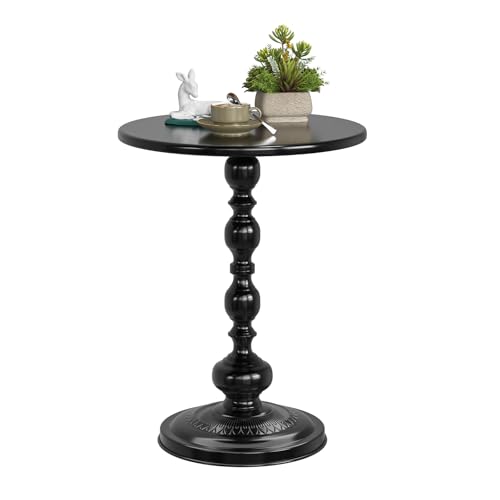
Ideal Dimensions: This modern side table measures 13.75 inches in diameter and stands 21 inches tall, weighing a mere 4.6 pounds for lightweight portability. Its compact design allows for easy movement, while the sturdy base provides excellent stability and load-bearing capacity
What It Really Costs to Buy or Restore One of These Homes?

Owning a midcentury modern home carries real costs that stretch well beyond the purchase price, and understanding those numbers helps buyers and renovators make smarter, more confident decisions.
Aging systems, original roofing, and distinctive materials like exposed beams or large glass panels often require specialized, costly repairs. Renovation demand has grown markedly, pushing contractor prices higher in markets where original homes remain. New construction inspired by the style commands premium pricing nationwide.
However, buyers who research carefully, budget honestly, and work with experienced professionals can protect their investment while honoring the thoughtful, forward-looking design that makes these homes genuinely extraordinary. Homeowners restoring these properties should also consider how interior spaces like sunrooms benefit from cozy winter decor upgrades that complement the home’s clean lines and expansive glazing.
Shop This Look

{Upgraded! Floor Lamp Included LED Bulb} Modern floor lamps include a 9W LED bulb with 3 adjustable color temperatures: 3000K/4000K/5000K. You can easily adjust to your favorite light tone to create ideal atmosphere, suitable for reading, working, relaxing, dining and various daily scenes. Featuring linen lampshade and black lamp pole, it matches contemporary, retro, mid century and industrial styles perfectly.

🩰 -【Mid century Modern Design】Accent chair feature ergonomic design and retro modern stylish look. Comfy chair is ideal for dining room, living room, kitchen, bedroom, waiting room, guest room, etc.

【Package Included】You will receive 1 pack of medium size wooden plant stand in total, which can meet your different needs for various sizes flower pot, potted plants and other decorations.
Frequently Asked Questions
Which Famous Architects Were Most Influential in Shaping Midcentury Modern Design?
Frank Lloyd Wright’s Prairie School coincidentally echoed Space Age optimism, shaping Midcentury Modern’s DNA. Joseph Eichler translated these forward-thinking principles into 11,000+ innovative, nature-integrated California homes for middle-class families.
Are Midcentury Modern Homes Considered Environmentally Sustainable by Today’s Standards?
Midcentury modern homes offer partial sustainability through natural material use and indoor-outdoor integration, yet their aging infrastructure, energy-inefficient glass expanses, and outdated systems often require costly modern retrofits to meet today’s evolving environmental innovation standards.
How Do Midcentury Modern Homes Typically Perform in Extreme Weather Conditions?
Ironically, homes celebrated for blending indoors with outdoors struggle when nature turns hostile. Their expansive glass walls, minimal insulation, and low-pitched roofs create vulnerabilities against extreme heat, cold, and severe storms that modern construction standards now address.
What Interior Furniture Styles Best Complement Original Midcentury Modern Architecture?
Furniture with clean lines, organic forms, and natural materials—think Eames chairs, tulip tables, and teak sideboards—harmonizes seamlessly with original midcentury architecture, amplifying its forward-thinking aesthetic while preserving the timeless dialogue between function and sculptural beauty.
Are There Specific Zoning or Legal Protections for Historic Midcentury Modern Properties?
Protecting over 11,000 Eichler-built homes, some municipalities offer historic landmark designations for midcentury modern properties. Local preservation ordinances, state historic registers, and National Register listings provide legal safeguards, though coverage varies markedly by region.
Conclusion
Midcentury modern architecture endures because good design never truly goes out of style. These homes, with their clean lines, honest materials, and seamless indoor-outdoor connection, offer something timeless in a world of constant change. Restoring or owning one demands real investment, patience, and thoughtful care, but the reward is a living space rooted in clarity and purpose. For those willing to commit, midcentury modern remains one of architecture’s most meaningful and enduring achievements.


