


While tiles have long dominated bathroom walls, you’re no longer limited to this traditional choice. Today’s market offers numerous alternatives that combine style, functionality, and easier installation. From specialty waterproof paints like Benjamin Moore’s Aura Bath & Spa to sleek acrylic panels that eliminate grout lines, your options extend well beyond ceramic squares. “The move away from conventional tiling reflects homeowners’ desire for personalization and maintenance simplicity,” notes interior designer Melissa Harper. These modern alternatives promise to transform your bathroom walls while addressing common tile complaints—but which option truly delivers the best balance of durability and design appeal?
Key Takeaways
- Waterproof paint with mildew-inhibiting properties offers a seamless finish while protecting against humidity and moisture damage.
- Acrylic and PVC panels provide a quick-install alternative that mimics tile patterns without grout lines or maintenance issues.
- Treated wood or bamboo creates a warm, natural aesthetic when properly sealed with waterproof varnishes.
- Glass or stainless steel panels deliver a contemporary look with excellent water resistance and easy cleaning.
- Stone resin combines natural appearance with practicality, offering the look of marble or granite without extensive maintenance.
The Appeal of Waterproof Paint and Vinyl Wall Coverings
While traditional ceramic tiles have long dominated bathroom walls, waterproof paint and vinyl wall coverings offer invigorating alternatives that combine practicality with style.
You’ll find specialty bathroom paints infused with mildew-inhibiting properties, available in semi-gloss or high-gloss finishes that wipe clean with minimal effort. These formulations are specifically designed to withstand the high humidity levels in your bathroom, dramatically reducing the risk of moisture damage over time.
For a more textured approach, vinyl wall coverings provide remarkable moisture resistance without the grout lines that often plague tile installations.
When selecting vinyl options, you’ll want to focus exclusively on products specifically labeled for wet environments to guarantee durability. Additionally, using eco-friendly paint can enhance indoor air quality while ensuring your bathroom remains stylish and sustainable.
Remember that proper wall preparation serves as the foundation for success with both materials—thoroughly clean and prime your surfaces, creating the smooth canvas needed for these tile alternatives to truly shine in your bathroom space.
Modern Acrylic and PVC Panels for a Seamless Look

For homeowners seeking a dramatic update without the tedious maintenance of tile, modern acrylic and PVC panels represent the cutting edge of bathroom wall solutions, offering sleek, continuous surfaces that transform spaces instantly. You’ll find these panels remarkably durable and practical, with acrylic wall panels reinforced by fiberglass to provide scratch resistance and waterproof integrity that prevents mold growth in your steamy bathroom environment.
| Feature | Acrylic Panels | PVC Panels |
|---|---|---|
| Appearance | High-gloss, seamless | Tile-like, various patterns |
| Installation | Adhesive mounting | Click-lock or adhesive |
| Maintenance | Wipe-clean surface | Soap and water only |
PVC panels deliver an economical alternative that mimics traditional tiles without the headache of grout lines. Both options install quickly with suitable adhesive, wrapping smoothly around corners for a polished finish. You’ll appreciate how these lightweight materials simplify your renovation while delivering professional results that stand up to daily use.
Shop This Look

Keep Jewelry Organized: Necklace holder keeps everything in order, saves space. Keep your desk clean, prevent jewelry from getting tangled and lost. Makes my daily routine much smoother.

[Lighted Mirror Inside, Super Handy] The LED lights illuminate the area surrounding the interior mirror when you open the door of the jewelry cabinet, making a light-up vanity for you to apply your makeup and put on jewelry with ease

6 LAYERS-large capacity and beautifully designed to display on your bedroom dresser or vanity
Natural Elements: Wood, Bamboo, and Stone Alternatives

Natural elements bring an organic warmth to bathroom spaces that manufactured panels simply can’t replicate, offering tactile surfaces that create a spa-like retreat in your home. Treated wood, while unconventional for bathrooms, delivers stunning results when properly protected with oil-based primers and waterproof varnishes that prevent warping in high-moisture environments. For a similar aesthetic with enhanced durability, bamboo provides a sustainable alternative that naturally resists water damage better than traditional wood options. Natural stone materials like marble and granite offer timeless elegance with inherent mold resistance, though they’ll require regular sealing to maintain their pristine appearance. If you’re concerned about maintenance, consider stone resin—a non-porous composite that combines stone dust with acrylic resin for exceptional moisture resistance without the upkeep of natural materials. Even exposed brick can transform your bathroom into an industrial-chic sanctuary when properly sealed against moisture, creating a textural focal point that stands apart from conventional tile installations. Additionally, incorporating organic materials can elevate the overall aesthetic and functionality of your bathroom space.
Shop This Look

HIGH PONYTAIL OPENING - Keep your hair up with our high ponytail cap. Perfect for active women who value style and function. This ponytail hat is a must-have for those who love to stay active.
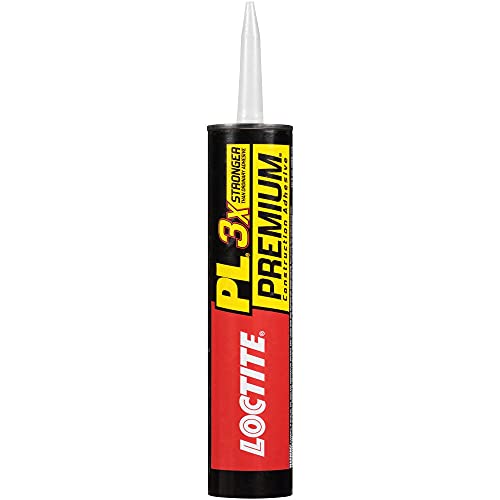
All Purpose: One component polyurethane-based adhesive that covers a wide variety of projects and bonds to most materials for consistently successful results

Modern and Elegant Design - The wood slat wall panels have been carefully designed to effortlessly transform any space, enhancing the surroundings both visually and acoustically. The wood panels help to create an environment that is not only quiet but beautifully contemporary, soothing and relaxing. Furthermore, our slat wall panels can be installed horizontally or vertically and cut to any shape allowing for creativity and a unique look to fit your aesthetics.
Luxury Options: Glass, Stainless Steel, and Marble Finishes

Luxury bathroom finishes elevate your space from merely functional to extraordinarily elegant, creating a personal sanctuary that rivals high-end spas and boutique hotels.
You’ll find glass panels particularly versatile, offering customization through frosted or tinted variations that enhance spatial perception while eliminating those mold-prone grout lines that plague traditional tile installations. They’re remarkably easy to clean, requiring just a quick wipe with glass cleaner to maintain their pristine appearance.
For an industrial-chic aesthetic, stainless steel delivers unparalleled durability and corrosion resistance, making it ideal for shower surrounds and feature walls where moisture is constant.
Meanwhile, marble finishes bring timeless sophistication through their unique veining patterns and luxurious feel, though they do require periodic resealing to prevent staining. Incorporating natural stone countertops can further enhance the luxurious ambiance of your bathroom.
While these premium materials often demand professional installation and higher initial investment, their striking visual impact and longevity make them worthwhile considerations for your bathroom renovation.
Shop This Look

Lighted Mirror Inside, Super Handy: The LED lights illuminate the area surrounding the interior mirror when you open the door of the jewelry cabinet, making a light-up vanity for you to apply your makeup and put on jewelry with ease
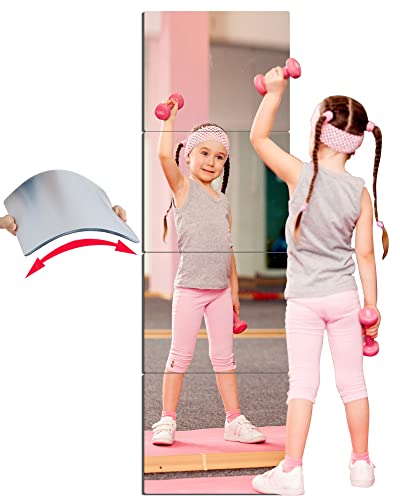
(Shatterproof mirror): Kid safe mirror is made of luxurious super thick acrylic (plexiglass plastic),Unbreakable mirror,Plexiglass soft mirror wall sticker is Non-Glass mirror,Can be bendable,with rounded corner treatment,Your children and pets can play in the mood,suit unbreakable mirror for kids and toddler mirror.

2 IN 1 COSMETIC JEWELRY CABINET: This GISSAR jewelry cabinet is made of quality solid MDF, suitable for long-term use. The full-length mirror offers a head-to-toe view of your outfit, large storage capacity to help you easily choose the right jewelry and cosmetics, with lock and key safely storage
Budget-Friendly Solutions That Mimic High-End Materials

Achieving a high-end bathroom aesthetic doesn’t necessarily require emptying your wallet, thanks to numerous innovative materials that cleverly replicate luxury finishes at a fraction of the cost.
Acrylic and PVC bathroom wall panels stand out as particularly savvy investments, offering the look of premium marble or ceramic without the associated price tag or complicated installation process.
You’ll find that moisture-resistant paints can transform your space dramatically, allowing for bold color choices or creative designs that tiles simply can’t match.
Similarly, beadboard and wainscoting provide character and charm while being remarkably cost-effective alternatives to bathroom tiles.
For those seeking texture, consider modern plastering techniques that embrace the wabi-sabi aesthetic, celebrating natural imperfections while creating depth.
Stone resin panels deliver the sophisticated appearance of natural stone without the maintenance headaches, giving you a durable, waterproof solution that stands up to daily shower steam while maintaining its elegant finish. Additionally, microcement offers a waterproof and durable surface that can be applied to walls, providing a seamless look that enhances the overall aesthetic of your bathroom.
Shop This Look

Size: 1/24" x 1/2" x 10' [1mm (Thickness) x 1.3cm (Width) x 3m (Length)]; Total Quantity: 1

Strong and Durable: Our bathroom suction hooks are made of user-friendly silica gel and clear durable plastic. Different from other products, our shower hooks can hold a maximum load of 3 kilograms.

(Acrylic Material) : The mirror is made of acrylic material;Eco-friendly plexiglass mirror. shatterproof, it is a great alternative to a real mirror tiles that can break . even if it falls on the ground, it can be used safely, kids and toddler can touch it at close range.
Frequently Asked Questions
What Is a Good Alternative to Tile in a Bathroom?
You’ll find several excellent tile alternatives for your bathroom walls.
Acrylic panels provide a sleek, watertight finish that’s reinforced with glass fiber, making them durable and mold-resistant.
PVC panels offer a budget-friendly option that mimics tile without grout hassles.
For a touch of elegance, consider natural stone like marble, or try waterproof paint for a quick update.
Beadboard wainscoting adds character while being relatively simple to install yourself.
What Is the Cheapest Way to Finish Bathroom Walls?
The cheapest way to finish bathroom walls is with moisture-resistant paint, costing just $15-$30 per gallon.
You’ll save considerably compared to tile installation while still protecting against humidity.
PVC panels offer another budget-friendly option at $1-$3 per square foot, giving you a tile-like appearance without the hassle of grout.
For a charming yet affordable look, consider beadboard wainscoting ($2-$5 per square foot), which adds character while remaining waterproof enough for bathroom use.
How to Waterproof Bathroom Walls Without Tiles?
Like a shield against moisture’s silent invasion, waterproofing bathroom walls without tiles is simple with several options.
You’ll find success using acrylic or PVC panels that snap together easily over existing surfaces, creating a seamless barrier against water.
Alternatively, apply specialized waterproof paint designed for bathrooms, or install stone resin panels that offer a non-porous, grout-free surface.
For a modern look, consider waterproof vinyl wallpaper or solid surface materials that repel moisture while adding style.
What Is the Best Material to Put on Bathroom Walls?
The best bathroom wall material depends on your priorities.
Acrylic panels offer exceptional water resistance and a sleek appearance, while natural stone provides timeless luxury with proper sealing.
You’ll find waterproof PVC panels budget-friendly and easy to install yourself, making them popular for DIY renovations.
For modern aesthetics with minimal maintenance, consider stone resin panels which, according to bathroom designers, create a seamless look that won’t collect mold in grout lines.
Conclusion
You’ll never be trapped in the tile-or-nothing mindset again! Your bathroom walls can absolutely transform with waterproof specialty paints that repel moisture like a force field, or ultra-modern PVC panels that install in mere hours. Whether you’re craving the warm embrace of treated bamboo or the jaw-dropping luxury of back-painted glass, today’s alternatives deliver staggering performance while slashing both installation time and long-term maintenance headaches.


