


You’re wasting valuable real estate beneath your stairs—space that could transform into a surprisingly functional pantry tailored to your home’s layout. By strategically combining adjustable shelving, pull-out drawers, and smart lighting, you’ll release storage capacity you didn’t know existed. The challenge isn’t space itself; it’s understanding how to maximize every awkward angle and shadowed corner effectively.
Key Takeaways
- Maximize vertical space with tall, narrow cabinets and floor-to-ceiling shelving adapted to sloped ceilings.
- Install adjustable, tiered shelving at varying heights to accommodate different container sizes efficiently.
- Use pull-out drawer systems and door storage to improve accessibility without consuming floor space.
- Organize items by frequency, placing daily essentials at eye level and occasional items higher.
- Implement clear labeling with purchase dates and expiration information to prevent food waste efficiently.
Plan Your Space: Measure and Map the Under-Stairs Area

Before you start installing shelves or ordering custom storage solutions, you’ll need to get precise measurements of your under-stairs area—because even small miscalculations can waste valuable space or leave you with components that don’t fit. Grab a measuring tape, notebook, and camera to document the dimensions.
Measure the height, width, and depth at multiple points, noting where the ceiling slopes. Don’t forget measuring angles where walls meet the staircase, as these irregular spaces often determine your storage capacity. Create a simple sketch or take photos from different perspectives.
Next, consider space zoning by dividing your under-stairs area into distinct sections: shallow shelving near the front, deeper storage toward the back. This strategic approach maximizes usability while accommodating your home’s unique architecture and your pantry needs effectively. For open shelving that maintains visual flow while organizing pantry items, floating wood shelves offer a streamlined solution that works especially well in tighter spaces.
Start With Tiered Shelving to Maximize Vertical Storage

Install tiered shelving to transform your under-stairs area into an efficient pantry that captures every inch of vertical real estate.
By staggering shelves at varying heights, you’ll accommodate containers of different sizes without wasting precious space.
Consider tiered baskets, which nestle perfectly into awkward angles while keeping items organized and visible.
Staggered cubbies work wonderfully for grouping similar products—cereals together, baking supplies in another section, snacks positioned at eye level for easy access.
This strategic arrangement prevents you from forgetting items hiding in back corners.
Install adjustable shelving systems like Elfa or Rubbermaid configurations, allowing you to modify heights as your pantry needs evolve.
For those tricky corners where standard shelving won’t fit, industrial wall shelves offer sturdy, space-efficient solutions that complement the utilitarian nature of under-stair storage.
The result? A surprisingly functional storage solution that makes your small home feel considerably more spacious and organized.
Shop This Look

HEAVY-DUTY CONSTRUCTION: The Sakugi wire shelving unit is constructed with high-quality, heavy-duty metal tubes that are 0.9 inches in diameter, aiming to withstand significant weight. With a remarkable load-bearing capacity of up to 1,000 lbs in total, you can confidently store bulky items, heavy boxes, or equipment without worrying about bending or sagging.
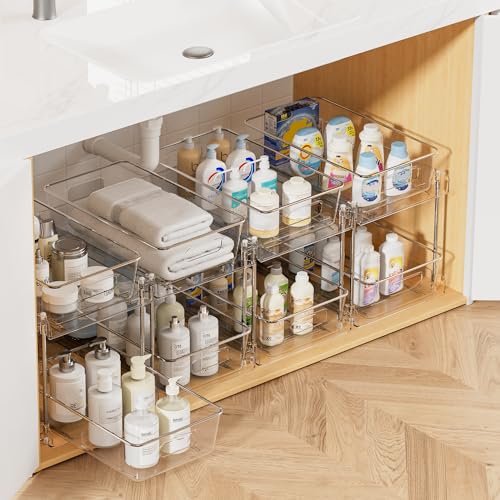
ESSENTIALS STORAGE PREFERRED: The multi-purpose organizer storage is a good helper to keep your vanity or bathroom countertop tidy. It can also be used as under sink organizer, kitchen organization, pantry organizer, refrigerator storage, cabinet storage. Perfect for storing cosmetics, toiletries, perfumes, cleaning supplies, snacks, bottles, spice jars.

PLANO PLASTIC STORAGE SHELVES: Organize your home, closet, garage, laundry room or office with Plano heavy-duty Shelving Units.
Install Pull-Out Drawers for Easy Access and Visibility

Transform your under-stairs pantry by incorporating pull-out drawer systems, which dramatically improve accessibility and visibility compared to stationary shelves. These innovative solutions, featuring smooth glide mechanisms and soft close technology, eliminate the frustration of reaching into dark corners or shuffling items around.
Pull-out drawers organize your pantry by category—grains, snacks, baking supplies—making inventory management straightforward. You’ll instantly spot what you need without removing everything else, saving time during meal preparation. Premium options like Hafele or Blum systems provide durability, though budget-friendly alternatives work equally well for smaller spaces.
The soft close feature prevents slamming, protecting your stored items and reducing noise. Installing these drawers transforms your under-stairs space into a functional, efficient storage solution. Maximize organization further by pairing your pull-out system with pantry storage containers that keep dry goods fresh and create a uniform, streamlined appearance. Your family will appreciate the improved organization and accessibility.
Shop This Look

[Multi-Purpose Organizers] Small storage drawers help you to organize everywhere in your home. They can be used as organizers and storage for makeup, bathroom countertop, kitchen or laundry under sink, medicine cabinet, pantry, vanity. You can flexibly use our storage organizer for house organization and storage according to your needs.

[Stackable Design] Come with 5 storage drawers, included 12.1" W and 4.4''H&7.6‘’H storage containers. The storage containers are stackable, vertical storage will save a lot of space. Put your small objects in acrylic drawers to make your countertop space more tidy.

【Versatile & Stylish】The folding closet organizers are a comprehensive storage and categorization solution that is perfect for organizing your lightweight items like clothes, toys, files and more. With its stylish neutral design, it effortlessly fits into any home, bedroom, bathroom, kitchen, office or study area.
Add Adjustable Shelves to Fit Any Item Size

Adjustable shelving systems offer unmatched flexibility, allowing you to customize shelf height according to your specific storage needs. You’ll appreciate how modular brackets accommodate everything from tall cereal boxes to small spice jars, eliminating wasted vertical space.
Installing these systems transforms your under-stairs pantry into a genuinely organized hub. Pair adjustable shelves with adjustable lighting, which illuminates contents clearly and helps you locate items quickly during meal prep.
Steel or heavy-duty plastic brackets support substantial weight while remaining durable through years of use. You can rearrange configurations whenever your storage requirements shift, making this investment practical for evolving household needs.
Many homeowners find that quality modular brackets, like those from established brands, provide reliable performance without demanding constant adjustments. This adaptability guarantees your pantry grows alongside your family’s changing dietary preferences and shopping habits.
Consider installing solid wood wall shelves to add warmth and durability to your under-stairs pantry while maintaining the flexibility you need for diverse storage items.
Shop This Look
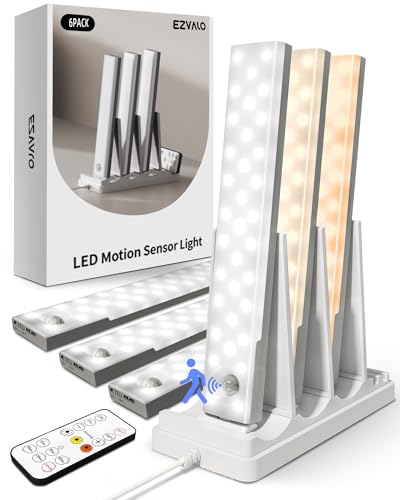
Three Modes for Every Need: The motion sensor light detects motion within 10 ft and a 120° field, automatically turning on and off after 20 seconds of no movement. [Night Motion Mode] activates in darkness or low light, perfect for late-night use—no more stumbling for the switch. [All-Day Motion Mode] works anytime motion is detected, ideal for dim areas where your main lights don't reach. [Always-On Mode] provides continuous illumination for long tasks and can also be used as a flashlight or during power outages and camping.

【Durable Material】Pegs for shelves made of high quality zinc alloy and polished nickel,good quality and durable for long using life,surface is smooth without metal burrs,can meet your daily shelving needs.

STORE MORE WITH EASE: Measuring 18.1"×12.4"×56.8", this 5-tier metal shelving unit offers ample vertical space for organizing household items without taking up much floor area. It comes with 6 side hooks for hanging towels, umbrellas, or tools, helping you keep everything neatly sorted and easily accessible.
Use Clear Containers to See Inventory at a Glance

While adjustable shelves provide the framework for organization, clear containers transform that framework into a genuinely functional system you can actually use every day. You’ll immediately spot what you need without rummaging through opaque boxes, saving time during meal prep.
Clear jars work exceptionally well for dry goods like pasta, rice, and cereals, while inventory baskets keep smaller items grouped logically on shelves. Label everything with waterproof markers or printed tags, noting contents and expiration dates. This visibility prevents duplicate purchases and food waste.
Stackable, uniform containers create visual cohesion throughout your under-stairs pantry, making the space feel intentionally designed rather than haphazardly stuffed. For items that need refrigeration after opening, consider investing in a glass food storage set to maintain the same visual consistency and easy visibility across your entire food organization system. You’re fundamentally creating a mini-supermarket where every product’s location is instantly recognizable, transforming storage anxiety into confident, efficient organization.
Organize by Food Category and Use Frequency

Because you’ll naturally reach for certain ingredients multiple times weekly, positioning them at eye level and toward the front of your under-stairs pantry saves considerable time and effort.
Group similar items together—cereals, pasta, baking supplies—creating distinct snack zones that streamline meal rotation and cooking prep.
Store frequently used oils, spices, and condiments in accessible spots, reserving higher shelves for occasional items like specialty flours or holiday decorations.
Designer spice racks mounted on the inside of pantry doors or along narrow wall sections help keep your most-used seasonings visible and within easy reach.
Lower areas work well for heavier bulk goods and backup supplies.
This strategic arrangement reduces search time, prevents duplicate purchases, and maximizes your compact space’s functionality.
Consider labeling shelves by category, helping family members maintain organization.
Rotating stock regularly guarantees fresher ingredients and prevents waste, ultimately making your under-stairs pantry feel surprisingly efficient despite its unconventional shape.
Install LED Lighting to Brighten Dark Corners

Poor lighting turns even the most organized under-stairs pantry into a frustrating search mission, but strategic LED installation transforms those shadowy spaces into functional storage areas you’ll actually enjoy using.
LED strips along shelves illuminate every item, eliminating guesswork when grabbing ingredients.
Install corner uplights to banish those awkward shadowed zones where cans and containers disappear from view.
Opt for warm white LEDs (2700K-3000K color temperature) that won’t distort food colors or create harsh shadows.
Battery-operated options like Philips Hue or LIFX provide flexible placement without rewiring hassles.
Motion-activated models conserve energy while ensuring instant visibility.
Position lights at varying heights—overhead strips combined with shelf-mounted uplights create layered illumination that reaches previously dark corners, transforming your under-stairs pantry into an organized, accessible space.
Smart LED strip lights offer customizable brightness and color settings that you can control remotely to match your specific pantry needs.
Paint Interior Walls Light to Expand the Visual Space

Light wall colors act as visual expanders, making tight under-stairs spaces feel airier and more inviting than their actual square footage allows. You’ll want to choose bright neutrals like soft whites, warm creams, or pale grays that reflect light throughout your pantry. A satin finish works particularly well because it provides subtle sheen without overwhelming gloss, creating depth while remaining practical for cleaning.
Sherwin-Williams Alabaster or Benjamin Moore Cloud White deliver excellent coverage and durability in compact spaces. The reflective quality of these finishes bounces ambient light from your LED fixtures across surfaces, effectively multiplying perceived spaciousness. You’re not just painting walls—you’re strategically manipulating how light behaves in confined quarters.
Consider complementing your newly brightened space with premium curtain panels if your under-stairs pantry has any small window openings or doorway access points that could benefit from light-filtering fabric treatments.
This simple technique transforms cramped under-stair areas into functional storage zones that feel surprisingly generous and welcoming.
Choose Tall, Narrow Cabinets for Sloped Ceilings

While light paint colors create the visual foundation for your under-stairs pantry, the actual storage solutions you install must work within the unique architectural constraints of sloped ceilings.
You’ll want to prioritize tall, narrow cabinets that maximize floor to ceiling space without fighting your home’s angled layout. Custom cabinetry featuring hidden hinges and angled storage compartments adapts perfectly to these challenging dimensions. Installing crown molding around cabinet tops disguises gaps created by ceiling slopes while maintaining a polished appearance.
Opt for vertical shelving units rather than deep, traditional cabinets that waste valuable space. This approach, recommended by professional organizers, guarantees you’re using every inch efficiently while keeping your under-stairs pantry feeling intentionally designed rather than cramped or awkward. For finished storage that complements your home’s aesthetic, consider incorporating a solid wood TV console repurposed as a base unit to anchor your under-stairs organization system.
Shop This Look
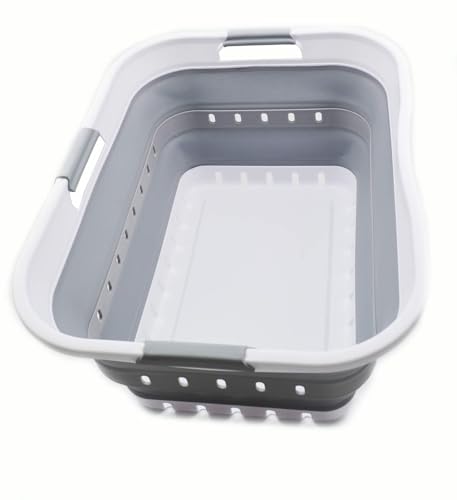
PATENT CERTIFICATIONS: US 9,926,105 B2; DE 20 2014 101 047 U1; ZL 2014 1 0386688.1

Sturdy & Safe Foldable Step Stool : Our folding step stool is handy to have around for all sorts of occasions. Compact at 13"H×14"L×11"W when opened and 17.5"H ×13"L×1.2"W when folded, this durable and strong plastic step stool can support up to 300lbs. It is lightweight and versatile, and can be used both outdoors and indoors in the kitchen, bathroom or office
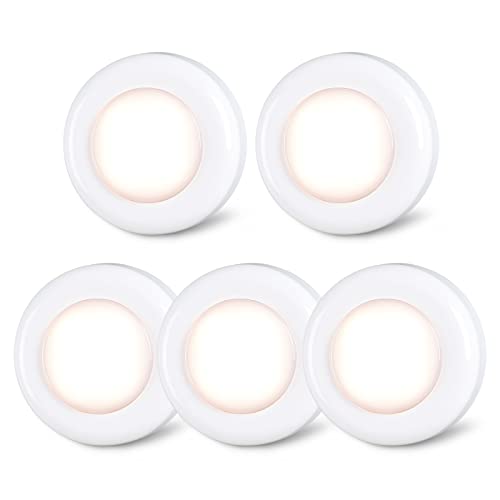
Press Control, Easy Operation: Just press the center lens of the LED push light to turn it on and emit soft light. Press it again to turn off the light. Very suitable for the elderly and children, even some pets can use it easily
Add a Pocket Door to Block Dust and Odors

Closing off your under-stairs pantry with a pocket door brings considerable practical benefits, sealing in food odors while keeping dust and debris from settling on your stored items.
This sliding mechanism operates smoothly within the wall cavity, maximizing your usable floor space compared to traditional swing doors that require clearance.
You’ll notice immediate scent control improvements, as the door contains cooking smells and prevents them from permeating adjacent living areas.
Quality pocket door hardware, like Johnson Hardware or Hafele systems, guarantees reliable performance over years of daily use.
Installation does require framing expertise, but the payoff justifies the investment—your pantry stays cleaner, fresher, and more organized while maintaining your home’s overall aesthetic and functionality.
For a rustic touch that complements the hidden nature of your under-stairs space, consider adding peel and stick wood panels to the interior walls for an easy, transformative upgrade.
Mount Spice Racks and Oil Bottles on the Door

Transform your under-stairs pantry door into valuable storage real estate by mounting spice racks, magnetic strips, and oil bottle organizers directly onto its surface. This strategic approach maximizes every inch of your compact space, allowing you to store frequently used items within arm’s reach.
Installing a spice organizer with tiered shelving keeps your seasonings visible and accessible, preventing duplicate purchases and kitchen clutter. For oils and vinegars, consider adhesive-backed bottle organizer systems that securely hold containers while preventing spills.
The door-mounted configuration works exceptionally well because it doesn’t consume interior shelf space. You’ll appreciate the convenience of grabbing ingredients during meal prep without rummaging through crowded cabinets.
This solution transforms underutilized vertical space into organized, functional storage that keeps your under-stairs pantry feeling surprisingly spacious and efficient.
Use Lazy Susans to Reach Hard-to-Access Corners

Lazy Susans work brilliantly in under-stairs pantries, spinning out to reveal items you’d otherwise struggle to reach in cramped corners. These rotating corner turntables maximize your storage potential by transforming previously wasted dead space into accessible, organized zones.
You’ll find that placing a quality lazy Susan—brands like Copco or Rubbermaid offer durable options—allows you to store canned goods, spices, and condiments efficiently without constantly reaching into shadowy recesses. The rotating mechanism lets you grab what you need without disturbing everything else, eliminating frustration during meal prep.
For hidden compartments, consider stacking smaller turntables at different heights, creating multiple accessible layers. This simple addition dramatically improves functionality while keeping frequently used items within arm’s reach, making your under-stairs pantry feel considerably more spacious and practical.
Install Wire Baskets for Bulk Items and Overflow

Wire baskets maximize your under-stairs storage by accommodating bulk purchases, seasonal overflow, and items that don’t fit neatly on shelves.
Floor mounted baskets, anchored securely to prevent shifting, offer excellent stability for heavier goods like canned vegetables, pasta boxes, and paper products.
Consider rotating baskets positioned on the stair risers, allowing you to access contents from multiple angles without awkward reaching.
These transparent or semi-transparent options let you quickly identify inventory without opening each basket.
Stack baskets vertically to capitalize on height, or arrange them horizontally across deeper sections.
Metal construction withstands moisture and weight better than plastic alternatives.
This organizational approach transforms wasted space into functional storage that accommodates overflow from your main kitchen pantry while maintaining accessibility and visual order throughout your under-stairs area.
Add Magnetic Strips to Hang Metal Containers

By mounting magnetic strips along your under-stairs pantry walls, you’ll reveal vertical storage that keeps frequently used metal containers within arm’s reach while freeing up valuable shelf and basket space below.
This system works particularly well for spice tins, tea containers, and small metal canisters that you access regularly.
Consider organizing your magnetic herb garden by labeling each container with coordinating text or symbols for quick identification.
Container color coding—perhaps grouping warm tones together and cool tones separately—creates visual order while maintaining functionality.
Stainless steel and powder-coated metal containers stick securely to industrial-grade magnetic strips, offering durability without slipping.
This approach maximizes your under-stairs real estate efficiently, transforming dead wall space into an organized, accessible storage solution that feels intentionally designed rather than cramped.
Use Vacuum-Sealed Bags to Maximize Space for Seasonal Items

While magnetic strips optimize your vertical wall space for daily-use containers, vacuum-sealed bags tackle a different storage challenge entirely—they’re your secret weapon for seasonal items that you’ll need later but don’t access right now.
These space-saving solutions compress bulk items like holiday decorations, winter clothing, or specialty baking supplies down to fraction-sized packages. You’ll appreciate how vacuum-sealed bags protect contents from dust, moisture, and pests during seasonal rotation periods. FoodSaver and Ziploc brands offer reliable options that maintain seal integrity over months.
Stack these flattened bags horizontally on under-stairs shelves, maximizing every cubic inch. The fabric protection these bags provide prevents deterioration, ensuring your seasonal items stay fresh and ready. This strategic approach transforms underutilized pantry space into efficient storage that accommodates year-round needs.
Set Up a Small Rolling Cart for Extra Dry Goods

Introducing a rolling cart into your under-stairs pantry transforms how you access and organize bulk dry goods, offering mobility that fixed shelving simply can’t match.
A compact pantrycart, typically measuring 24-30 inches wide, slides effortlessly in tight spaces, delivering convenient access to frequently used items. You’ll appreciate how a portable spicecart works double duty, holding everything from rice and pasta to baking supplies and snacks.
The wheels allow you to pull items forward when restocking, eliminating the frustration of reaching deep into shadowy corners. Choose carts with multiple tiers, sturdy construction, and lockable wheels for stability.
This smart organizational solution maximizes your under-stairs real estate while keeping dry goods at arm’s reach, making meal prep and pantry maintenance genuinely efficient and remarkably straightforward.
Hang Hooks Inside the Door for Aprons and Shopping Bags

Make the most of your under-stairs pantry‘s interior door space by installing sturdy hooks that keep daily essentials within immediate reach. Adhesive fabric hooks work wonderfully for lightweight items, eliminating the need for drilling into your door surface.
Consider mounting several hooks at varying heights to accommodate aprons, reusable shopping bags, and kitchen towels efficiently. Door baskets provide additional storage for frequently used items like shopping lists, coupons, or small kitchen gadgets.
This vertical storage solution transforms wasted door space into functional organization, maximizing your pantry’s capacity without requiring floor space. The beauty of this approach lies in its simplicity and accessibility—you’ll grab what you need quickly during cooking and errands.
Professional organizers recommend this strategy because it keeps essentials visible and within arm’s reach, improving your kitchen’s workflow markedly.
Use Vertical Dividers to Prevent Shelf Collapse and Sliding

Because pantry shelves bear significant weight from canned goods, boxes, and jars, you’ll want to install vertical dividers that reinforce structural integrity and prevent items from toppling during retrieval.
Steel or acrylic divider material works exceptionally well, offering durability without taking up excessive space. You can secure these dividers using floor anchors, which stabilize the entire shelving unit and eliminate wobbling.
Metal wire dividers are particularly popular for their flexibility and affordability. For heavier loads, consider adjustable shelf supports that accommodate varying item heights.
These dividers create distinct compartments, letting you organize categories logically while maximizing accessibility. By implementing proper vertical support systems, you’re effectively transforming your under-stairs pantry into a reliable storage solution that maintains its integrity through regular use, ensuring your groceries stay safely in place.
Install a Moisture Control System to Protect Your Food

While under-stairs pantries offer convenient storage, they’re often vulnerable to humidity fluctuations that can compromise food quality, encourage mold growth, and reduce shelf life.
You’ll want to install a compact dehumidifier, positioning it strategically in a corner for ideal air circulation throughout your space. Monitor humidity levels consistently using a digital hygrometer, keeping readings between 30-50% for ideal food preservation.
Consider placing silica gel packets or activated charcoal on shelves as supplementary moisture absorbers for dry goods and cereals. Eva-Dry and Ivation manufacture reliable, space-efficient dehumidifiers perfect for cramped under-stairs areas.
Regular humidity monitoring prevents costly food waste while protecting against pest infestations that thrive in damp environments. Your pantry investment deserves this protective measure, ensuring longevity and safety for your stored provisions.
Add a Step Stool for Safe Access to Upper Shelves

Maximizing your under-stairs pantry‘s vertical space requires safe, convenient access to items you’ve stored on elevated shelves, and a sturdy step stool becomes an essential tool for reaching those upper areas without strain or risk.
You’ll want to invest in a compact ladder with safety grips, ensuring stability while you retrieve items from hard-to-reach corners. A foldable step stool works perfectly for under-stairs spaces, collapsing flat for convenient storage when not in use.
Look for models featuring non-slip treads and lightweight aluminum construction, like the Rubbermaid two-step option, which supports up to 300 pounds.
Position your step stool strategically near frequently accessed shelves, preventing unnecessary stretching and reducing accident hazards markedly.
This simple addition transforms your pantry accessibility while protecting your well-being.
Label Everything for Quick Identification and Restocking

Once you’ve secured safe access to your shelves with a reliable step stool, organizing what’s actually stored there becomes your next priority.
Strategic labeling transforms your under-stairs pantry from chaotic to functional, saving you time during meal prep and grocery restocking.
Implement color coding labels to categorize items by type—blue for grains, red for proteins, green for produce.
This visual system accelerates identification, especially when you’re grabbing ingredients quickly.
Barcode labeling systems work wonderfully for tracking expiration dates and inventory levels, particularly if you’re managing bulk purchases.
Use a label maker with clear, legible fonts for maximum readability in dim lighting conditions.
Include product names, purchase dates, and expiration information on every container and shelf.
This straightforward approach eliminates guesswork, prevents food waste, and keeps your compact pantry functioning smoothly and efficiently.
Frequently Asked Questions
How Do I Prevent Food Spoilage and Pest Issues in an Under-Stairs Pantry?
Like a fortress protecting precious treasures, you’ll prevent spoilage and pests by storing food in airtight containers and conducting regular inspections. You’ll safeguard your pantry’s integrity while maximizing your under-stairs space efficiently.
What’s the Cost Difference Between DIY and Professional Under-Stairs Pantry Installation?
You’ll save substantially on labor costs by choosing DIY installation, though you’ll invest time and effort. Professional installation costs more upfront but offers material savings through bulk purchasing and expert efficiency.
Can I Install an Under-Stairs Pantry in a Rental Apartment Safely?
Yes, you can. Think of your rental like a blank canvas you’re temporarily painting on. You’ll want portable shelving units and temporary locks that won’t damage walls, keeping your security deposit intact.
How Often Should I Reorganize and Clean My Under-Stairs Pantry?
You’ll want to reorganize your under-stairs pantry every season and conduct an inventory audit monthly. This keeps you from accumulating expired items, maximizes your tight space efficiently, and prevents waste while maintaining organization.
What Temperature and Humidity Levels Are Ideal for Under-Stairs Food Storage?
You’ll want to maintain 50-70% humidity and keep temperatures between 50-70°F. Use temperature control and humidity monitoring tools to protect your stored foods from spoilage and make certain they stay fresh longer.
Conclusion
You’ve now got a fully optimized under-stairs pantry that transforms that awkward, wasted space into functional storage. Consider Sarah’s small Brooklyn apartment, where she installed tiered shelving, pull-out baskets, and motion-activated LED strips—she reclaimed 40 cubic feet of storage. You’re not just organizing; you’re maximizing every inch, making your small home feel markedly larger while keeping essentials accessible and visible.


