


A home library does not need a grand room, a rolling ladder, or the sort of budget that requires a quiet conversation with your bank manager. It needs books, sensible storage, comfortable light, and somewhere you genuinely want to sit.
That last part matters. A chair beside three artfully stacked novels may be a lovely reading corner, but it is not much of a library. The small home library ideas below all begin with proper book storage. Some use an entire tiny room, while others borrow space from a bedroom, hallway, closet, dining room, or awkward spot beneath the stairs.
You do not have to copy any room exactly. Look for the idea that solves the problem your own home has: a wall that does nothing, a doorway with wasted space above it, a shallow closet, or a box room that has become a holding pen for things nobody knows where to put.
Before You Start: Measure the Books, Not Just the Wall
Most novels fit comfortably on shelves about 8 to 10 inches deep. Oversized cookbooks and art books may need 11 to 12 inches. Going much deeper than that often wastes space and encourages a mysterious second row of books you will forget exists.
Try to preserve a walkway of roughly 30 to 36 inches where possible, and remember that books become remarkably heavy when they gather in large numbers. Secure tall units to wall studs and ask a carpenter or contractor to check anything built around stairs, doors, windows, heaters, or electrical fittings.
1. Turn a Narrow Room Into a Wall-to-Wall Library

A room that feels awkward for almost everything else can be perfect for books. Run shelves along both long walls and keep the middle open. The shelves create a strong sense of enclosure, while the clear strip of floor stops the room from feeling like a storage aisle.
Place the chair at the far end rather than halfway down the room. You will keep the entrance clear, gain a satisfying view through the shelves, and make use of the natural light from an end window. Wall-mounted lighting is handy here because a floor lamp can steal valuable inches from the walkway.
Worth remembering: Use adjustable shelves. Paperbacks, hardcovers, and large-format books all ask for different heights, and fixed shelves tend to leave useless gaps.
More Finds You Might Like

Long-Lasting Rechargeable Spotlight: Powered by a built-in 5000mAh rechargeable battery, the EZVALO indoor spotlight provides up to 25.5 hours of continuous lighting at full brightness, with longer runtime at lower brightness levels. Delivering up to 100 lumens of soft, glare-free illumination, it fully recharges in about 5 hours via USB-C. Ideal for highlighting plants, trees, artwork, gallery walls, display cabinets, collectibles, shelves, and home decor.

HEAVY-DUTY CONSTRUCTION: All-steel build supports up to 100 lbs per stand, ideal for speakers or lights in any setup.

【Why Choose US】Our door made from high-quality solid spruce wood, this door is not only durable and but also exudes timeless elegance.The natural wood finish can be easily stained to match any style or decor, offering you endless DIY possibilities.
2. Build Bookshelves Around a Window

A window wall is often treated as unusable because furniture cannot sit directly in front of it. Built-ins change the calculation. Shelves can climb on either side and bridge the space above, while a window seat fills the gap below.
Drawers under the seat are ideal for blankets, board games, and the less photogenic parts of daily life. Keep the back cushion fairly slim so the seat remains deep enough to curl up on, and add a movable wall light rather than relying on the sun to cooperate.
Before planning shelves above the window, check the curtain rod, blind, trim, and space needed to open the window properly. Beautiful cabinetry loses its charm quickly if you can no longer reach the latch.
More Finds You Might Like

【COMPARTMENT DESIGN MEETS OPEN STORAGE】This shoe bench comes from VASAGLE CUSTOS Collection, characterized by the open compartment design that embodies easy-to-blend-in minimalism, while ensuring everything's organized and easily accessible

Claim Your Boho Vibes: Part of the ELLAN Collection, this shoe bench combines a woven rattan look, rounded corners, and slim pulls for a cozy, relaxed boho feel. Pair it with the matching storage cabinets to create a unified, inviting space

Ample, Visible Shoe Storage: This shoe bench features 6 open compartments that hold 12-15 pairs of shoes, making it easy to see and grab what you need. Perfect for keeping entryways, dorms, or bedrooms tidy and organized
3. Use L-Shaped Shelves in an Empty Corner

You do not need four library walls. Two adjoining walls can create the same tucked-away feeling, especially when the shelving is painted in one continuous color. Place the chair just outside the corner so you can reach both runs of books without squeezing between furniture.
The inside corner deserves a little thought. Standard rectangular bookcases can leave a dead pocket where they meet. Custom shelving, or one shallower unit overlapping a deeper one, makes that junction easier to reach.
Keep decoration to a few pieces that mean something to you. The books should still do most of the visual work; otherwise a useful corner library can slowly turn into a display cabinet with nowhere left for the next novel.
More Finds You Might Like
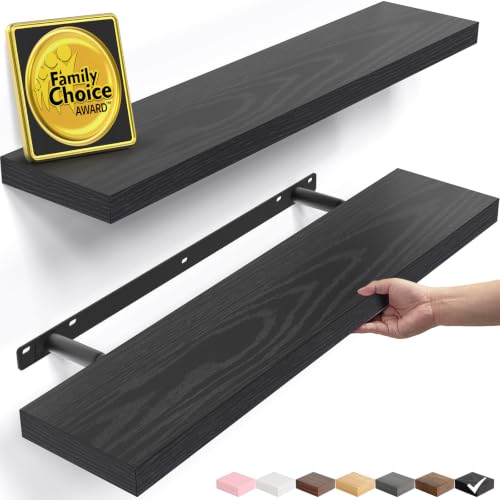
𝐌𝐨𝐝𝐞𝐫𝐧 & 𝐌𝐢𝐧𝐢𝐦𝐚𝐥𝐢𝐬𝐭 𝐒𝐭𝐲𝐥𝐞 - Featuring clean lines and a sleek black finish, these wall-mounted shelves bring modern industrial and contemporary charm to any space. Perfect as shelves for room decoration, book shelves display, and bold dark wall decor — they elevate your bathroom wall art vibe, bedroom aesthetic, living room style, kitchen organization, office setup, and laundry room storage all in one versatile design

Storage & Decoration Solution: Corner shelves for wall fit into the corner and increase storage space. The modern wall shelf complements any decorating style, providing a display space where you can decorate the room with whatever you like while making more space

【LED Light Strip】: This corner shelf has been specially equipped with LED light strips, with multiple colors available for adjustment. It can create a cozy atmosphere at night, enhance the gaming experience when placed in the game room, or add the atmosphere when watching movies at night when placed in the living room.
4. Take the Shelves Over the Doorway

Bookshelves built around a doorway make an ordinary opening feel wonderfully intentional. They also capture the wall space above the frame, which is usually ignored even though it can hold an entire row of books.
Reserve those high shelves for books you reread occasionally rather than weekly. A small library ladder or stable step stool can live nearby, but everyday favorites belong between waist and eye level.
This is one of the projects where accurate measuring matters. Leave room for the door casing, hinges, switch plates, and the full swing of the door. If the shelves are fitted rather than freestanding, have the header and fixings checked properly.
More Finds You Might Like

Modern Form, Lasting Appeal: Clean lines and balanced simplicity define this BARNET Collection ladder shelf, combining a steel frame with rustic panels to create visual depth and pair easily with matching storage units for a cohesive, modern interior

One Removable Fabric drawer: Metal ladder bookshelf with an additional large fabric drawer which is light and soft, matches 4 and 5 tier shelves to store books, toys or other personal items, not only to prevent children from accidentally bumping into corners and injuring themselves, but also to make full use of vertical space to keep your home, office, apartment tidy and organized.
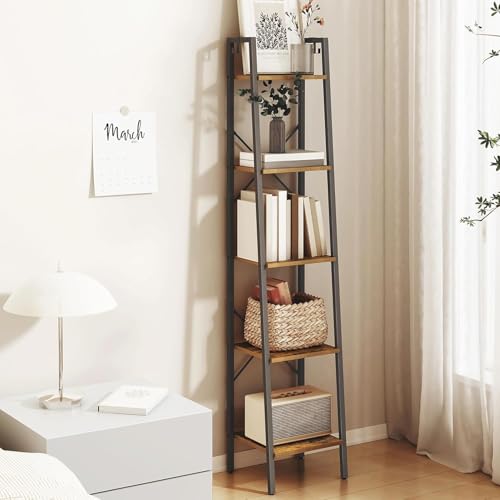
【Industrial Design】Combining the rustic brown shelves and ladder design, this ladder shelf gives an eye-catching look and injects charm into your collection display area, all before your treasures show on the stage
5. Create a Library Beneath the Stairs

The triangular space below a staircase is awkward for full-size furniture but beautifully suited to fitted shelves. Use the lowest section for drawers, the middle for books, and the tallest end for a bench or upright bookcase.
Built-in drawers are worth the extra work. They keep shoes, bags, charging cables, and household odds and ends from creeping onto the shelves. The result still reads as a proper library rather than a busy entryway with a few books squeezed in.
A wall light makes the bench usable without trailing a cable across the floor. Just make sure any electrical work, stair structure, ventilation, and local building requirements are checked before construction begins.
6. Give a Tiny Box Room One Clear Purpose

Small spare rooms often struggle because we ask them to be a guest room, office, gym, storage cupboard, and craft room at the same time. Choosing one main purpose usually makes the room feel larger, not smaller.
Let one wall handle the books, then use the opposite wall for a narrow daybed or storage bench. A fold-down desk provides a place to write without permanently narrowing the passage. When the desk is closed, the room returns to being a quiet place to read.
Match the shelving and larger furniture to the wall color if the room feels crowded. You will still see the books, but the structure around them becomes calmer.
7. Combine a Small Bedroom and Library

A guest room that is occupied a handful of nights each year does not need to sit empty the rest of the time. A daybed gives visitors a proper place to sleep while leaving more floor area for shelving and everyday reading.
Keep heavy books away from directly above the sleeper unless the shelving is professionally designed and securely fixed. Side walls and the space beyond the foot of the bed are better homes for large hardcovers. Closed cabinets below can hold bedding so the room is ready when someone stays over.
Choose a wall light that can be reached from the bed. It works for bedtime reading and avoids a side table that may be too wide for the room.
8. Build a Small Home Office Library

If your books and paperwork already share a room, lean into it. A desk built between bookcases uses less floor space than a freestanding desk placed in front of separate storage. Drawers below can deal with files, stationery, and the printer supplies nobody wants on show.
Give the desk a proper task lamp and leave enough knee room. It is easy to become so enthusiastic about shelves that the workspace ends up as a decorative slot too cramped to use.
If space allows, add one genuinely comfortable chair away from the desk. Reading in an office chair feels suspiciously like work, even when the book is excellent.
9. Turn an Alcove Into a Reading Nook

An alcove already has the feeling of a room within a room, which is half the work done. Wrap shelves around the back and sides, then fit a bench below. Even a relatively shallow recess can hold paperbacks and a comfortable upright seat.
Painting the entire interior one color makes the nook feel deliberate. A deeper shade adds coziness, while the surrounding room can stay light. Drawers beneath the bench give you somewhere to hide throws, chargers, and unfinished projects.
A curtain is optional, but it is rather lovely. Pull it partly across when you want a sense of privacy, or leave it open so the book-lined nook becomes part of the room.
10. Put a Library Wall Behind the Sofa

If the sofa already sits against a blank wall, you have a potential library. Build shelving around and above it, with cupboards at each side or below the reachable sections. The sofa becomes the reading seat, so no extra chair is required.
Do not trap useful shelves directly behind the sofa back. Start the open shelving above head height and use the lower sections at the sides for books you reach often. Picture lights or swing-arm sconces can provide focused light without using end tables.
Secure everything carefully. A bookcase above seating should be properly anchored, and heavy objects should never balance along the front edge.
11. Follow the Roofline in an Attic Library

Sloped ceilings make tall furniture difficult, but books do not insist on standing at full height. Low bookcases can run beneath both eaves, while the gable wall takes a taller unit. This leaves the center—the place with the best headroom—clear for walking and seating.
Arrange the books you use most along the upper rows of the low cases so you are not constantly kneeling. Deeper cupboards at the very lowest points can hold seasonal items or archive boxes.
Attics can become hot, cold, or damp depending on the season. Before moving a collection upstairs, check insulation, ventilation, leaks, and whether the floor can safely carry the added weight.
12. Line a Hallway With Shallow Bookcases

A hallway library works best when the shelves are designed for books rather than adapted from deep living-room furniture. Eight-inch shelves can hold many novels and paperbacks while preserving precious passage space.
Use closed cabinets only where the corridor is wide enough, and check that doors can still open fully. Continuous lighting above the shelves brightens what can otherwise become a dark tunnel and makes the book spines easy to read.
Keep the opposite wall fairly simple. A few flat framed pictures are fine, but bulky consoles and protruding hooks will make the corridor feel pinched.
13. Convert a Closet Into a Tiny Library

If a closet has become a graveyard for coats nobody wears, it may be more useful as a reading nook. Remove the doors, line the back and sides with shelves, and fit a bench across the lower section.
A standard closet is not deep enough for a lounge chair, but an upright cushion and seat can work well. Use the side shelves for smaller books so they do not crowd your shoulders, and keep the central shelves within easy reach.
Do not seal over ventilation, wiring, or an access panel. Once the practical details are handled, painting the inside a rich color helps the old closet feel like a destination rather than a cupboard with delusions of grandeur.
14. Try Dark Academia on a Small Scale

Dark academia suits a small library because the snugness is part of the appeal. Deep wood tones, an old desk, a worn leather chair, landscape art, and a traditional lamp can make a plain box room feel as though it has been gathering stories for years.
The trick is keeping the room usable. Preserve the natural light, use warm task lamps at both the chair and desk, and leave some pale ceiling visible. Painting every surface nearly black can be striking in a photograph and rather less enjoyable when you are searching for a book on a winter afternoon.
Mix older pieces with ordinary modern shelving stained to a similar tone. A room develops character through use, not because every item arrived from an imaginary country estate.
15. Keep a Scandinavian Library Light and Warm

A light library does not have to mean white shelves and no possessions. Pale oak, warm off-white walls, a wool rug, and cream upholstery create a calm background while the book spines provide color.
Closed cabinets along the bottom keep practical clutter out of sight and give the tall shelves a grounded base. Choose one comfortable chair with a footstool rather than several undersized seats. In a small room, comfort is a better use of space than capacity.
Leave enough breathing room for a plant or ceramic piece here and there, but resist turning half the shelves into decorative vignettes. A library should still have room for the books you have not bought yet.
16. Use Low Shelves in a Low-Ceiling Room

A basement or low-ceiling room can feel heavier when tall bookcases press against the ceiling. Waist-high shelving takes the emphasis downward and creates a useful ledge for art, lamps, and a few plants.
Continue the cases around a corner to hold a substantial collection without surrounding the entire room. A low-backed chair maintains the horizontal line and keeps sightlines open.
Layer the lighting rather than relying on one ceiling fixture. A reading lamp beside the chair, a couple of wall lights, and the small amount of available daylight will make the room far more inviting. Any sign of basement dampness should be dealt with before the books move in.
17. Let the Dining Room Double as a Library

Dining rooms often have one long wall doing very little. Filling it with books gives the room a reason to be used between meals and creates a comfortable place for homework, writing, puzzles, or an afternoon with several open reference books.
A round table is friendly to tight circulation because there are no corners to dodge. Keep at least enough space to pull each chair out comfortably, and use closed cupboards below the shelves for table linens and serving pieces.
Picture lights add warmth at dinner and make the shelving feel architectural. If the dining room connects to the kitchen, wipeable painted cabinetry is easier to live with than unfinished timber near cooking steam.

How to Make a Small Home Library Feel Comfortable
Once the shelving is planned, comfort comes down to a few ordinary things done well. Choose a chair you can sit in for more than ten minutes. Put the light where it falls onto the page rather than into your eyes. Keep a small surface nearby for a drink and leave enough room to stand up without rearranging the furniture.
Warm bulbs—usually around 2700K to 3000K—feel pleasant in the evening, but the lamp still needs enough brightness for reading. If glare is a problem, use an adjustable shade that directs light downward.
Most importantly, allow the library to look used. A book left open, a folded blanket, or a shelf that is not arranged by color will not ruin the room. It will simply prove that someone actually reads there.
Frequently Asked Questions
How small can a home library be?
A home library can fit into a closet-sized alcove, a corner, or one wall of another room. What makes it a library is useful book storage and a practical way to browse or read—not the number of square feet.
How deep should home library shelves be?
About 8 to 10 inches works for many novels and standard hardcovers. Large-format books may need 11 to 12 inches. Measure your own largest books before ordering or building shelves.
Can I put floor-to-ceiling bookshelves in a small room?
Yes. Taking shelves to the ceiling often makes better use of a small footprint. Secure tall units to appropriate wall framing, keep frequently used books within reach, and use safe access for higher shelves.
What is the best room color for a small library?
There is no single best color. Pale wood and warm white feel bright, while deep blue, green, or walnut create a snug atmosphere. Good lighting and a consistent palette matter more than whether the room is light or dark.
Final Thoughts
The best small home library is not the one with the grandest shelves. It is the one that fits your books, fits your home, and makes you want to stay for another chapter.
Start with the space you already have. Measure it properly, choose one storage idea that solves the biggest problem, and build from there. A forgotten corner can hold far more stories than it first appears.


