


I made this post because when I first started gardening, I kept hearing about “companion planting” like it was some kind of secret code. Turns out, it’s not that complicated — and it actually makes a lot of sense once you get the basics.
If you’re new to gardening or just curious why certain plants seem to thrive better together, this one’s for you. We’ll break down the science in simple terms, and give you practical tips you can actually use in your own garden.
1. What is Companion Planting?

Alright, so when I first heard about companion planting, I’ll be honest — I thought it was some kind of couples therapy for vegetables. But then I moved into this little neighborhood in the Midwest where everybody had a garden… and I mean everybody. Front yards, backyards, even that one guy who used his boat trailer as a raised bed (true story).
That’s where I learned it’s actually a real thing — certain plants just get along better when you grow them together. Like tomatoes and basil? Total besties. One keeps the bugs off, the other makes your sauce taste like heaven.
I had this neighbor, Martha — sweetest older lady with a backyard that looked like a page outta Better Homes & Gardens. She swore by planting marigolds near everything. “Keeps the bad bugs out and the neighbors jealous,” she’d say. One summer, her zucchini grew so big it literally snapped the fence. I’m still not convinced she wasn’t sneaking in Miracle-Gro.
And then there was Don, the guy who thought companion planting meant putting beer cans around his peppers for “company.” Didn’t work, but we all appreciated the effort.
Anyway, that little patch of soil taught me that companion planting isn’t just science — it’s part community, part trial-and-error, and a whole lot of storytelling in between. If you’re just starting out, don’t worry about doing it perfectly. Just plant what makes sense, learn from the folks around you, and maybe throw a marigold in there for Martha.
2. Benefits of Companion Planting

Alright, let’s talk about why companion planting isn’t just garden folklore passed down by your neighbor with 14 cats and a perfect tomato harvest.
There’s actual science behind why some plants thrive when grown near others. Think of it like choosing a roommate — some pairings bring out the best in each other, and others… well, let’s just say your cucumbers won’t love living next to fennel (and neither would I).
One of the biggest benefits? Natural pest control. Certain plants (like marigolds or basil) help repel bugs that would otherwise love to snack on your veggies. It’s like hiring bodyguards for your lettuce, only they smell better and bloom beautifully.
Another big win is soil health. Some plants add nutrients back into the soil — like beans that fix nitrogen — while others help break it up and keep things loose. So instead of relying on expensive fertilizers, your plants basically help each other out. Teamwork!
And let’s not forget space efficiency. Tall plants like corn can give shade to lower growers like lettuce, and spreading plants like squash can act as living mulch to keep the soil cool and moist. It’s garden feng shui, but with more dirt under your nails.
Bonus? It makes your garden look gorgeous. You get structure, texture, and a ton of color variation when you mix things up. Functional and beautiful? Sign me up.
So if you’re new to companion planting — or just curious why your neighbor’s zucchini always looks happier — give it a try. Your garden might just surprise you.
3. Popular Companion Plant Pairings

Okay, I know charts can be intimidating… but this one? This is your new best friend if you’ve ever stood in the garden wondering, “Wait… can I plant basil next to tomatoes or is that illegal?” (Spoiler: yes, and it’s a power couple.)
This companion planting chart is the cheat sheet I wish I had when I first started. It takes out all the guesswork and lets you see who plays well together in the garden sandbox. Want fewer pests, healthier plants, and a garden that low-key manages itself? Pair smart.
And honestly, my love for this kind of thing started way back with my dad. He was a die-hard gardener when we lived in Florida. The man had more books on tomatoes than on parenting, I swear. He used to walk me around the backyard, pointing at plants like he was introducing me to royalty — “This here’s basil, your tomato’s bodyguard. This is marigold, keeps the bad guys away. And this mess? That’s what happens when you plant onions next to beans. Don’t ask.”
He swore by the system — and you know what? It worked. His veggies were always thriving, and the man hadn’t used a pesticide in decades.
So yeah, companion planting might sound old-school, but trust me — it’s one of the smartest things you can do for your garden. This chart isn’t just pretty — it’s packed with wisdom. Hang it up, screenshot it, tattoo it on your forearm (okay maybe not that)… but keep it close. You’ll thank yourself later.
Shop This Look

TOMATO GARDENER SEED VARIETY PACK: A vibrant collection of 12 heirloom tomatoes! From the fruity Kellog Beefsteak to the sweet Yellow Pear, this pack brings color, flavor, and garden fun to your plate. Perfect for slicing, sauces, or snacking. Grow a rainbow of tomatoes!

Salad or Paste: Tomato is very tasty food, no matter adding to salad or make to tomato paste. There are over 1,500 seeds, 10 kinds of tomato collection including roma vf, san marzano, marmande, oxheart, large cherry, zebra, rainbow mix, ace 55, jubilee. You can eat these tomatoes plain with some salt and pepper, or use in recipes such as toast, bruschetta, pico, tomato tarts, or jam

Gardening Kit: 14 Rare Tomato & Tomatillo Garden Seeds Variety Pack NON-GMO Heirloom Seeds LESS THAN $1.80 PER SEED VARIETY PACK 1,025+ seeds including: Tomatillo Cape Gooseberry, Tomatillo Grande Rio Verde, Tomato Amana Orange, Tomato Caribe, Tomato Dr. Wyche's Yellow, Tomato Flame, Tomato Large Cherry, Tomato Pink Thai Egg, Tomato Red Beefsteak, Tomato Red Pear, Tomato Roma VF, Tomato White Beefsteak, Tomato Yellow Pear, Tomato Yellow Stuffer.
4. Enhancing Soil Health

Let’s talk about the part of gardening nobody brags about on Instagram — the dirt.
Soil health is basically the unsung hero of every thriving garden. You can have the prettiest raised beds, the trendiest heirloom seeds, and a Pinterest board full of aesthetic trellises… but if your soil’s dead? Nothing’s growing but frustration and maybe one confused dandelion.
I learned this the hard way. First year I started gardening, I planted everything in what I thought was “fresh, clean dirt” from a landscaping pile down the road. Looked fine. Felt fine. Turned out it was basically sand with a dream. My plants came up looking like they’d been through something emotionally.
Lesson learned: healthy soil is alive. It’s full of microbes, worms, and organic matter that keeps everything balanced and breathable. It holds water without drowning your roots and passes nutrients around like a well-organized potluck.
And here’s where companion planting steps in — certain plants (like beans and peas) help fix nitrogen in the soil, while others break up compacted earth or deter pests that would throw your whole ecosystem off.
So yes, compost is gold. Cover crops are magic. And mulch? Mulch is like a cozy blanket that keeps the good stuff in and the weeds out.
Give your soil some love and it’ll pay you back tenfold — with bigger harvests, fewer problems, and plants that actually look happy to be there.
Shop This Look

Cute "Ask Me About My Worms" design suitable for men, women, mom, dad, youth who are enthusiast of vermiculture and vermicompost farming. Best for mother, father, aunt, uncle who are lover of gardening or planting using compost soil in the backyard garden.

You know all about planting, composting and vermicomposting that means earthworms to convert organic waste into fertilizer because you're a farmer or gardener who love to turn your kitchen scraps and other greens into rich soil for your vegetables.

FEEDS UP TO 6 MONTHS: Miracle-Gro Potting Mix is a gardening soil for outdoor containers that feeds all types of potted plants, including flowers, vegetables, shrubs, annuals, and perennials for up to 6 months
5. Natural Pest Control

Let’s rewind for a sec — way before sprays and synthetic pesticides hit the shelves, gardeners relied on nature to do the dirty work. Ancient farmers from Egypt to Mesoamerica knew something we’re only now circling back to: certain plants make excellent bodyguards.
Think marigolds warding off nematodes like tiny, golden bouncers. Or basil playing mosquito repellent while keeping your tomatoes company like a spicy little sidekick.
My own introduction to natural pest control was… let’s call it memorable. Back when we lived near the edge of an apple orchard, I decided to “go organic” overnight — zero research, maximum confidence. I planted nasturtiums thinking they’d keep aphids off my kale. Well, they did… by inviting every aphid in the county to live on the nasturtiums. I accidentally built an all-you-can-eat buffet next to my veggie patch.
So here’s the warning: companion planting is powerful, but it’s not magic. You’ve gotta know who plays nice with whom — and who’s a bit too hospitable. Some flowers act like decoys (which is great if you plant them away from what you want to protect). Others, like dill and fennel, attract beneficial insects but can be drama queens if planted too close together.
The real beauty? When it works, it really works. Your garden becomes its own little ecosystem, buzzing with pollinators, ladybugs, lacewings — a full-on cast of natural pest control agents who work for free and don’t poison the soil.
Nature knows what she’s doing. You just have to listen… and maybe learn from someone else’s aphid invasion first.
Shop This Look
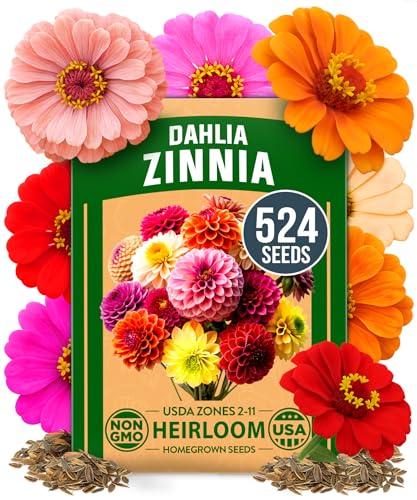
524 PREMIUM SEEDS – BRILLIANT COLOR, FAST GROWTH: This large pack includes 524 USA-packed, high-germination Zinnia Dahlia seeds that bloom into stunning double flowers in red, pink, orange, white, and more. Easy to grow, beginner-friendly, and perfect for bouquets, borders, and containers. Blooms in just weeks and lasts all summer!
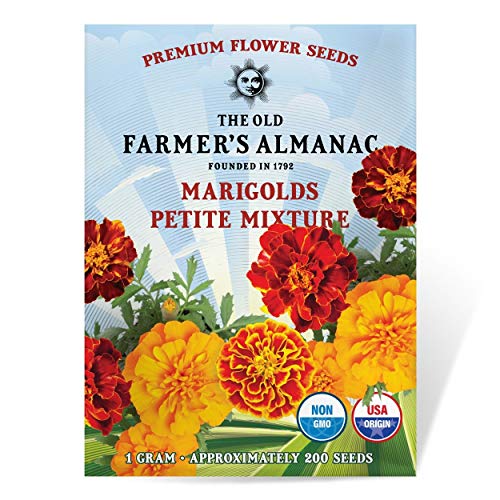
Easy to Grow: With prodigeous brilliant orange, yellow and red flower clusters Petite Mix Marigolds are hardy growers that love sun and heat and are drought tolerant. They also produce great flowers for arrangements or drying, and the seeds are easy to harvest and use for years to come!

Beautiful - Large premium packets of Coleus Rainbow Mix (Plectranthus scutellarioides) seeds. This tender perennial mix produces leaves in a stunning array of colors in shades of yellow, white, green, pink, red, and deep maroon. Leaves will color as they mature outdoors. Minimum of 250 mg per packet (about 800 seeds).
6. Maximizing Garden Space

If you have limited space, companion planting can be your best friend. This technique allows you to grow more in less area by utilizing vertical and horizontal spaces efficiently. Mixing tall plants like tomatoes with low-growing herbs like basil creates layers, making full use of sunlight and soil nutrients.
To optimize your garden layout, consider using a Vertical Garden Planter. This 5-tier stackable planter is perfect for growing strawberries, herbs, flowers, and vegetables in a compact form, allowing you to maximize your growing area without sacrificing your garden’s aesthetics.
Another smart strategy is to plant radishes alongside slower-growing crops like carrots. Radishes mature quickly and can be harvested before the carrots need more space. This means you get two crops in the same area while also reducing weed growth in the process.
Utilizing trellises for climbing plants is another way to save ground space. A trellis for climbing plants can support your cucumbers or peas, adding visual height to your garden while keeping the ground clear for other plants.
Additionally, consider planting in tiers, where larger plants provide shade for smaller ones, protecting delicate herbs from scorching sun. For guidance on what to plant together, a Companion Planting Guide Book like Clyde’s Garden Planner can help you make informed decisions.
In essence, companion planting transforms your garden layout into a smart, efficient space that thrives.
Shop This Look
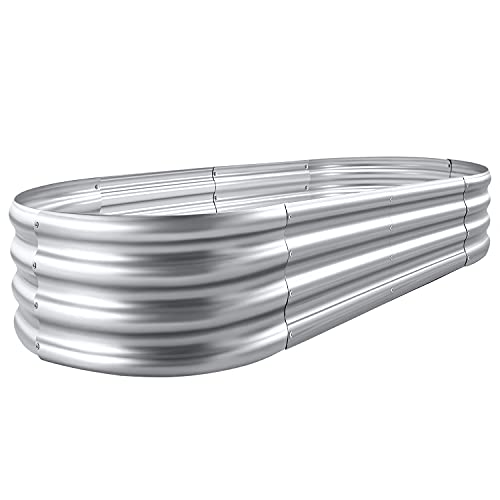
Each raised metal garden bed size: 4×2×1ft ,7.14Cu

Huge Value - 35 Medicinal & Tea Herb Seeds for Planting Indoor & Outdoors. NON-GMO Heirloom Seeds for LESS THAN $1.10 PER SEEDS VARIETY - Over 16300 seeds: Anise, Italian, Thai&Purple Basil, Bergamot, Bishop's Flower, Borage, Calendula, Poppy, Cape Forget-Me-Not, Caraway, Catnip, Chamomile, Chervil, Cilantro, Dandelion, Dill, Echinacea, Fennel, Hyssop, Lavender, Lemon Balm, Lovage, Marjoram, Lemon&Mountain Mint, Peppermint, Oregano, Pansy, Rosemary, Sage, Summer Savory, Thyme, Yarrow, Zinnia
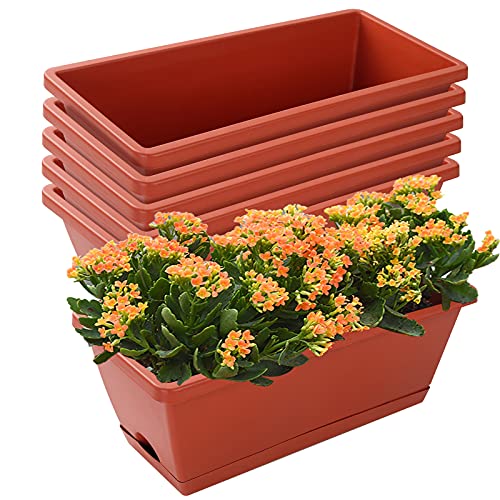
WINDOW BOX PLANTERS DIMENSIONS - Includes pack rectangular plastic planters. The size of plastic flower planters: L16.6 x W7 x H5.9 inches, large enough to support any projects and ideas. Great for herbs, flowers, foliage, grass, cactus, succulents, ferns, arborvitae and more.
7. Flavor Enhancement

One of the exciting aspects of companion planting is the potential to enhance flavors. Certain herbs can significantly improve the taste of vegetables when grown together. For example, basil and tomatoes are often paired for their delicious outcome in sauces and salads.
To get started, consider using the herb garden starter kit, which includes everything you need to cultivate essential herbs right at home, such as basil and rosemary. Similarly, rosemary promotes the flavor of carrots while helping to repel pests that would otherwise attack them. Onions planted with strawberries can help ward off harmful insects, allowing the strawberries to flourish and taste sweeter.
As you experiment with companion planting, you might discover delightful flavor surprises. Keeping track of your observations can be incredibly rewarding. A great way to do this is by using the garden journal for planting and harvesting, which allows you to note the differences you observe between regularly grown produce and those grown alongside beneficial herbs. The joy of gardening is not just in the yields, but also in savoring the enhanced flavors that your garden can provide.
For those looking to expand their garden, the organic vegetable seeds variety pack offers a wonderful assortment of herb, fruit, and vegetable seeds to help you cultivate a diverse and flavorful garden. Remember, the best ingredient is always love in your garden.
8. Learning from Nature

Companion planting embodies the wisdom of nature. By observing how plants interact with each other in the wild, we can learn a lot about nurturing our gardens. For instance, plants in a natural ecosystem grow in communities, relying on each other for nutrients, pest control, and overall health.
One great way to understand this is by studying how native plants support local wildlife. They create diverse habitats and food sources for insects, birds, and other animals. This biodiversity leads to healthier, more resilient ecosystems.
As you plant, think about mimicking these natural relationships. Consider planting diverse crops rather than monocultures to support various species in your garden. A practical tool to help you with this is Clyde’s Garden Planner – Vegetable Planting Slide Chart, which serves as a handy companion planting guidebook. It can assist you in visualizing which plants grow well together, making your gardening experience more successful.
Additionally, incorporating a variety of plants is essential. A great option for this is the Back to the Roots Heirloom Organic, Non-GMO & USA Grown Seeds, 30ct Herb, Fruit, and Veggies. This organic seeds variety pack allows you to cultivate a diverse array of crops, supporting beneficial insects and promoting a balanced ecosystem in your garden.
In essence, embracing nature’s lessons will lead to a more harmonious gardening experience while these products can help you achieve that goal effectively.
9. Seasonal Considerations

Timing is everything when it comes to gardening, and companion planting is no exception. Understanding seasonal growth can help you plan your garden more effectively. Some plants thrive in the cooler months, while others prefer the warmth of summer.
For beginners, it’s key to learn what grows well together in each season. Cool-weather crops like lettuce and peas can be paired with early blooming flowers that attract pollinators, while summer staples like peppers and corn can benefit from late blooming herbs. A great resource to aid in this planning is the Clyde’s Garden Planner – Vegetable Planting Slide Chart. This handy gardening planner journal helps you visualize planting times and companion plant compatibility, making your gardening experience smoother.
Additionally, considering succession planting can extend your harvest season. Planting quick-growing crops alongside slower ones allows for a continuous flow of produce from your garden. The Seed Starter Kit is perfect for starting your seeds indoors, giving them a head start regardless of the season. With adjustable humidity domes and a design that promotes healthy growth, this kit can help you time your plantings more effectively.
By incorporating seasonal changes into your companion planting strategy and utilizing tools like the garden planner and seed starter kit, you can ensure optimal results and a bountiful growing season. Planning ahead and knowing what to plant and when can make all the difference in your gardening success.
10. Getting Started with Companion Planting

Starting your companion planting journey doesn’t have to be daunting. Begin with a plan. Consider the space you have and the plants you love to eat. Research common pairings that work well in your climate and soil type.
Once you have a basic outline, purchase seeds or seedlings, ensuring you select healthy varieties. A great way to start is with the Burpee SuperSeed seed starting tray, which is perfect for getting your vegetable, flower, and herb seeds off to a strong start. This reusable and dishwasher-safe tray allows you to grow deep-rooted seedlings with ease.
Group plants according to their needs—sunlight, water, and nutrients—and arrange them in your garden accordingly. Don’t forget to keep observing and adjusting. Gardening is a learning process, and companion planting offers plenty of room for experimentation. You might even discover your own perfect plant partnerships!
To help you track your companions and their growth, consider using a Clever Fox gardener’s journal. This guided gardening notebook allows you to document what works and what doesn’t, which will be invaluable as you continue to develop your skills.
For additional support, the Clyde’s Garden planner is a handy companion planting guide that provides insights on which plants grow well together, making it easier to optimize your garden layout.
With a little patience and creativity, you can create a thriving garden that flourishes with the help of its companions.
Conclusion

Companion planting opens up an exciting world for gardeners, allowing you to harness nature’s wisdom to create unique and thriving ecosystems right in your backyard. From the benefits of natural pest control to enhanced flavors and improved soil health, the possibilities are endless.
So, whether you’re just starting out or looking to expand your gardening knowledge, embracing companion planting is a rewarding adventure waiting for you. Share your experiences and let the beauty of your garden inspire others to join in!
Note: We aim to provide accurate product links, but some may occasionally expire or become unavailable. If this happens, please search directly on Amazon for the product or a suitable alternative.
This post contains Amazon affiliate links, meaning I may earn a small commission if you purchase through my links, at no extra cost to you.
Do companion plants really work for pest control?
Yes — but it’s not an overnight miracle. Think of companion plants like helpful neighbors: some are great at keeping pests away, others just attract better company (like ladybugs or hoverflies). It’s all about the combo!
Which flower is best for keeping bugs away?
Marigolds are my MVPs. They’re not just pretty — they help repel aphids, nematodes, and even rabbits (yep). But remember, planting them too close to everything can backfire. Give them a little space to shine.
Can herbs help with pest control too?
Absolutely! Basil, mint, rosemary, and thyme aren’t just for your kitchen. They confuse pests with their strong scents and attract beneficial bugs. Bonus: your garden smells amazing while doing it.
What’s the biggest mistake I could make?
Planting the wrong companions too close together — or planting just one type expecting miracles. I once grew dill next to carrots and ended up with confused swallowtail caterpillars and no carrots. Do a quick check before pairing things up.
How soon will I see results with natural pest control?
Give it time — a few weeks at least. Nature doesn’t rush. The more variety you plant and the healthier your soil is, the faster your garden’s natural defense squad will show up.


