


You don’t need a cabin in the woods to live like you’re surrounded by one. Nature-inspired decor pulls raw materials, organic textures, and earthy palettes into your everyday space, transforming ordinary rooms into something that actually feels grounded. From live-edge tables to forged iron hardware, each choice builds a layered environment worth noticing. What follows covers 22 specific ideas that do exactly that.
Live-Edge Wood Furniture That Celebrates Natural Imperfection

Live-edge wood furniture transforms raw timber into striking statement pieces, preserving the natural contours, knots, and grain patterns that conventional milling strips away.
Every slab tells a story conventional milling erases — raw edges, wild grain, and knots preserved exactly as nature intended.
When you choose a live-edge dining table, you’re selecting a piece where the natural edge tells a story. Skilled artisans use craft techniques like epoxy filling and hand-sanding to highlight, rather than hide, beautiful imperfections.
Table restoration projects also breathe new life into salvaged slabs, turning weathered wood into functional art.
You don’t need a massive budget; even smaller live-edge shelves or coffee tables introduce authentic, organic character into your cabin space beautifully. For entryways, a solid wood console table anchors the space with warmth and natural texture while offering a practical surface that complements the live-edge aesthetic throughout your cabin.
More Finds You Might Like

🏡【Adjustable height &Rolling】The tray is made of FSC-Certified materials. The top of the side table measures 15.8 inches long and 11.8 inches wide. This side table with wheels can be adjusted height to suit bathtub, couch, bed, and chairs, while the swivel table can be rotated 360°. The C shaped end table is designed so that it slides nicely under the sofa. This side table comes with wheels on the bottom, you can easily move it to where you want to go.

【Say Goodbye to Discomfort】- Sturdy foldable laptop table with 15 Custom Heights & Angles Combination, easing neck & back strain. Optimal size (30”x23.6”x17.7”) for focused work, comfortable study sessions, or relaxed dining. Designed to fold flat for effortless portability and space-saving convenience.

Space-saving Design - 3 Pieces two Chairs and Table Set is elegent for any compact space, the chairs can be tucked under the table when not in use. The back of the chair fits perfectly with the rounded edge of the table, saving half the space. Oval-like desktop design makes it easy to fit into any small space.
Stone Fireplaces That Anchor the Whole Cabin

While natural wood brings warmth to a cabin’s interior, nothing commands attention quite like a stone fireplace anchoring the main living space. You’ll want your hearth focalpoint to feel intentional, drawing every chair, rug, and conversation toward it naturally.
Choose fieldstone, stacked slate, or dry-stacked granite for authentic texture that reads rugged and refined simultaneously. Pay attention to mortar textures, since rough, hand-tooled joints create visual depth that smooth finishes simply can’t replicate.
A floor-to-ceiling stone surround makes your fireplace feel permanent, structural, and completely irreplaceable, transforming an ordinary room into something that genuinely feels like wilderness architecture. Surrounding your hearth with curio display cabinets lets you showcase natural artifacts, heirlooms, and treasured collectibles that reinforce the cabin’s connection to the wild.
More Finds You Might Like

Fireplace deep cleaning - This fireplace cleaning kit includes what you need for a brighter fireplace. The heavy-duty, safe, and non-abrasive gel cleaner swiftly removes soot, creosote, ash, and all manner of grime from your fireplace surface.
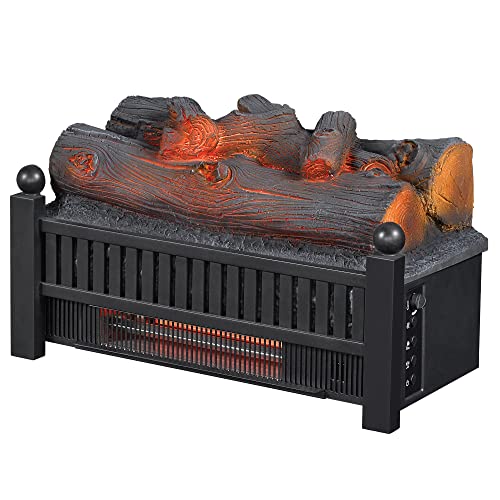
Crackling Sound Effect with Lifelike Flames: Enjoy the sound of a realistic fire with a crackling sound effect and glowing, LED flames; this electric fireplace insert not only enhances your space but delivers toasty heat that warms any area up to 1,000 square feet.

Charming Design: Includes side viewing windows, a glass door that really opens, and a brick-style back panel. This stove heater not only enhances your décor but delivers infrared heat in any room up to 1,000 square feet. Easily carry this portable heater to any room you wish.
Reclaimed Wood Walls That Tell a Story

Reclaimed wood walls carry history you can actually see, with weathered grain patterns, old nail holes, and sun-bleached color variations that factory-fresh lumber simply can’t fake.
You’re effectively installing a timeline when you source historic timber from demolished barns, old warehouses, or deconstructed bridges.
Each board brings unique storytelling knots, irregular textures, and authentic patina that mass-produced panels never replicate.
Install boards horizontally for a low, grounded feel, or run them vertically to draw your eyes upward toward cathedral ceilings.
Seal everything with Rubio Monocoat or Bona’s natural-finish line to preserve character without plasticizing that raw, lived-in surface you’re working hard to achieve.
For a more contemporary take on natural wood aesthetics, wood slat wall panels offer clean linear patterns while still delivering the warmth and organic texture that defines cabin-inspired interiors.
More Finds You Might Like
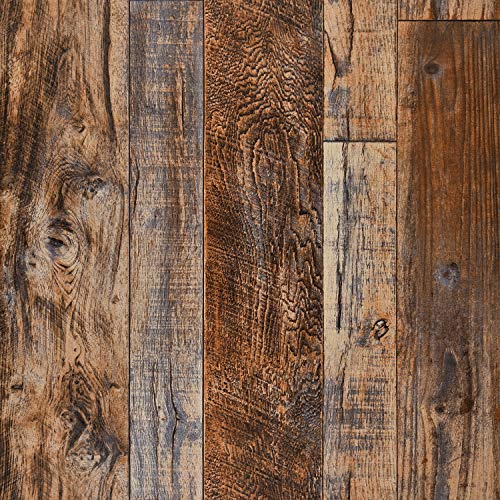
🌴WOOD WALLPAPER FEATURES: Wood contact paper is easy to stick and remove. Realistic vintage wood texture wallpaper. Decorating your rooms or cafes without spending too much time and money.

High-Quality Wall Panels: Our acoustic panel set is crafted with high-density polyester fiber, premium medium-density fiberboard, and a solid wood veneer. This combination provides an elegant look, superior sound damping, and excellent sound deadening, significantly improving room acoustics

Weather-Resistant ECOFLEX Construction: Made from ECOFLEX, a non-toxic wood-polymer composite that won’t absorb moisture, rot or warp like plywood or cardboard shelters. Double-wall panels add natural insulation, and the raised floor lifts cats off cold, damp ground. For best protection from wind-driven rain, place it on a porch, under an overhang or against a wall.
Dark, Moody Forest-Inspired Paint Colors for Cabin Walls

Dark, moody paint colors transform cabin walls into something that feels genuinely immersed in the surrounding forest, pulling the outside world inward through carefully chosen pigments and undertones.
Dark, moody paint colors pull the surrounding forest inward, transforming cabin walls through deliberately chosen pigments and undertones.
You’ll want to ponder these four standout options:
- Farrow & Ball’s “Mizzle,” a deep green with gray undertones
- Benjamin Moore’s “Wrought Iron,” delivering rich charcoal blues
- Sherwin-Williams’ “Cascades,” evoking dense evergreen canopies
- PPG’s “Black Forest,” commanding dramatic depth
Each shade creates deliberate visual weight, making your cabin walls feel grounded, intentional, and authentically connected to the wilderness surrounding you. Pairing these bold wall colors with an industrial bookshelf adds a rugged, functional contrast that reinforces the cabin’s connection to raw, natural materials.
More Finds You Might Like

Easy to Mount: Includes high-quality double-sided adhesive stickers and metal hangers. Easily and quickly attach custom signs to the wall.

This beautiful art mask can be hung on a wall as decoration or worn using black ribbon attached on each side of the face.

💝Premium Solid Wood Construction: Crafted from high-end natural hardwood, this jewelry box offers superior durability compared to engineered wood. The smooth finish and sturdy structure ensure it can withstand daily use and last for years as a timeless keepsake.
Knots, Grains, and Cracks That Make Wood More Beautiful

Wood’s natural imperfections—knots, grain patterns, and cracks—aren’t flaws you should hide; they’re the features that give a cabin its soul.
Use knot identification to distinguish character knots from structural weaknesses, ensuring your wood remains both beautiful and safe.
Apply grain enhancement techniques like Rubio Monocoat or Danish oil to deepen those swirling patterns, making them genuinely pop against the surface.
Run your hand along a live-edge slab, and you’ll feel centuries of growth embedded in every ridge, crack, and whorl.
Embrace these imperfections deliberately, letting them tell your cabin’s authentic, untamed story.
A solid wood bookshelf(link) showcases these same natural characteristics, making it a perfect cabin furnishing that celebrates grain, knots, and organic texture rather than concealing them.
Cabin Shelving Made From Salvaged Wood and Iron

Salvaged wood and iron shelving transforms raw, reclaimed materials into functional art that anchors a cabin’s aesthetic with genuine industrial character. You’re effectively building history into your walls.
Consider these four approaches:
- Source barn wood planks with natural weathering
- Install salvaged bracketry using black iron pipe fittings
- Connect shelves using industrial joinery techniques, like mortise joints
- Seal wood with matte polyurethane, preserving original patina
Each method layers authentic texture onto your space, combining rugged iron hardware with warm, time-worn timber. The contrast creates shelving that feels earned, lived-in, and genuinely connected to nature’s unpolished beauty. For a streamlined build, iron pipe shelves offer a ready-made hardware solution that pairs naturally with reclaimed wood planks.
Antler and Branch Chandeliers That Make a Statement

When you’re ready to make a dramatic overhead statement, antler and branch chandeliers deliver raw, sculptural impact that no manufactured fixture can replicate.
You’ll find that antler symmetry matters enormously here, since balanced arrangements create visual harmony while asymmetrical designs introduce organic tension. Consider branch mixing techniques, combining oak, birch, and pine elements to achieve layered texture and natural contrast.
Brands like RusticLighting.com offer pre-designed configurations, though custom builds often resonate more authentically with your space. Designer Joanna Gaines notes that “overhead focal points anchor every room’s personality.” Position your chandelier centrally, letting it command attention without competing with surrounding cabin elements. For those who want to extend this nature-inspired aesthetic beyond their interior, a luxury pergola kit can seamlessly carry the organic design language into your outdoor living space.
Copper and Iron Hardware That Looks Like It Was Made by Hand

Copper and iron hardware transforms cabin doors, cabinets, and drawers into tactile storytelling elements that feel genuinely crafted rather than mass-produced. You’ll notice how hand hammered surfaces catch light differently than smooth, factory-finished pieces.
Consider these four hardware choices:
- Forged iron drawer pulls with visible hammer marks
- Copper cabinet knobs featuring natural patina finish
- Hand-cast iron door hinges with irregular edges
- Twisted copper bar handles with oxidized detailing
Each piece carries character that manufactured hardware simply can’t replicate. You’re fundamentally installing functional art that quietly communicates your cabin’s authentic, rugged personality throughout every room. For seating that matches this handcrafted aesthetic, a leather ottoman bench pairs beautifully with rustic hardware elements to complete the cabin’s grounded, artisanal atmosphere.
River Rock and Slate Accents Beyond the Fireplace

Just as hand-forged hardware brings raw, tactile character to your cabin’s surfaces, natural stone carries that same authenticity into your walls, floors, and countertops.
River rock embedded in shower walls creates stunning, organic texture, while slate tile floors anchor your living spaces with cool, earthy permanence.
Don’t overlook smaller applications—pebble pathways connecting outdoor spaces to interior entryways blur boundaries beautifully.
Slate tabletops, popular in brands like SlatePro and Restoration Hardware’s cabin collections, offer durable, naturally matte surfaces that complement wooden furniture without competing.
Stone works everywhere you’re willing to let it. Bringing stone indoors extends naturally to stone planters indoor, which add living greenery alongside organic mineral texture for a cohesive nature-inspired aesthetic.
Driftwood Accents for a Rustic, Weathered Cabin Look

Driftwood’s weathered beauty brings an effortless, almost coastal rawness into cabin spaces that feels simultaneously ancient and curated.
You can incorporate weathered driftwood strategically throughout your cabin using these four approaches:
- Mount nautical driftwood pieces as wall art
- Create driftwood mirror frames
- Build floating driftwood shelving
- Design driftwood centerpiece arrangements
Each application transforms ordinary spaces into textured, story-rich environments.
You’ll find that weathered driftwood’s naturally sculpted forms, sun-bleached surfaces, and organic irregularities create visual interest without manufactured effort.
Designer Joanna Gaines notes, “Authentic materials carry inherent narratives.”
Nautical driftwood particularly suits cabin bedrooms, entryways, and living rooms where earthy, grounding aesthetics matter most. Pairing driftwood elements with a large faux olive tree adds layered, nature-inspired depth that reinforces the organic, botanical character of your cabin interior.
Bark, Moss, and Lichen as Natural Sculptural Accents

Bark, moss, and lichen bring an entirely different textural dimension to cabin interiors, one that feels genuinely foraged rather than store-bought.
You can incorporate bark sculptures, crafted from slabs of birch, cedar, or pine, onto shelving units or mantels, creating striking focal points that celebrate raw natural form.
Moss terrariums, sealed in glass or open-topped ceramic vessels, introduce living greenery that thrives with minimal maintenance.
Lichen clusters, dried and preserved, add subtle gray-green tones alongside rougher textures.
Arrange these elements in grouped vignettes, varying heights and materials, letting organic asymmetry guide your composition rather than rigid geometric precision.
Woven Jute and Sisal Rugs That Add Cabin Texture Underfoot

While bark and moss bring vertical, eye-catching texture to your cabin’s surfaces, the floor deserves equal attention, and woven jute and sisal rugs deliver that grounded, tactile quality that pulls a room together.
Consider these four options:
- Braided jute runners for narrow hallways
- Natural sisal area rugs beneath dining tables
- Layered jute-and-wool combinations for living spaces
- Bound sisal mats for entryways
Each choice anchors your cabin’s aesthetic naturally, introducing organic fiber tones that complement wood, stone, and leather beautifully.
They’re durable, sustainable, and genuinely unpretentious, making them perfect underfoot.
Furs, Wool, and Linen Layered for Warmth That Looks Effortless

Layering furs, wool, and linen transforms a cabin interior from simply furnished to genuinely inviting, and the trick lies in understanding how each material contributes its own weight, texture, and visual warmth.
Layering furs, wool, and linen is the secret to transforming any cabin from merely furnished to genuinely inviting.
You’ll want to start with linen as your base, draping a chunky wool throw over seating, then adding faux fur accents for cozy layers that feel deliberately composed.
Tactile contrasts between linen’s crispness, wool’s density, and fur’s softness create visual depth without cluttering your space.
Pendleton’s wool blankets and IKEA’s TEJN faux sheepskin work surprisingly well together, giving your cabin that effortlessly warm, nature-connected atmosphere designers consistently recommend.
Vintage Wool Blankets Layered for Warmth and Character

Vintage wool blankets bring something no new textile can replicate—decades of character, faded color stories, and a worn softness that synthetic alternatives simply can’t fake.
Layer them intentionally using these four principles:
- Stack heirloom patterns like Pendleton stripes alongside geometric Navajo-inspired designs
- Mix color palettes ranging from earthy ochres to faded navies
- Combine woven textures, alternating tight basket weaves with looser, chunkier knits
- Finish edges with handmade trims, like leather fringe or braided cotton binding
You’ll create depth that feels curated, never cluttered, transforming ordinary seating into something genuinely warm and visually compelling.
Earthy Ceramics and Clay Pieces That Make a Cabin Feel Rooted

Handmade ceramics and clay pieces carry a grounded, organic quality that mass-produced décor simply can’t match, anchoring a cabin’s interior to the natural world just outside its walls.
You’ll want to look for textured glazes in muted earth tones — think deep ochre, slate gray, and warm terracotta — that echo the stones, soil, and bark surrounding your cabin.
Organic silhouettes, like irregular vases or hand-thrown bowls with uneven rims, add authentic character without feeling staged.
Place them on open shelves, windowsills, or dining tables, letting their imperfections tell a quiet, honest story about craft, nature, and belonging.
Botanical Prints and Nature Art for Cabin Walls

Botanical prints bring the outdoors in without competing with the raw, textured materials already doing the heavy lifting inside a cabin. Choose wall art that feels collected, not curated. Consider these four approaches:
- Hang framed fernprints in clusters, varying sizes for depth
- Layer mineral watercolor botanicals beside windows for natural light contrast
- Mix pressed-plant specimens with hand-drawn illustrations
- Choose muted, earthy tones over bright, saturated colors
You’re creating a visual story about place, not decorating a showroom. Let the art reference the surrounding landscape, grounding your cabin walls in something genuinely wild.
Potted Plants and Greenery That Breathe Life Into Any Corner

Moving from art on the walls to living greenery in the corners feels like a natural next step, and it’s one worth taking seriously.
You’ll find that trailing ivy cascades beautifully from high shelves, adding dimension and movement. Low light foliage like pothos or ZZ plants thrives in dimmer cabin rooms, requiring minimal maintenance. Miniature terrariums work especially well on windowsills, creating self-contained ecosystems that fascinate guests.
Beyond aesthetics, air purifying plants like peace lilies actively filter toxins, improving your cabin’s overall air quality. Choose hardy varieties that complement your rustic aesthetic without demanding constant attention.
Raw Linen Curtains That Move With the Breeze

Swapping heavy drapes for raw linen curtains transforms a cabin room instantly, softening harsh angles while inviting natural light to filter through loosely woven fibers. You’ll appreciate how linen movement creates gentle, organic rhythm throughout your space.
- Choose undyed linen for authentic tactile weave texture
- Hang panels high, maximizing airy drapery effects
- Layer sheer and heavier linen for breeze privacy control
- Select grommeted tops allowing effortless sliding
These simple choices elevate your cabin atmosphere dramatically. You’re fundamentally letting nature participate indoors, where curtains breathe alongside open windows, responding naturally to every passing breeze.
Sheer Curtains and Mirror Placement to Amplify Natural Light

Sheer curtains almost always outperform heavier window treatments when your goal is flooding a cabin interior with soft, diffused daylight. Choose translucent panels in white or warm ivory, hanging them on low profile rods mounted close to ceiling height, which dramatically exaggerates window size and draws light deeper into rooms.
Position mirrors strategically opposite windows, angling them slightly toward darker corners, bouncing reflected sunlight across wood-paneled walls and exposed beam ceilings. Designer Sarah Richardson recommends placing large mirrors at seated eye level, ensuring reflected light feels natural rather than harsh, creating that effortless, sun-drenched atmosphere every cabin deserves.
Cabin-Scented Candles and Wood Smoke Accents That Finish the Room

Scent completes a cabin’s atmosphere almost as powerfully as any visual element, anchoring the space in something genuinely sensory and memorable.
You’ll want fragrances that feel earned, not artificial. Consider these four essentials:
- Smoky pine candles from Paddywax or Boy Smells
- Cedar log holders with ember glow votives nearby
- Woodsmoke reed diffusers beside the fireplace mantle
- Beeswax taper candles for warm, natural flickering light
Layer these scents intentionally, placing stronger notes near entryways and subtler ones in sleeping areas.
You’re basically curating an invisible design element that guests experience before they even see the room.
A Tree-Facing Reading Nook as the Cabin’s Most Coveted Spot

Tucking a reading nook against a tree-facing window transforms an overlooked corner into the cabin’s most fought-over square footage.
You’ll want to build a window alcove with a cushioned bench, deep enough for stretching out with a paperback and a warm drink. Layer leaf patterned pillows in muted greens and browns, connecting your interior palette directly to the treeline outside. Add a small swing-arm reading lamp, a built-in bookshelf along one side, and a wool throw within easy reach. The trees become your wallpaper, constantly shifting with seasons, light, and weather, making every reading session genuinely different.
Nature-Inspired Cabin Decor That Ties Every Room Together

When nature-inspired decor works well, it doesn’t just decorate individual rooms — it creates a visual thread that pulls your entire cabin together into something cohesive.
Build seamless changes between spaces using a cohesive palette of forest greens, warm browns, and stone grays. Try these four anchoring strategies:
- Repeat natural textures like jute, wood, and linen across every room
- Use botanical prints consistently throughout your hallways and walls
- Choose earthy ceramic accessories that echo your exterior surroundings
- Layer wool throws in matching earth tones across multiple seating areas
Consistency transforms scattered elements into intentional, unified design.
Frequently Asked Questions
How Do I Prevent Live-Edge Wood Furniture From Warping Over Time?
To prevent warping, you’ll want to choose live-edge pieces that’ve undergone kiln drying before purchase. Then, apply multiple seal coats to lock out moisture, and keep your furniture away from direct heat sources.
Are Natural Fiber Rugs Like Jute Safe for Households With Pets?
Jute rugs are generally pet safe, but they’re not always allergy friendly since they can trap dander. You’ll want to vacuum them frequently and watch for signs your pet’s chewing or scratching the fibers.
What Humidity Levels Are Ideal for Preserving Reclaimed Wood Walls?
Like a thirsty sponge, wood craves balance—you’ll want ideal humidity between 35–55%. Make seasonal adjustments using a humidifier in winter and dehumidifier in summer to prevent your reclaimed walls from cracking or warping.
Can Driftwood Accents Attract Insects or Pests Into My Cabin?
Yes, driftwood can attract insects if it’s not properly treated. You’ll want to prioritize driftwood maintenance by sealing and drying pieces thoroughly. Pest proofing your cabin means inspecting each accent for larvae or hidden burrowing insects before displaying them.
How Do I Safely Hang Heavy Antler Chandeliers From Cabin Ceilings?
You’ll want to locate ceiling joists for secure mounting and use a sturdy hook rated beyond the chandelier’s weight. Spread the weight distribution evenly across multiple joists to prevent dangerous sagging or collapse.
Conclusion
You’ve got everything you need to turn your cabin into a living, breathing extension of the forest around it. Think of your space as a well-rooted tree — every element, from your live-edge table to your moss terrarium, works together to anchor the whole room. Layer your textures, trust your instincts, and don’t overthink the process. Nature’s already done the hard work; you’re just bringing it inside.


