


Just as a bonsai tree grows strong within defined boundaries, your minimalist cabin can thrive in limited square footage when you understand the essential design principles that’ll shape 2026’s most inspiring retreats. You’re about to discover how vertical layouts, natural materials, and thoughtful lighting transform cramped quarters into sanctuaries that nurture your well-being, all while staying true to sustainable values that matter. The strategies you’ll learn blend beauty with function in ways that might surprise you.
Maximizing Vertical Space Through Strategic Layout Design

When you’re working with a compact cabin, every inch of vertical space becomes valuable real estate that can transform cramped quarters into a functional, organized retreat.
Start by installing tall shelving units and cabinets that reach the ceiling, creating storage zones that reduce floor clutter while drawing the eye upward. This approach mirrors the importance of ceiling height on design in minimalist spaces.
Ceiling-height storage units transform wasted vertical space into organized zones while creating the illusion of taller, more spacious interiors.
You’ll want to incorporate wall-mounted solutions like floating shelves, pegboards, and hanging racks that keep essentials accessible without consuming precious floor area.
Design your floor plan with open living areas that allow natural light to travel upward, enhancing the sense of spaciousness throughout your cabin.
Consider adding over-the-door organizers and custom built-in wall units tailored to fit narrow vertical spaces, maximizing utility while maintaining clean lines and visual continuity that support your minimalist aesthetic.
This approach of building up rather than out helps preserve valuable floor space for movement and essential furniture pieces.
Shop This Look

Large Interior & 76" height: This 6 person tent is 15(11+4)' x 8' x 76", it well fits 2 full size airbeds and other camping gears, an ideal camping tents for family. With 76" center height, you can stand up and move freely inside.

1.Jewelry Cabinet with Mirror: Combine your mirror and jewelry box into one sleek piece of furniture. This standing armoire features a large, clear full-length mirror attached to a secure storage cabinet, saving you valuable floor space and reducing clutter in your bedroom or dressing area.

Material Composition: Made from durable plastic, compatible with a range of daily-use items such as personal care products and nutritional supplements
Natural and Sustainable Material Selection

Beyond smart spatial planning, the materials you choose for your minimalist cabin will determine not only its environmental impact but also how it weathers, performs, and connects with the landscape around it. You’ll want renewable resources like barley straw and sustainably harvested wood, which reduce your carbon footprint while providing exceptional insulation through thick strawbale walls that regulate temperature naturally. Consider how different materials age and perform over time:
| Material | Key Benefit |
|---|---|
| Cedar cladding | Develops natural patina, resists insects |
| Lime plaster | Fire-resistant, breathable finish |
| Strawbale walls | Superior insulation, moisture regulation |
| Local hardwoods | Minimal transport impact, durability |
| Modular systems | Zero-waste assembly, adaptability |
These choices support passive solar design, integrate rainwater collection, and create healthier indoor air quality without synthetic chemicals. Incorporating biophilic design principles can further enhance the connection between your cabin and its natural surroundings. Wood sourced from certified forests or reclaimed structures enhances sustainability while adding unique character to your cabin.
Shop This Look

Reflective Window Insulation: Our rv window insulation is well-made, which is weight of 200 g / 10.76 sqft. It is of good material and long-lasting
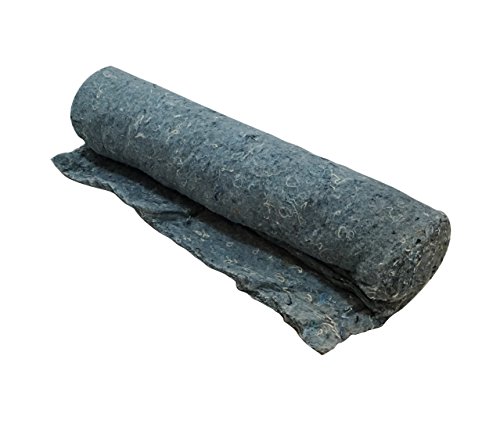
Use For Insulating, Cushioning, And Noise Dampening

Cut to size fiberglass
Layered Lighting Approaches for Compact Spaces

As you step into the world of minimalist cabin lighting, you’ll discover that layering light transforms even the smallest space into something remarkably versatile, warm, and functional.
You’ll combine ambient ceiling fixtures with task-focused under-cabinet lights and accent sconces to create overlapping pools of illumination that eliminate shadows while maintaining an open feel. Layered lighting not only enhances functionality but also adds visual depth to your space.
By choosing dimmable fixtures with adjustable color temperatures, you can shift from energizing bright light during work hours to softer, calming tones for evening relaxation.
Wall-mounted sconces preserve precious floor space in narrow halls, while vertical LED columns draw eyes upward, creating an illusion of height.
Woven rattan pendants add organic texture without cluttering your minimalist aesthetic, and partially obstructed flush-mounts deliver gentle, indirect warmth perfect for cozy bedrooms.
Rechargeable fixtures provide exceptional flexibility for adaptable task lighting, allowing you to reposition illumination throughout your cabin without the constraints of hardwiring.
Shop This Look

Upgraded Motion Sensor Under Cabinet Lights: Setting the under cabinet lights on motion sensor mode, they auto-on when human motion is detected within 120°and 10ft in a dark or low light environment, and auto-off after about 20 seconds of no motion detected. No longer have to worry about tripping on the step in the dark trying to turn on the switch

Upgraded Premium Functionality: Built-in 84 super bright LEDs, the Gritin under cabinet light is crafted with aluminum alloy and durable ABS plastic for ultimate strength and style. Setting the under cabinet lights on motion sensor mode, it features a 120° wide sensing angle and a 3M/10FT detection distance, automatically turning off after 20 seconds of no motion detected, ensuring you never fumble for switches.
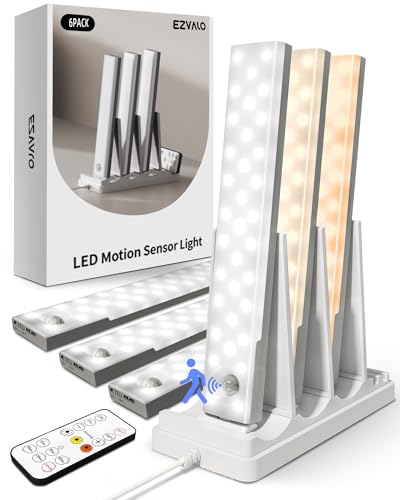
Three Modes for Every Need: The motion sensor light detects motion within 10 ft and a 120° field, automatically turning on and off after 20 seconds of no movement. [Night Motion Mode] activates in darkness or low light, perfect for late-night use—no more stumbling for the switch. [All-Day Motion Mode] works anytime motion is detected, ideal for dim areas where your main lights don't reach. [Always-On Mode] provides continuous illumination for long tasks and can also be used as a flashlight or during power outages and camping.
Warm Earth-Tone Color Schemes

Light creates mood and structure, but color shapes the emotional foundation of your minimalist cabin, anchoring every room in a sense of place that feels both timeless and deeply personal.
Warm earth tones—terracotta, sage green, burnt sienna, ochre, and mocha—draw directly from natural elements like desert clay, moss, and oxidized metals, creating atmospheres that feel grounded and authentic. Incorporating eco-friendly furniture not only aligns with your color palette but also promotes a healthier indoor environment.
Earth tones anchor minimalist spaces in natural authenticity, connecting interior palettes to the timeless materials found in clay, stone, and weathered landscapes.
Consider these proven pairings for your space:
- Brown with light beige and camel for neutral warmth
- Soft blue with brass and walnut balancing cool and warm
- Dusty pink and ochre with evergreen for relaxing depth
- Deep navy with cognac leather and ivory for sophisticated contrast
- Sandy clay walls with natural wood tones for inviting texture
These combinations soften minimalist lines while adding organic richness, transforming compact cabins into welcoming retreats. Incorporating fresh house plants alongside your chosen palette enhances the natural aesthetic and brings vitality to neutral spaces.
Curved Forms and Organic Furniture Shapes

While sharp angles and rigid geometry once dominated modern design, today’s minimalist cabins embrace a softer vocabulary of curves and organic shapes that transform stark spaces into sanctuaries of comfort and visual flow.
You’ll find archways replacing conventional doorways, curved walls guiding your movement through rooms, and bubble-shaped furniture pieces that invite relaxation. These rounded elements aren’t merely aesthetic choices—they create psychological comfort, reduce visual strain, and make compact spaces feel surprisingly expansive. Incorporating natural textures and materials enhances the inviting atmosphere of minimalist cabins, making them feel even more connected to their surroundings.
Consider incorporating sculptural coffee tables with flowing lines, sofas with generous curved silhouettes, and arched windows that frame nature while flooding interiors with light.
Natural materials like wood with visible grain complement these organic forms beautifully, while circular rugs and curvy lighting fixtures complete the harmonious effect you’re seeking. Even smaller decorative pieces like rounded mirrors adopt these gentle contours to maintain visual cohesion throughout the space.
Multi-Functional Furniture and Smart Integration

In minimalist cabin design, every square foot counts, and multi-functional furniture transforms your limited space into a dynamic environment that adapts to your changing needs throughout the day.
You’ll discover convertible pieces like sofa beds and extendable tables that shift seamlessly from workspace to dining area to sleeping quarters, while hidden compartments keep your belongings organized without creating visual clutter. Incorporating thrift store finds can add unique character while maintaining your budget.
Smart integration elevates this functionality further, embedding wireless charging pads into surfaces, incorporating voice-activated controls for lighting and temperature, and utilizing AI-driven sensors that learn your preferences over time.
Consider these essential features for your cabin furniture:
- Modular designs that reconfigure based on daily activities
- Lightweight, foldable components for easy mobility
- Embedded environmental sensors for automatic ambiance adjustment
- Vertical storage merged with seating elements
- Ergonomic adjustability supporting natural posture alignment
Incorporate warm wood tones into your multi-functional pieces to create a grounding, inviting atmosphere that counterbalances the sleek technology integrated throughout your space.
Shop This Look
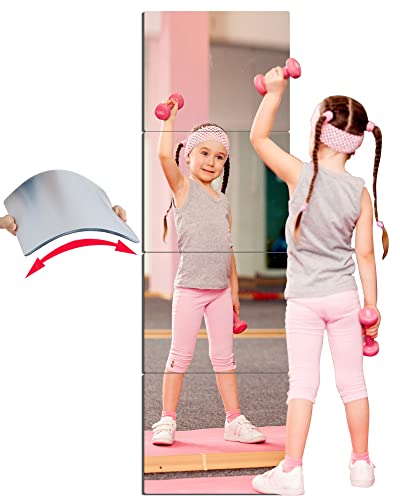
(Shatterproof mirror): Kid safe mirror is made of luxurious super thick acrylic (plexiglass plastic),Unbreakable mirror,Plexiglass soft mirror wall sticker is Non-Glass mirror,Can be bendable,with rounded corner treatment,Your children and pets can play in the mood,suit unbreakable mirror for kids and toddler mirror.

【Travel Power Strip with 2 USB C Ports】NTONPOWER travel extension cord added extra 2 USB C ports for the device. This USB C travel power strip also helps get rid of your bulky adapters, it is a perfect cruise and travel essentials must haves.Note: All the USB ports output:15.5W max.The holidays approaching, with NTONPOWER travel power strip on your trip.

[ANTI OIL& WATERPROOF]These shelf liners are waterproof and dust-proof which keeps belongings in your kitchen cabinet, fridge and drawer organized and protected from grease and spills. You can easily wipe up the mess with a mild soap and sponge or rinse them directly under water.
Wellness-Focused Design for Emotional Comfort

Warm, earthy tones like caramel, terracotta, and muted mustard wrap your spaces in comforting softness, while natural materials such as reclaimed wood, linen, and stone bring authentic tactile warmth that supports emotional balance. Layering different textures with soft blankets and plush rugs can further enhance the cozy atmosphere, creating an inviting environment for relaxation. You’ll find that rounded architectural elements, curved furniture, and arched doorways create a gentle atmosphere that counters harsh lines and reduces visual tension. Incorporate dedicated wellness zones like meditation corners with abundant natural light, spa-style bathrooms, or tech-free reading nooks where you can truly unplug and recharge, making your cabin a nurturing retreat that prioritizes your emotional comfort above all else. Consider integrating indoor-outdoor fluidity through weatherproofed relaxation areas that allow you to experience nature’s therapeutic benefits regardless of the season.
Frequently Asked Questions
What Budget Range Should I Expect for a Minimalist Cabin Project?
You should expect to invest between $25,000 and $275,000 for your minimalist cabin project, with most small designs ranging from $25,000 to $90,000.
Your costs will depend on size, materials, and construction method, typically running $50 to $500 per square foot.
Prefab options start around $60,000, while custom builds increase expenses markedly.
Plan for site preparation, permits, utilities, and a contingency fund to handle material price fluctuations throughout your construction journey.
How Do I Maintain Minimalist Design During Seasonal Decoration Changes?
Think of your cabin as a canvas that shifts with nature’s rhythms, not a museum that accumulates.
You’ll keep minimalism intact by curating just three to five meaningful seasonal pieces—a single wreath, understated garland, natural greenery—that complement your neutral foundation rather than overwhelm it.
Rotate these intentional accents in and out of designated storage, ensuring each item earns its place through beauty and purpose, creating atmosphere through thoughtful restraint instead of abundance.
What Permits Are Required for Installing Smart Home Systems in Cabins?
You’ll need electrical permits for wiring upgrades, especially when installing smart switches, outlets, or upgrading your service panel from 100 to 200 amps.
You’ll want a licensed electrician to handle permits and guarantee compliance with local codes.
Depending on your systems, you might also need HVAC licenses for smart thermostats, locksmith credentials for smart locks, and a general business license if you’re hiring installers, plus mandatory inspections after installation.
Can Minimalist Cabins Accommodate Families With Young Children Effectively?
Yes, you’ll find minimalist cabins can work beautifully for families with young children when designed thoughtfully.
Multi-functional lofts, convertible furniture, and built-in storage maximize your 350-750 square foot space while keeping clutter minimal and movement safe.
You’ll appreciate rounded edges, non-toxic materials, and child-height fixtures that protect little ones, while open layouts with indoor-outdoor flow let you supervise easily as kids explore nature right outside your door, fostering closeness and adventure.
How Often Should Reclaimed Materials Be Treated or Refinished?
You’ll want to treat reclaimed materials every 3 to 5 years for most applications, though exterior pieces need attention every 2 to 3 years due to weather exposure.
Interior wood can wait 4 to 6 years between treatments, while flooring typically requires refinishing every 7 to 10 years.
Watch for visual cues like graying, peeling, or moisture damage, which signal it’s time to act sooner and protect your investment.
Conclusion
Your minimalist cabin becomes a sanctuary where thoughtful design choices naturally align with your deepest needs for simplicity, comfort, and connection. As you incorporate vertical storage, sustainable materials, and warm lighting into your retreat, you’ll discover that these elements work together seamlessly, creating spaces that nurture both body and spirit. By embracing multi-functional furniture and organic forms, you’re not just building a cabin—you’re crafting a purposeful haven that reflects your values and supports your well-being for years ahead.


