


Fall can be magical in the garden—but also messy, right? 🍂 I made this post for anyone who wants their backyard to feel tidy, cozy, and ready for the colder months without going into full-on homestead mode. Whether you’ve got raised beds, flower borders, or just a lawn full of leaves, these cleanup tips will help you prep your space the easy way—so you can relax and enjoy autumn without the chaos.
1. Clear the Clutter

Alright, step one—grab that rake and let’s clear out the summer chaos. 🍁 You know how it goes… fallen leaves, crispy branches, plants that gave up weeks ago—all that stuff piles up fast. And if you let it sit, it becomes a cozy little motel for pests and plant diseases (no thanks!).
I like to go full fall mode with my trusty rake—it’s got this long handle so I’m not breaking my back every five minutes. I just start in one corner, zone out a little, and gather everything into these fluffy leaf piles. It’s weirdly satisfying. And hey, not only does it make the yard look like someone actually lives here, but it gives your garden a fresh start before winter rolls in. Win-win.
Remember, a spotless garden is a happy garden.
Shop This Look

SAVE MONEY: Reduce expensive trips to the groomer. Our dog shedding brush works great as a dog brush for short haired dogs & dog brush for long haired dogs. It is an absolute essential for pet supplies, dog supplies, and a dog grooming kit.
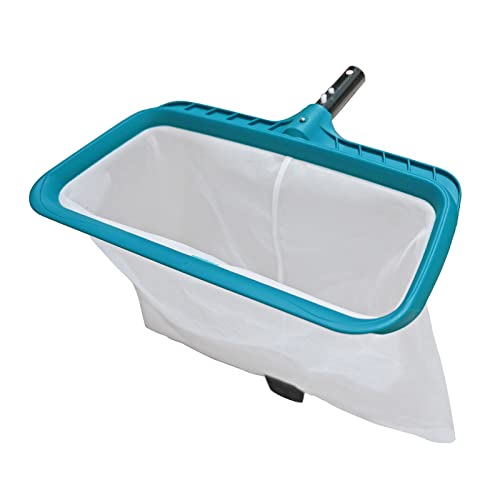
Large Capacity: 17" swimming pool leaf rake, 11" W, 14" deep net.The heavy duty lightweight plastic molded frame is safe for use in all types of pools and it won't mar pool liners

【Professional Pet Grooming Kit 】3 Pet grooming tools selected by pet lovers, which can meet daily all the grooming needs of pets. Let you, as the groomer, personally give your furry friend a shiny and healthy coat. This is a must-have beauty product set for pet lovers! The Best Dog Gifts - Merry Christmas
2. Prune and Trim

Alright, let’s talk trimming. Yep—time to give those shrubs a little fall haircut. Pruning isn’t just for the look (though it does help your garden stay Insta-worthy). It actually boosts plant health big time—chopping off dead or diseased branches helps everything breathe better and bounce back strong come spring.
Before you go Edward Scissorhands on your backyard, make sure your tools are sharp. I swear by the Fiskars bypass pruning shears—they cut like butter and don’t mangle your plants. I learned that the hard way one year when I tried pruning with a dull kitchen knife… let’s just say the bush didn’t make it.
And here’s a cozy bonus tip: toss your trimmings into your garden beds as mulch. It’s like tucking your plants in for the winter. I use Back to the Roots organic premium mulch because it keeps the soil warm and happy, especially when those surprise frosts sneak in.
Oh! And wear gloves. Trust me. I once forgot and came out looking like I fought a squirrel. These rubber-grip garden gloves are breathable, comfy, and keep your hands safe while you’re out there feeling like a pruning ninja.
3. Plant Fall Bulbs

Here’s your secret weapon for spring magic: fall bulbs. I know, it feels kinda weird planting something now when everything else is winding down. But trust me—come spring, you’ll thank your past self when those tulips and daffodils pop up like little surprises from the earth.
All you gotta do is tuck the bulbs into some well-drained soil before the first hard frost hits. Go about 6 inches deep and give them space to breathe. It’s a bit like putting nature to bed for the winter, with the promise it’ll wake up blooming.
I remember one year planting bulbs with my grandma—she handed me this tiny garlic-looking thing and said, “Stick it in the dirt and forget about it.” Months later, her whole yard was glowing in yellow and pink. Felt like magic. 🪄
So grab a bulb planter, a warm sweater, and maybe a cup of cider nearby—this is your quiet little act of hope for next season.
Shop This Look
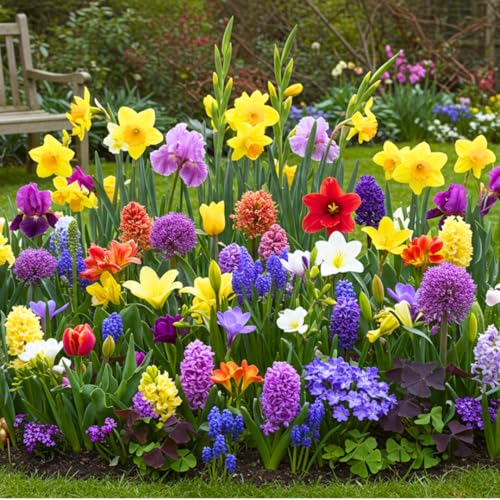
DIVERSE MIX OF FLOWERS: Get 50 Fresh Bulbs to Grow a Diverse Spring Flower Garden. Get a variation of any of the following, depending on the season, Mixed Tulips and or Yellow Daffodil, 10 Mixed Gladiolus with a mix of some or any of these seasonal favorites. Mixed Oxalis or crocus or Iris, Mixed Freesia and Lily or Amaryllis, and Mixed Allium, or chinodoxa, puschkinia shamrocks or hyacinth. A stunning blend only available online by CZ Grain.

🌻【Durable & Ergonomic Design】Ergonomically designed spring loaded handles makes bulb planter easy to use. High hardness of material makes it durable and sturdy. Bulb transplanter won't become deformed even after a long time.

COMPLETE GARDEN VARIETY: Premium collection of 55 heirloom vegetable seeds for planting with 28,000+ non-GMO seeds; Perfect for home garden, greenhouse growing, and self-sufficiency gardening; Includes diverse selection for every climate and soil condition
4. Mulch for Winter Protection

Let’s talk mulch—your garden’s cozy blanket before winter hits. 🍂 Think of it like tucking in your plants so they don’t wake up cranky in the spring. A nice layer of mulch keeps the soil warm, holds in moisture, and protects roots from frost and freeze-thaw chaos.
I used to skip this step thinking, “Eh, nature will figure it out.” Big mistake. One year, my poor strawberries looked like they’d been through a blizzard war zone by March. Learned my lesson fast.
Grab some shredded bark, straw, or even leaves from your own yard. Just keep it fluffy and a few inches thick. Bonus: it keeps weeds from throwing a spring party while you’re still in winter hibernation mode.
Trust me—your plants will high-five you in bloom form later.
5. Store or Cover Garden Furniture

Alright, it’s time for the bittersweet part of fall prep—putting away the patio furniture. I know, I know… those warm evenings under string lights feel like they just started. But unless you want to be scraping ice off your cushions come spring, it’s best to cover or store your outdoor setup now.
Here’s the thing—don’t be like me a few years ago. I got lazy and thought, “Eh, I’ll just toss an old tarp over the chairs and call it good.” Fast forward to April and those cushions were musty, stained, and smelled like wet dog. Not a cute vibe. 😅
If you can, stash furniture in a shed or garage. If not, invest in some real-deal waterproof covers that actually breathe (so they don’t trap moisture). Shake off any leaves, wipe stuff down, and stack things neatly so you’re not playing patio Tetris next year.
One last thing? I always tuck a little sachet of lavender or cedar chips under the covers. Keeps the bugs out and adds a nice surprise when spring finally rolls around.
You’ll thank yourself later—I promise.
6. Check and Repair Garden Tools

Fall is an excellent time to evaluate the condition of your garden tools. After a busy growing season, they may need some love. Start by cleaning each tool thoroughly with the Garden Tool Cleaning Kit to remove any dirt or rust. This industrial strength wood and resin remover will restore your tools to their original shine, making maintenance much easier.
For metal tools, consider applying a light coat of oil, such as Rust Preventative Oil from WD-40. This long-lasting anti-rust spray will help prevent rusting during the damp winter months, ensuring your tools are ready to go when spring arrives.
Don’t forget to inspect wooden handles for splinters or breaks; use a sandpaper or consider a Wood Handle Repair Kit to replace any damaged tips. This kit provides you with ultra-threaded tip repair options compatible with various handles, making it easy to keep your tools in good working condition.
Regular maintenance means you won’t face the hassle of dealing with broken tools when planting season arrives, ensuring a smooth start to your gardening. Plus, it’s satisfying to work with well-maintained tools! Having everything in tip-top shape makes all the difference during the busy planting season.
7. Evaluate Your Garden Design

Now is the perfect time to assess your garden layout. Did you love the color combinations? Did certain areas need more sunlight? Reflect on the season and jot down any changes you’d like to implement for next year.
Perhaps you want to add a new flower bed, move some plants around, or even introduce new varieties. To help with your planning, consider using garden design software. This tool allows you to visualize your ideas and see how different elements will work together in your space.
Additionally, sketching out your concepts can be incredibly helpful. A garden sketch pad is perfect for capturing your thoughts, making it easy to play around with layouts and designs.
If you’re looking for guidance, the garden planning guidebook offers valuable insights into creating beautiful outdoor spaces that are perfect for entertaining family and friends.
Take advantage of the fall tranquility to make a plan for improvement. Planning now means you can hit the ground running come spring, with a fresh outlook on your outdoor space. A thoughtful garden design adds to the overall beauty and functionality of your backyard.
8. Clean and Store Pots

If you’ve used pots throughout the season, it’s essential to clean them before storing away. Start by removing any leftover soil, then wash the pots with a mixture of water and vinegar to eliminate any pests or bacteria. For ease of application, a vinegar spray bottle is perfect for mixing and applying your cleaning solution without any leaks or clogs.
After cleaning, let the pots dry thoroughly to prevent mold growth. It’s helpful to consider grouping similar pots together and labeling them for easy access next spring. Using labeling tape for garden pots can simplify this organization, allowing you to quickly find what you need when it’s time to plant again.
While you clean, take the opportunity to think about new planting combinations! Remember, a clean pot is a happy pot, ready to take on new plants when the time comes. For an effective scrubbing, a garden pot cleaning brush can help ensure every nook and cranny is spotless.
9. Prepare Compost Bins

Autumn is a great time to boost your compost efforts. If you haven’t started composting yet, now is your chance! Gather fallen leaves, grass clippings, and kitchen scraps to create a rich compost mix. Make sure to balance green materials (nitrogen) with brown materials (carbon) for optimal breakdown.
To make your composting experience easier and more effective, consider using an EPICA countertop compost bin. This convenient 1.3-gallon bin is odorless and features carbon filters, making it ideal for collecting food scraps and waste right in your kitchen.
Additionally, turning your compost regularly is essential to aerate it and promote faster decomposition. A Yard Butler compost aerator is a durable tool that makes mixing your compost easy and efficient, ensuring that all materials are properly combined.
To monitor the temperature of your compost pile, a Reotemp compost thermometer can be invaluable. With its digital composting guide, you can ensure that your compost is in the ideal temperature range for effective breakdown.
Keep your compost moist but not soggy. This rich organic matter will be your gardening gold come spring, improving soil structure and fertility! Plus, composting is an eco-friendly choice that helps reduce waste and supports a healthy environment.
10. Make a Winter Care Plan

Lastly, don’t forget to plan for winter care! Some plants may need special attention as temperatures drop, so it’s helpful to create a list of plants that require covering, extra watering, or even bringing indoors. For instance, tender perennials and tropical plants should be moved inside before the first frost hits.
To assist with this, consider using garden plant covers. These reusable clear bell covers will protect your plants from frost, snails, and birds while allowing sunlight in. Having them on hand can make it easier to safeguard your more delicate plants as the cold sets in.
Additionally, if you need to move plants indoors, an indoor plant moving dolly can be a lifesaver. With its heavy-duty design and lockable wheels, you can easily transport large pots without straining your back, ensuring your plants are safely relocated before the weather turns.
Lastly, don’t overlook the need for adequate watering during winter. A watering can with measurement is perfect for precise watering in those colder months. Its long spout makes it easy to reach into pots or hanging plants, ensuring they receive just the right amount of water.
Prepare protection for areas prone to snow accumulation and wind damage. This careful planning will keep your garden healthy and thriving during the colder months. A little foresight now can mean a much more vibrant garden when it’s time to plant again!
11. Create a Seasonal Display

Transform your garden into a seasonal masterpiece by incorporating autumn-themed decorations.
Consider adding pumpkins, gourds, and colorful cornstalks to create a warm and inviting atmosphere that celebrates the fall season. Strategically place these elements in your garden or on your porch to enhance the natural beauty of your outdoor space while showcasing your personal style.
Additionally, use string lights or lanterns to illuminate these displays during the early evenings, creating a cozy ambiance for gatherings with friends and family. Emphasizing the seasonal charm not only elevates your garden’s aesthetic but also invites a sense of joy and celebration as the days grow shorter.
12. Harvest and Preserve

As the growing season comes to a close, take a moment to harvest any late-season fruits and vegetables before the frost arrives.
Celebrate your hard work by gathering the bounty of your garden, whether it’s plump tomatoes, crisp apples, or vibrant peppers. This is not just about enjoying fresh produce; it’s also an opportunity to preserve them for the colder months ahead.
Consider canning, freezing, or drying your harvest to ensure you can enjoy the flavors of your garden long after the last leaves have fallen. This practice not only reduces food waste but also allows you to savor the taste of summer even as winter sets in, making each dish a delightful reminder of your gardening success.
13. Set Up a Bird-Friendly Space

Enhance the natural ecosystem of your garden by creating a bird-friendly environment this fall.
Install bird feeders filled with seeds, suet, or nuts to attract various species, providing them with a reliable food source as they prepare for migration or winter. Incorporate birdbaths and nesting boxes to ensure that your feathered friends have a safe and welcoming place to visit throughout the colder months.
By fostering this connection with nature, not only do you contribute to local wildlife conservation, but you also enjoy the delightful sights and sounds of birds in your garden. This added dimension to your outdoor space enriches your gardening experience, making it a sanctuary for both plants and animals alike.
14. Plan for Next Year’s Garden

As the season winds down, take this opportunity to envision your garden for next year.
Reflect on what worked well and what didn’t, jotting down ideas for new plants, layouts, or features you’d like to implement. Consider creating a vision board with images from magazines or Pinterest to visualize your goals, inspiring you as you prepare for the next growing season.
This proactive approach not only keeps the excitement of gardening alive but also helps you make informed decisions come spring. A well-thought-out plan means you can curate a garden that reflects your evolving tastes and embraces the beauty of nature in a way that feels uniquely yours.
Conclusion

As you wrap up your seasonal garden prep, each small effort contributes to the beauty and health of your backyard.
Embrace these fall tips to ensure a vibrant garden in the spring. From clearing clutter to planning for winter, these tasks create a solid foundation for future growth.
Feel free to share your garden prep stories or tips in the comments below—we’d love to hear how you prepare for the changing seasons!
Note: We aim to provide accurate product links, but some may occasionally expire or become unavailable. If this happens, please search directly on Amazon for the product or a suitable alternative.
This post contains Amazon affiliate links, meaning I may earn a small commission if you purchase through my links, at no extra cost to you.


