


You’ll transform your living space into an organized sanctuary by tackling fall decluttering systematically. Start with seasonal shifts—summer items that won’t see use until next year create unnecessary visual noise. You can’t maintain a peaceful home environment when damaged items and expired products occupy valuable real estate. The key lies in creating distinct categories for every possession you encounter, but there’s a specific order that’ll maximize your efficiency and prevent you from feeling overwhelmed.
Key Takeaways
- Sort summer clothing into keep, donate, and discard piles, storing keepers in under-bed storage containers.
- Remove broken appliances, damaged furniture, and water-damaged items that create visual clutter throughout your home.
- Inspect stored bedding for damage and replace with seasonal wool or fleece options for colder months.
- Evaluate fall decorations by keeping versatile pieces and discarding broken or outdated holiday items.
- Organize kitchen pantry by checking expiration dates and grouping similar items at accessible eye level.
Sort Through Summer Clothing and Footwear

As temperatures drop, it’s time to tackle your summer wardrobe with a systematic approach.
Start by removing all summer clothing and footwear from your closet. Create three piles: keep, donate, and discard.
Evaluate each item honestly—if you didn’t wear those summer trends this season, you likely won’t next year. Focus on retaining versatile clothing essentials that fit well and remain in good condition.
Donate items with remaining life to local charities. Discard worn-out pieces beyond repair.
This methodical process creates valuable storage space for fall and winter garments while maintaining an organized, functional wardrobe system. Additionally, consider utilizing under-bed storage to maximize space for your seasonal clothing.
Shop This Look

【Extra Heavy Duty】Made of upgraded 180 GMS extra thick coated PE fabric, Fygrip moving bags with fully wrap around handles, strong zipper and reinforced stitching promise to safely hold more than 65 lbs loading.

1.Military-Grade Durability Crafted with 210GSM reinforced PE-coated fabric, tested to withstand 65+ lbs of weight and 10,000+ zipper cycles. Triple-stitched handles prevent tearing during rough transport

【80% Space Save】: Pack-Seal-Vacuum, with these 3 easy steps, Fygrip vacuum storage bags help you save 80% storage space. They are the game changer for storing your beddin, blankets, clothing and more.
Identify and Remove Damaged Household Items

Broken items throughout your home create visual clutter and consume valuable storage space without serving any functional purpose. You’ll free up significant space by systematically identifying and removing damaged furniture, broken appliances, and irreparable household goods. Additionally, tackling this task will help you transform your space into a more organized and serene environment.
| Room | Common Damaged Items | Action |
|---|---|---|
| Kitchen | Broken appliances, chipped dishes | Dispose immediately |
| Living Room | Damaged furniture, torn cushions | Repair or replace |
| Garage | Cracked tools, punctured items | Evaluate repair costs |
| Basement | Water-damaged boxes, rusty equipment | Remove promptly |
Walk through each room methodically. If something’s beyond reasonable repair or hasn’t been fixed after six months, it’s time to let it go.
Inspect and Refresh Your Bedding Collection

Most households store heavy blankets, comforters, and seasonal linens during warmer months, making fall the perfect time to inspect these items for damage before bringing them back into rotation.
Check stored bedding for mold, mildew, or tears that developed during storage. Discard anything that’s beyond repair or poses health risks. These bedding maintenance tips guarantee you’re only keeping quality items that’ll serve you well. Consider your seasonal fabric choices carefully—wool and fleece work better for colder months than lightweight cotton. Additionally, ensure that your bedding storage area is well-draining and nutrient-rich to prevent moisture buildup and protect your linens.
Replace damaged items immediately and donate bedding that’s still functional but no longer needed.
Update Your Seasonal Decorations

Why keep Halloween decorations from five years ago that you’ll never use again? Fall brings new opportunities to refresh your space with current autumn color schemes and festive table settings. A decluttered space can enhance your overall well-being and make your seasonal decorations more enjoyable to display.
Sort your seasonal items systematically:
| Category | Keep | Donate/Discard |
|---|---|---|
| Halloween | Used last year | Broken/outdated items |
| Thanksgiving | Quality pieces | Duplicate serving dishes |
| General Fall | Versatile decor | Faded/damaged items |
| Storage | Sturdy containers | Torn boxes |
Create three piles: keep, donate, and trash. Focus on versatile pieces that work across multiple holidays. Replace worn items with fresh decorations that complement your home’s style and current autumn color schemes.
Shop This Look
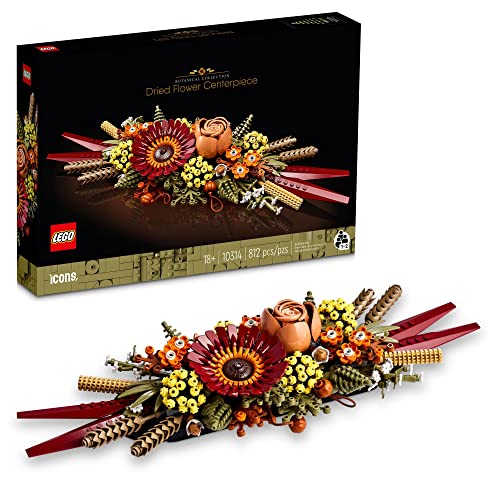
Cultivate Creativity – Build and display a beautiful LEGO Icons Dried Flower Centerpiece (10314) with this mindful building project for adults. Inspire creativity and imagination with this unique flower kit.

AMPLE STORAGE SPACE: Answer all your storage needs with 2 cubbies, 5 makeup shelves, and dedicated spaces like 36 necklace hooks, 98 ring slots, 120 earring hooks, 60 stud holes, and a bracelet rod!

IDEAL MOOD LIGHTS: Each rope light has 150 SMD 3528 LEDs (1.4in spaced), The crystal-clear flat PVC jacket ensures that the most substantial and real light cast and glowing. The white light makes your loving places bright, clean and elegant, perfect for decorating cabinet, bedroom, living room, balcony, pergola, garden, etc.
Organize and Clean Your Kitchen Pantry

As you tackle your fall decluttering goals, your kitchen pantry deserves focused attention since it’s likely harboring expired items and creating inefficient storage patterns.
Start your food inventory by checking expiration dates on canned goods, spices, and packaged items. Remove anything past its prime and dispose of it properly.
Next, group similar items together and assess what you actually use regularly. Effective pantry organization involves placing frequently used items at eye level and storing seasonal ingredients accessibly. Implementing the Four-Box Method can help you efficiently decide what to keep and what to discard.
Clear containers help you see quantities at a glance, preventing duplicate purchases and maintaining your newly streamlined space.
Tackle Storage Areas and Closets

Three key areas demand your immediate attention when decluttering storage spaces: bedroom closets, linen closets, and utility areas.
Start by removing everything from each space completely. Sort items into keep, donate, and discard piles. Check for damaged clothing, expired medications, and broken household items.
Install storage solutions like shelf dividers and hanging organizers to maximize vertical space. Focus on closet organization by grouping similar items together and using clear containers for smaller accessories. Consider utilizing under-bed storage to keep seasonal items neatly tucked away.
Store out-of-season items in labeled bins on higher shelves. You’ll create functional spaces that make finding items effortless while maintaining long-term organization throughout fall.
Prepare Your Outdoor Spaces for Winter

After organizing your indoor storage spaces, shift your attention to outdoor areas that need winterization and decluttering.
Start your garden maintenance by removing dead plants, broken tools, and worn-out hoses. Sort through potting supplies and discard cracked containers or expired fertilizers. Consider taking inventory of your essential gardening tools to ensure you have what you need for spring.
Clean and store patio furniture properly—donate pieces you won’t use next season. Drain outdoor water features and remove damaged decorations.
Check your shed or garage for items that won’t survive winter storage. Remove anything broken, rusted, or beyond repair.
This systematic approach creates organized outdoor spaces while preventing spring cleanup headaches when warmer weather returns.
Create Donation Piles and Schedule Pickups

Once you’ve gathered items from your indoor and outdoor decluttering sessions, organize them into clearly labeled donation piles by category—clothing, household goods, books, and seasonal items. Research local donation locations that accept your specific items, as some organizations have restrictions. Schedule pickup services with charities like Goodwill or Salvation Army to eliminate transportation hassles. Many nonprofits offer free home pickup for large donations. Contact them at least a week in advance to secure your preferred time slot. Keep donation receipts for tax deductions and make sure items are clean and in acceptable condition before pickup day arrives. Additionally, consider donating cozy knit blankets and other fall decor items that may not fit your seasonal style anymore.
Frequently Asked Questions
How Often Should I Declutter My Home Throughout the Year?
You should declutter seasonally—four times yearly for maximum seasonal decluttering benefits. This decluttering frequency guide guarantees you’re systematically addressing changing needs, maintaining organization efficiently, and preventing overwhelming accumulation throughout your home.
What Should I Do With Sentimental Items I Can’t Decide About?
Create a designated memory box for sentimental storage. Set a size limit and only keep items that fit. If you’re still unsure, store questionable pieces separately and revisit them next season.
How Do I Motivate Family Members to Participate in Decluttering?
Implement family engagement strategies by assigning specific rooms to each member and setting clear deadlines. Create team decluttering activities like donation races or before-and-after photo challenges to make the process competitive and rewarding.
Should I Declutter Room by Room or by Item Category?
Like choosing your battle plan, you’ll find the room strategy works best for fall decluttering. Tackle one space completely before moving forward. The item approach scatters your focus and slows progress considerably.
How Long Does a Typical Whole-Home Fall Decluttering Session Take?
A whole-home fall decluttering session typically takes 2-3 weekends. You’ll save time using effective decluttering tips like tackling one category daily. Smart time management involves setting 2-hour blocks for sustained focus and efficiency.
Conclusion
You’ve completed your fall decluttering, but here’s the striking reality: Americans accumulate 147 pounds of clothing annually, yet wear only 20% of their wardrobe regularly. By systematically sorting through each area—clothing, damaged items, bedding, decorations, pantry, storage spaces, and outdoor areas—you’ve broken this cycle. You’ve created functional systems that’ll prevent future accumulation. Schedule your donation pickups immediately to complete the process. You’ve transformed your space into an organized, efficient environment that’s ready for fall’s cozy season ahead.


