


You’ll need five core systems to run your off-grid cabin independently: water collection with rainwater tanks and portable filters, solar panels paired with battery storage for electricity, wood or propane stoves for heating and cooking, composting toilets combined with greywater recycling for waste management, and food preservation through canning, dehydration, and root cellar storage. Each system works together to create a self-sufficient setup that doesn’t rely on municipal services or utilities. The sections below break down how to implement and maintain these essential components.
Key Takeaways
- Install rainwater collection systems with storage tanks and filtration to provide reliable water supply independent of municipal sources.
- Deploy solar panels with battery storage to generate and store electricity for lighting, appliances, and essential devices.
- Use wood stoves or propane systems for heating and cooking to maintain comfort and prepare meals year-round.
- Implement composting toilets and greywater recycling systems to manage waste without septic or sewer connections.
- Preserve food through canning, dehydration, and root cellars to maintain long-term food security without refrigeration dependency.
Water Collection and Purification Systems for Year-Round Independence
When you’re building or maintaining an off-grid cabin, establishing a dependable water collection and purification system ranks among your most critical priorities for long-term survival and comfort.
Start by installing rainwater collection systems on your roof, directing runoff into storage tanks that’ll provide year-round access. Battery-powered pumps can transport this collected water throughout your cabin for drinking, cooking, and daily tasks.
Roof-mounted rainwater collection systems paired with battery-powered pumps deliver consistent water access for all your essential cabin needs.
You’ll need portable water filters or filtration system components to purify rainwater before consumption, ensuring it’s safe from contaminants.
Consider adding greywater systems to recycle sink and shower water for irrigation or toilet flushing, reducing waste considerably.
Always keep a backup manual pump available for emergency situations when equipment fails, guaranteeing you’ll maintain water collection capabilities under any circumstances.
Shop This Look

Collect and Recycle Rainwater. Designed for 3"x4" oversize downspout, which also accommodates 2"x3" standard downspouts. This rainwater diverter effectively directs rainwater from a downspout into a rain barrel, making it a great choice for your garden

Enhanced Filtering System:Say goodbye to clogged rainwater collection systems! Our system is equipped with a removable filter window and filter net, allowing for easy cleaning of debris and residue, ensuring crystal-clear rainwater collection.

Collect and Recycle Rainwater. This downspout diverter is designed for 2"x3" standard downspouts. This rainwater diverter effectively directs rainwater from a downspout into a rain barrel, making it a great choice for your garden
Off-Grid Power Solutions That Keep Your Cabin Running

After securing your water supply, you’ll need to establish a dependable power system that’ll keep your cabin functional throughout every season.
Solar panels paired with battery storage deliver the most reliable off-grid electricity for lighting, appliances, and essential devices. A high-capacity solar generator combines battery storage, inverter, and charge controller into one manageable unit, simplifying your power setup considerably.
Choose Lithium Iron Phosphate batteries for their superior safety and longevity, providing over 3,000 charge cycles before replacement becomes necessary.
Install portable solar panels for weekend trips, offering lightweight mobility to capture ideal sun exposure, while fixed panels work better for permanent installations.
Smart monitoring systems let you track power usage and battery status in real-time, helping you manage your energy resources efficiently and prevent unexpected outages.
Shop This Look
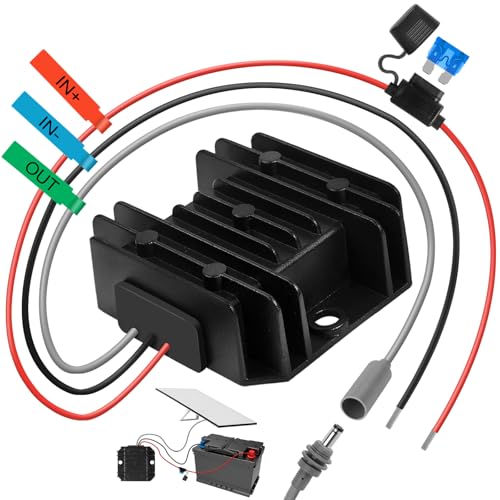
✅Precision Power for Starlink Mini: 9-28V Input to Rock-Solid 30V/3.5A Output. This Starlink Mini 12V Adapter delivers military-grade voltage stability, converting noisy 12V/24V truck/RV/battery inputs into optimized 30V power that outperforms satellite signal dropouts.

Reliable Voltage Conversion: The Victron Energy Orion-Tr DC to DC Converter converts power from one DC voltage level to another, ensuring stable and consistent output to protect your sensitive devices.
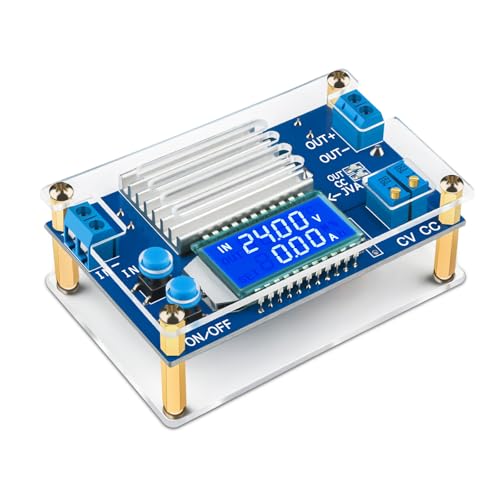
【Parameter】 DROK Power Supply Module input volt range is DC 5.3-32V; Output volt range is DC 1.2-32V which is variable. Output current can reach to 8A and Output Power can reach to 120W for long-time use. If enhance heat dissipation, this converter can reach 12A and 160W output.
Heating and Cooking Without Traditional Utilities

Your off-grid cabin needs a heating and cooking strategy that’ll keep you warm and well-fed without depending on electric or gas utilities.
Wood stoves deliver dual functionality, providing both heating for your living space and a cooking surface for preparing meals. You’ll maintain comfort and independence when you establish these core systems:
- Install a wood stove or wood cookstove as your primary heating source, which doubles as a reliable cooking platform during cold months.
- Add a propane cook stove for clean-burning, efficient cooking when wood-fired cooking isn’t practical.
- Consider solar-powered hot plates for supplemental cooking during sunny days, reducing fuel consumption.
- Stock sufficient wood or propane supplies to guarantee uninterrupted heating and cooking year-round.
- Improve insulation throughout your cabin to maximize heating efficiency and minimize fuel requirements.
Like pothos plants that thrive with proper light exposure, your off-grid systems require careful placement and monitoring to function optimally.
Shop This Look

OVEN MITT: Comes with 1 machine washable, hot surface handler Ove Glove

Excellent Structural Design: The rocket stove leverages its well-engineered structure to create a chimney effect—hot air rises, drawing in more cold air from the bottom. This boosts combustion efficiency significantly and delivers a much more powerful flame

𝑪𝒂𝒔𝒕 𝑰𝒓𝒐𝒏 𝑪𝒐𝒐𝒌𝒘𝒂𝒓𝒆 𝑺𝒆𝒕: The Kitchen Academy 7 Pcs Induction Cookware Sets Include 9.5" fry pan / 3 quart wok with lid / 1.5 quart saucepan with lid / 5 quart casserole with lid
Waste Management Systems That Work Off the Grid

Three essential waste management systems form the foundation of successful off-grid living, each addressing different aspects of cabin sanitation while protecting the environment.
A composting toilet converts human waste into nutrient-rich compost without using water or electricity, eliminating the need for traditional plumbing systems. You’ll need to empty it every 3-6 months and add carbon materials like sawdust after each use.
Greywater systems recycle wastewater from sinks and showers for irrigation, reducing waste energy while following local regulations. Install a simple filtration system using biodegradable soaps to prevent soil contamination.
Greywater systems transform household wastewater into irrigation resources while protecting the environment through proper filtration and biodegradable products.
Rainwater harvesting complements these systems by providing water for outdoor use. Regular maintenance, including monitoring greywater flow and checking compost levels, guarantees long-term efficiency and environmental protection.
Shop This Look

🌿 YOU’RE JUST ONE FLUSH AWAY FROM A HEALTHY SEPTIC SYSTEM! Our monthly easy flush dissolving packets are specially formulated to help break down waste and maintain a properly functioning septic system. This is the easiest and most efficient way to prevent expensive septic tank backups and drain field repairs. Just flush one packet down your toilet each month!

Coco Coir Growing Medium: This low EC, PH balanced biodegradable soil is made from crude fiber extracted from the husk on coconut husks, 100% organic, natural and sustainable, a traditional soil alternative, it can take your gardening and planting efforts to a new level; 10 Pack, each brick is: 8 x 4 x 2 inches, weight appr.1.4 lb

Pre-Rinsed & Pre-Screened Coco Coir - Every block of our coconut fiber substrate has been screened multiple times through an extremely small filter to get rid of any traces of fiber, sand, and rocks. This is what sets our coco coir apart, giving you pure and clean coco coir for plants, unlike others who don’t filter their coco coir for impurities.
Food Preservation and Storage for Self-Sufficient Living

While fresh food spoils quickly without refrigeration, mastering preservation techniques transforms your off-grid cabin into a year-round pantry that supports true self-sufficiency.
You’ll need proper food storage systems that work without electricity, combining traditional methods with modern solutions.
Effective preservation methods for off-grid living include:
- Canning fruits, vegetables, and meats in mason jars extends shelf life by months or even years.
- Dehydrating foods removes moisture, preventing bacterial growth and reducing storage space requirements.
- Fermenting vegetables like sauerkraut and pickles creates probiotics while preserving nutrients.
- Using airtight containers with gamma seal lids protects dried goods from moisture and pests.
- Installing a root cellar maintains ideal temperatures for storing fresh produce throughout winter.
You’ll also benefit from a propane-powered refrigerator for items requiring cold storage, ensuring reliable preservation year-round.
Before starting any food storage project, consulting DIY manual resources like The Complete Do-It-Yourself Manual can provide comprehensive guidance on building proper shelving and storage solutions for your preserved goods.
Frequently Asked Questions
What Are Common Off-Grid Cabin Mistakes?
You’ll face problems if you underestimate your water supply needs, skimp on insulation, or choose power-hungry appliances that drain your solar batteries.
Many cabin owners forget proper waste management systems like composting toilets, which creates sanitation issues.
Relying only on solar power without backup options leaves you vulnerable during cloudy periods.
Poor planning for food storage, heating fuel supplies, and emergency water reserves can compromise your independence and comfort year-round.
Why Is Living Off-Grid Illegal?
Living legally off-grid isn’t actually illegal in most places, but you’ll face specific regulations regarding building codes, zoning laws, and waste management.
You must obtain proper permits for construction, septic systems, and water sources to stay compliant. Some areas restrict wood-burning stoves due to air quality concerns.
Research your local laws thoroughly before starting your off-grid journey to avoid fines or forced removal.
What Is the Best Power System for Off-Grid Living?
You’ll want a combination of solar panels, a battery storage system, and a charge controller to manage energy flow efficiently.
Lithium Iron Phosphate (LiFePO₄) batteries work best because they’re safe, last over 3,000 charge cycles, and perform well in confined spaces.
A high-capacity power station serves as your central hub, integrating the battery, inverter, and charge controller while providing multiple connection ports for AC outlets, DC ports, and USB charging.
How to Supply Power to Off-Grid Cabins?
Like water flowing to the roots of a tree, power flows to your cabin through solar panels and battery banks.
You’ll need solar panels to capture sunlight, a charge controller to regulate voltage, lithium iron phosphate batteries to store energy, and an inverter to convert DC to AC power.
Add a monitoring system to track usage, and consider wind turbines in breezy areas for backup generation during cloudy days.
Conclusion
Your off-grid cabin’s independence hinges on these five interconnected systems working together seamlessly. You’ve learned the technical requirements, equipment specifications, and practical steps needed for implementation. Now comes the critical question: will you take action to build these systems before you need them, or wait until you’re struggling without power, water, or heat? The choice determines whether you’ll thrive off-grid or simply survive. Start planning today.


