


Home should feel like a sanctuary, but for many, it’s more like a cluttered maze. Busy lives often lead to overwhelming piles of stuff, leaving us feeling lost in our own spaces. The secret to a peaceful home isn’t just about organizing what you have; it’s time to rethink the process.
Understanding the difference between decluttering and organizing is crucial. Many jump straight to organizing without first addressing the excess items. This article explores how decluttering first can transform your home and life, showcasing practical strategies to make your space work for you. Get ready to reclaim your sanctuary with these easy-to-follow tips and tricks!
1. Clear the Clutter First

Before diving into organizing, the first step is always decluttering. This means going through your belongings and deciding what truly brings you joy or serves a purpose.
Start with one room or area at a time. Ask yourself questions like, ‘Have I used this in the past year?’ or ‘Does this item make me happy?’ It’s amazing how many things we hold onto out of habit rather than necessity.
To help with decluttering, consider setting a timer for 15 minutes to avoid feeling overwhelmed. Creating three boxes—keep, donate, and toss—can streamline the process. You might also find it useful to grab some storage bins for this task. These heavy-duty containers are perfect for sorting through your items, making it easier to decide what to keep and what to let go.
Be ruthless! Remember, the goal is to keep only what matters. When decluttering, the space will naturally feel lighter and more open. This makes organizing simpler, as you have fewer items to arrange and can create a more intentional setup. If you’re unsure of how to approach this process, the book the sentimental person’s guide to decluttering can provide valuable insights and motivation to help you through.
2. Understand the Difference

Decluttering and organizing aren’t the same thing; understanding their differences is key. Decluttering is about removing items, while organizing focuses on arrangement.
When organizing, you might find yourself shoving more things into cupboards or drawers, thinking it looks neater. But if those items aren’t truly needed, you’re just masking the issue. To effectively tackle both processes, consider some helpful tools.
Start with decluttering to reduce stress by simplifying your environment. A great resource for this is the Sentimental Person’s Guide to Decluttering, which can guide you through the emotional aspects of letting go of items you no longer need.
Once you’ve decluttered, organizing becomes much simpler. It saves time by making frequently used items accessible and ensuring a more efficient space. For this, IRIS USA 19 Qt stackable plastic storage bins with lids provide a clear and durable solution for storing your items neatly. Their see-through design lets you quickly locate what you need without rummaging through cluttered drawers.
Additionally, using a Brother P-Touch label maker can enhance your organizing efforts. By labeling storage bins and shelves, you’ll create a designated spot for everything, making it easier to maintain an organized space.
Consider keeping a mix of what you love and need while ensuring that everything has its designated spot. This balance is what creates an inviting, workable space, allowing both decluttering and organizing to work hand in hand effectively.
3. Create a Decluttering Schedule

Creating a decluttering schedule can significantly improve your consistency and effectiveness. Instead of overwhelming yourself with one massive clean, try breaking it down into manageable chunks.
Set aside specific time slots each week to tackle a room, closet, or even a drawer. Choose a day and time that works best for you, whether it’s a weekend or a weekday evening. To make it a fun family activity, get everyone involved in the process. You might want to use a decluttering checklist notepad to keep track of what areas you’ve completed. This visual reminder can help you stay organized and focused, making the task feel less daunting.
Creating a visual timeline can be motivating as you see your progress unfold. To store items effectively as you declutter, consider using storage bins set for a well-organized space. These stackable bins are perfect for keeping your newly organized areas neat and tidy. Plus, rewarding yourself after completing each section with a treat or a little relaxation time can further reinforce the habit of decluttering, making it feel less like a chore and more like a personal victory.
4. Keep Only What Sparks Joy

Marie Kondo’s philosophy of keeping only items that spark joy is incredibly liberating. Think of it as a joyful inventory of your belongings, where each piece should contribute positively to your life.
When going through items, hold them and think about how they make you feel. If it doesn’t evoke happiness or utility, it’s time to let go. To help with this process, consider utilizing storage bins. These clear, stackable plastic containers are perfect for organizing your favorite items while minimizing clutter. With their durable design and secure pull handles, they allow you to see what you have, making it easier to focus on the items that truly bring you joy.
Here are some tips to apply this philosophy:
– Focus on one category at a time—clothes, books, kitchen items.
– Don’t just look for items to throw away; seek out things that make you smile.
– Use donation bags to easily collect items you’re ready to part with. These extra large moving bags with strong zippers are ideal for transporting your donations, fostering joy for others too.
This approach not only minimizes clutter but also transforms your space into a personal reflection of who you are.
5. Use Smart Storage Solutions

Once you’ve decluttered, it’s time to think about how to organize what remains. Smart storage solutions can make a world of difference in keeping your space tidy.
Investing in multi-functional furniture, like a SONGMICS MAZIE collection – storage ottoman, can maximize your space effectively. This ottoman not only serves as a footrest or an end of bed bench but also provides ample storage for blankets or other items you want out of sight.
Additionally, consider incorporating BAYKA floating shelves into your home. These wall-mounted rustic wood shelves are perfect for displaying decor while saving valuable floor space. They can effortlessly turn your wall into a functional storage area for books or decorative items.
For smaller belongings, Lifewit drawer dividers are a fantastic solution. These adjustable organizers fit in dressers and drawers, helping to keep everything sorted yet accessible. By categorizing your smaller items, you can maintain a streamlined aesthetic throughout your space.
These clever storage options help ensure everything has its place, making it easier to keep your home organized and tidy.
Shop This Look

Water-Proof Material: The Hoedia Drawstring Backpack is perfect for gym and swim enthusiasts as it is made of durable water-resistant oxford cloth, keeping your belongings safe and dry

【Sturdy & Comfortable】: This storage ottoman bench is supported by thick MDF panels for excellent stability. The top is filled with high-density foam and covered with stylish gray linen fabric, ensuring both comfort and breathability. Ottoman bench can support a static weight of up to 660 pounds.

【Products included】 One multifunctional storage bag, three rolls of cleaning bag, One foldable potty.This portable toilet is easy to fold, it is very small after folding. can be put in a travel bag as a travel potty. It can also be carried in a stroller or car as an emergency toilet. No matter where you go, you don’t have to worry about finding public toilets.
6. Mindful Purchasing Habits

To prevent clutter from creeping back into your life, focus on being intentional with your purchases. This means thinking critically about every item you bring into your home.
Adopt these mindful habits:
– Ask yourself if you really need an item before buying it. Will it genuinely improve your quality of life?
– Create a waiting list for non-essentials to avoid impulse buys.
– Consider the longevity and usefulness of an item before purchasing.
For example, when shopping for groceries, consider using reusable shopping bags. Not only are they environmentally friendly, but their large capacity and heavy-duty design will help you reduce the need for single-use plastic bags, making your shopping experience more sustainable and organized.
In addition, investing in storage bins with lids can greatly assist in maintaining order at home. These clear, stackable containers allow you to see your items at a glance, making it easier to decide what to keep and what to let go. This way, your home can remain a haven instead of a storage unit for items you don’t love or need.
By adopting these habits along with practical products, you can create a more mindful purchasing approach that keeps clutter at bay.
7. The One In, One Out Rule

To maintain the balance you’ve created, embrace the ‘one in, one out’ rule. This simple principle stipulates that for every new item you bring into your home, something else should go out.
This practice encourages mindful shopping and helps keep clutter at bay. When you purchase a new item, take a moment to identify an equivalent item to donate or discard. Having the right tools can make this process easier. For example, using donation bags can simplify your efforts to sort and transport items you’re letting go of. These extra large moving bags are designed with strong zippers and carrying handles, making it easy to pack up your donations or items to discard.
Additionally, consider using storage bins to keep your remaining belongings organized. These stackable plastic storage bins are perfect for tidying up your space while ensuring that everything has a designated home. Their see-through design allows you to find what you need easily, preventing the accumulation of clutter.
The benefits of the one in, one out rule include:
– Maintaining a manageable amount of belongings.
– Making room for things that are truly valuable.
– Creating a continuous cycle of decluttering.
By establishing this habit of thoughtful living and incorporating the right organizational tools, you can pave the way for a more organized and intentional home.
8. Create a Functional Layout

The way you arrange your furniture and belongings can greatly impact how your space feels and functions. Focus on creating a layout that promotes flow and accessibility.
Consider the purpose of each room and how you move through it. Ensuring that items you use daily are easy to access is key. For instance, positioning seating to encourage conversation and accessibility can create a welcoming environment. To help define spaces and add warmth, consider using an area rug to delineate areas and create cozy nooks.
Additionally, incorporating storage solutions can enhance your layout. An adjustable shelving unit can help keep larger items toward the back while allowing smaller ones to remain accessible in the front, facilitating easy access to daily essentials.
If you’re looking for multi-functional pieces, a multi-functional coffee table can serve as both a surface for coffee and a dining option, maximizing usability in your living space.
A functional layout not only makes your space look organized but also enhances its usability.
9. Involve Your Family

If you live with others, it’s important to involve everyone in the decluttering and organizing process. A home is a shared space, and collaboration can lead to a more cohesive environment.
Start family meetings to discuss what needs to be decluttered and make it a fun event! You can use a tool like our big family meeting book to plan these gatherings. This planner helps keep everyone on the same page and fosters a sense of appreciation and togetherness.
Inspire your family to share what they love and what could go. Assign tasks based on age and capability, making it a collaborative effort. To motivate the younger members, consider incorporating a reward chart for kids. This chart includes star stickers that can make participation feel like a fun game, encouraging them to engage actively in the process.
Set clear expectations that everyone is responsible for keeping their own spaces tidy. Collaboration nurtures accountability, and together, you can create a harmonious environment that everyone enjoys.
10. Reflect and Revise Regularly

Decluttering and organizing aren’t one-time activities; they’re an ongoing process. To keep your space feeling fresh and functional, set regular check-ins, perhaps every season, to evaluate your home and see what’s working and what’s not.
Take a moment to reflect on:
– What items you no longer use or need. This is a great opportunity to utilize storage bins. Storing items in clear, stackable plastic storage bins can help you visualize what you have and make it easier to identify what can be removed or donated.
– Any new habits or items that have disrupted your organization efforts. A label maker can assist you in maintaining order. By labeling storage containers or shelves, you can easily find what you need and keep clutter at bay.
– How you feel in your space and what changes could enhance that feeling. Consider using a guide like the decluttering guide book, which provides a step-by-step approach to declutter and organize your home room by room. It can be a valuable tool to help you reflect on your space and make informed decisions about your belongings.
By regularly revising your space, you can adapt to life changes and keep your home a true reflection of who you are.
11. Embrace Minimalism

Minimalism is more than just a trend; it’s a lifestyle choice that encourages simplicity and intentionality. By adopting a minimalist mindset, you can significantly reduce the clutter in your life, allowing for greater focus on what truly matters. Consider curating a selection of your favorite items that bring beauty and utility into your space, while letting go of unnecessary possessions that weigh you down.
This approach not only creates a cleaner aesthetic but also fosters a sense of peace and clarity in your home. A minimalist environment can help to alleviate stress, as fewer items mean less distraction and more room to breathe. To visualize this concept, imagine a serene, uncluttered room with just a few carefully chosen decorations that reflect your style and personality, creating an inviting and harmonious atmosphere.
12. Utilize Vertical Space

Maximizing vertical space is an effective strategy for keeping your home organized while making the most of every square inch. By thinking vertically, you can transform walls into functional storage areas, freeing up valuable floor space. Wall-mounted shelves, hooks, and pegboards can showcase your favorite items while keeping them easily accessible.
This not only enhances organization but also adds a decorative element to your room. Picture a vibrant kitchen with open shelving displaying colorful dishes and cookbooks, or a stylish entryway featuring a pegboard for hanging bags and hats, all while maintaining a clean and inviting look. Emphasizing height in your decor adds depth and interest to your space, proving that even small homes can feel spacious and stylish.
Shop This Look
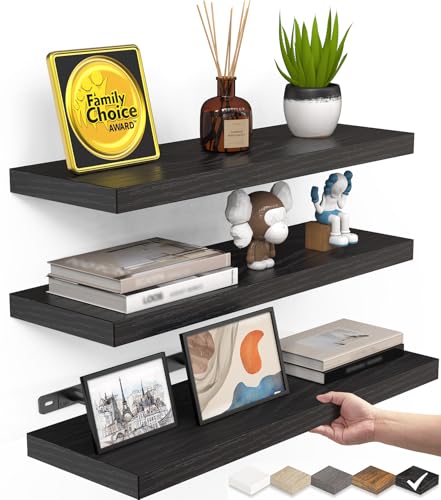
𝐌𝐨𝐝𝐞𝐫𝐧 & 𝐌𝐢𝐧𝐢𝐦𝐚𝐥𝐢𝐬𝐭 𝐒𝐭𝐲𝐥𝐞 – Featuring a 𝐜𝐥𝐞𝐚𝐧, 𝐬𝐞𝐞𝐤 𝐥𝐨𝐨𝐤 𝐛𝐲 𝐢𝐧𝐯𝐢𝐬𝐢𝐛𝐥𝐞 𝐛𝐫𝐚𝐜𝐤𝐞𝐭, these floating shelves 𝐛𝐥𝐞𝐧𝐝 𝐞𝐟𝐟𝐨𝐫𝐭𝐥𝐞𝐬𝐬𝐥𝐲 𝐰𝐢𝐭𝐡 𝐦𝐨𝐝𝐞𝐫𝐧, 𝐟𝐚𝐫𝐦𝐡𝐨𝐮𝐬𝐞, 𝐨𝐫 𝐜𝐥𝐚𝐬𝐬𝐢𝐜 𝐡𝐨𝐦𝐞 𝐝𝐞𝐜𝐨𝐫, 𝐚𝐝𝐝𝐢𝐧𝐠 𝐰𝐚𝐫𝐦𝐭𝐡 𝐚𝐧𝐝 𝐬𝐭𝐲𝐥𝐞 without overwhelming your space, from 𝐛𝐚𝐭𝐡𝐫𝐨𝐨𝐦, 𝐛𝐞𝐝𝐫𝐨𝐨𝐦, 𝐜𝐨𝐫𝐧𝐞𝐫, 𝐤𝐢𝐭𝐜𝐡𝐞𝐧, 𝐥𝐢𝐯𝐢𝐧𝐠 𝐫𝐨𝐨𝐦, 𝐥𝐚𝐮𝐧𝐝𝐫𝐲 𝐫𝐨𝐨𝐦 to contemporary living spaces

If move shelves, enjoy replacements shower caddy adhesive pads

【SPACE SAVING & LOOK NEATER】 4 pack acrylic shelves for wall provide multi-layer storage, allowing you to utilize wall space more efficiently. You can conveniently store everything while keeping your room organized. It's a great space-saving wall organizer!
13. Curate a Seasonal Wardrobe

Creating a seasonal wardrobe helps to streamline your clothing collection, making it easier to access what you need while minimizing clutter. By rotating your clothing according to the seasons, you can keep your closet fresh and relevant. Consider organizing your wardrobe into sections for each season, allowing you to quickly find the right outfits without sifting through items you won’t wear for months.
This approach not only makes getting dressed easier but also enables you to appreciate your clothing choices more fully. Imagine a beautifully organized closet with neatly hung seasonal garments, complemented by stylish storage bins for accessories. This system not only enhances your daily routine but also fosters a more intentional relationship with your clothing, making each piece feel valued and appreciated.
Shop This Look
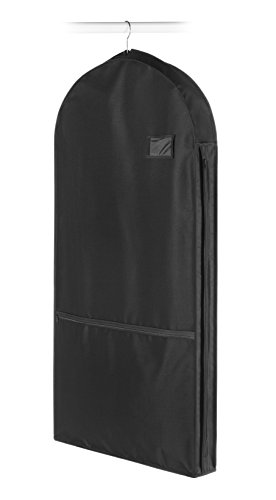
Heavy-duty, water repellant, easy wipe clean fabric

Large Capacity: Each storage bag measures 23 x 16 x 13 inch (60 x 42 x 36 cm). The clothes organizer capacity is 90 L which is designed for travel essentials. It is spacious for your bed sheets, comforters, blankets, pillows, toys, jackets or other clothes

5-pack of Large size vacuum storage compression bags for storing off-season clothes, towels, linens, and more
14. Invest in Quality Over Quantity

Focusing on quality over quantity is a powerful principle for maintaining an organized and clutter-free home. When you choose to invest in fewer, high-quality items, you not only enhance your living space but also reduce the frequency of replacements and disposals. This mindful purchasing habit leads to a more sustainable lifestyle and creates a sense of pride in your possessions.
Visualize a living room adorned with beautifully crafted furniture and decor, where each piece tells a story and serves a purpose. This aesthetic not only elevates your home’s appearance but also fosters a deeper connection with your belongings. By surrounding yourself with timeless, well-made items, you cultivate an environment that reflects your values and enhances your everyday life.
Shop This Look

【King's Throne】GTPLAYER, the unrivaled leader in North American gaming chairs, presents the zenith of seating comfort. Each component, from the chair's robust iron frame to the memory foam and premium leather, undergoes meticulous crafting in our proprietary factory.
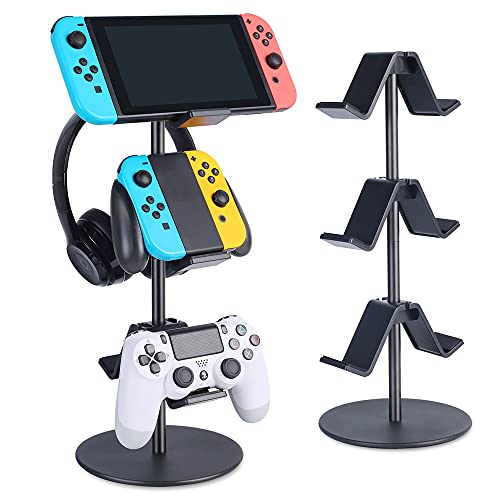
👍NOT ONLY a STAND:Multi advanced all-round 3 tier stand:controller holder+headset stand+...---all universal models can be perfectly stored or displayed,and up to 6 can be placed.Excellent stable and flexible,compatibility with your stylish interiors and digital home appliances , so it not only a stand but also a beautiful storage furniture.

IMPORTANT NOTE: If you bought your PS4 in 2016 or later, this PS4 wall mount will NOT fit. This only fits the PS4 FAT Version (the console sold from 2013 to mid 2016) and does not fit the PS4 Slim (console sold from mid 2016 to Present) or PS4 Pro. Compare the images in the second product photo to your console to make sure you have the right one.
15. Create Zones for Different Activities

Designating specific zones in your home for various activities can significantly enhance functionality and organization. This zoning technique helps delineate spaces for relaxation, work, and hobbies, making it easier to keep related items in their designated areas. For instance, creating a cozy reading nook with a comfortable chair, shelves filled with books, and soft lighting can serve as a retreat from the hustle and bustle of daily life.
Imagine a home office corner that is well-defined and equipped with all the necessary tools for productivity, while a family game area is filled with fun items ready for gatherings. By clearly defining these spaces, you not only optimize their use but also create an inviting and purposeful atmosphere throughout your home. This thoughtful layout encourages family members to engage with their spaces meaningfully, enhancing both organization and enjoyment.
Conclusion

Transitioning from clutter to harmony doesn’t happen overnight, but incorporating these strategies can bring you closer to your dreamy home. Remember to declutter first, create a plan, and stay intentional about what you allow in your space.
Embrace the magic of a well-organized home that truly reflects your lifestyle. Don’t hesitate to share your progress or tips with others—after all, we’re all in this journey together!
FAQ – Decluttering vs Organizing
What’s the main difference between decluttering and organizing?
Decluttering is about letting go of the stuff you don’t actually need, use, or love. Organizing comes *after* — it’s how you arrange what’s left in a way that makes sense. If you try to organize before decluttering, you’re just moving clutter around.
Why do I always feel like my space gets messy again after I organize?
Probably because you’re organizing things you don’t really need. Without decluttering first, it’s easy to keep systems in place that don’t actually work for your real life. Less stuff = less stress = easier to keep clean.
Can I declutter without getting overwhelmed?
Absolutely. Start small — like one drawer, one shelf, or one category (just shoes, just mugs, etc.). Don’t try to do your whole home in one day. Little wins build momentum and make it less emotional.
What should I do before I even start decluttering?
Ask yourself what kind of space you actually want to live in. Get clear on your priorities — comfort, calm, function — and use that to guide what stays and what goes. It’s not about perfection. It’s about feeling good in your space.
Note: We aim to provide accurate product links, but some may occasionally expire or become unavailable. If this happens, please search directly on Amazon for the product or a suitable alternative.
This post contains Amazon affiliate links, meaning I may earn a small commission if you purchase through my links, at no extra cost to you.


