


Welcome to the vibrant world of acrylic canvas painting!
Whether you’re a seasoned artist or just stepping into the creative realm, these 22 painting techniques will spark your imagination and set your creativity free.
Acrylics are a dream come true for artists—quick-drying, versatile, and ready to bear the weight of your wildest ideas. With their ability to layer seamlessly, you can play without the stress of waiting for paint to dry.
From lively brush strokes that swirl and twirl across the canvas to captivating textures that invite a closer look, each technique is a unique way to share your thoughts and feelings. Forget about perfectionism; it’s all about the joy of creating!
This collection is filled with easy-to-follow tutorials, complete with step-by-step instructions to guide you through each exciting process. Whether you’re aiming to paint breathtaking landscapes, bold abstracts, or intricate details, there’s a technique that’s just right for you.
These painting techniques cater to artists of all skill levels. Beginners will find valuable steps to boost their confidence and hone their style. Experienced artists, on the other hand, might discover fresh inspirations and inventive ways to weave these techniques into their work.
So, gather your supplies, set up your creative space, and let your imagination take the lead. With these 22 acrylic canvas painting techniques, you’re not just making art; you’re embarking on a therapeutic journey that nurtures personal expression and growth.
Let the canvas be your playground, and remember, every stroke is a step closer to uncovering your unique artistic voice!
1. Blending Colors

Blending colors is a foundational technique that creates smooth transitions between hues, perfect for creating sunsets or soft backgrounds.
Start by applying two or more colors next to each other on the canvas. Using a clean brush, gently blend the colors together with soft strokes.
The key is to work quickly before the paint dries, allowing the colors to merge beautifully. Experiment with different brush sizes and shapes to see how they affect the blending. This technique is ideal for creating depth in landscapes or portraits.
2. Dry Brushing

Dry brushing is a technique that adds texture and depth to your paintings by using a dry brush and minimal paint.
To achieve this effect, dip your brush into a small amount of paint and wipe off the excess on a paper towel. Then, lightly drag the brush over the canvas, allowing only the bristles to catch on the surface.
This technique is fantastic for creating rough textures, such as tree bark or clouds, and can also add a weathered look to your artwork. The result is a beautifully layered appearance that draws the eye.
3. Palette Knife Painting

Palette knife painting allows for bold, expressive strokes that can transform your artwork into a textured masterpiece.
Instead of using a brush, you’ll apply paint directly to the canvas with a palette knife, creating sharp lines and thick textures.
This technique is perfect for adding dimension to flowers or abstract designs. Experiment with different knife shapes and sizes to see how they can change the outcome of your artwork. The result is a striking visual that stands out in any room.
Shop This Look

Unlike flimsy thin aprons that tear easily and fail to block stains, our apron uses 0.3mm thick waterproof fabric—3x thicker than ordinary aprons! It effectively blocks oil, water, paint, and food residue, keeping clothes clean for women in the kitchen, men at the grill, and artists in the studio. No more worrying about thin material showing through or tearing after few uses
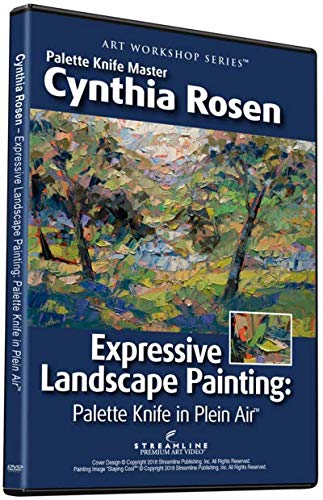
CYNTHIA ROSEN: EXPRESSIVE LANDSCAPE PAINTING — PALETTE KNIFE IN PLEIN AIR
4. Pouring Technique

The pouring technique is a mesmerizing method that involves mixing acrylic paint with a pouring medium to create fluid, marbled effects.
Pour the paint onto the canvas in different sections, allowing it to flow and blend naturally. You can tilt the canvas to manipulate the flow and create unique patterns.
This technique is great for creating abstract art or colorful backgrounds and can be both relaxing and captivating to execute. Each piece will be one-of-a-kind, making it a fantastic choice for personalized decor.
Shop This Look

CONVENIENT SIZE - This Apple Barrel Acrylic Paint comes in a versatile 8 oz size that is great for basecoating, stenciling, and so much more

CONVENIENT SIZE & FUN BRIGHT COLORS - This versatile acrylic paint set includes 16 - 2 oz bottles of colorful craft paint. The colors in this kit include: White, Black, Flag Red, Jack-o-Lantern, Bright Blue, Candy Pink, Nutmeg Brown, Bright Yellow, New Shamrock, Purple Iris, Too Blue, Fuchsia, Key West, Pewter Grey, Bright Magenta, and Parrot Blue

36 VIBRANT COLORS : Shuttle Art 36 colors acrylic paint set contains 36 unique colors highly pigmented paints, including classic metallic gold and silver colors, also comes with 12 brushes and 1 palette, when you receive this art painting kit you can paint right way
5. Stippling

Stippling is a technique involving the use of small dots of paint to create texture and depth in your artwork.
Using a round brush or a cotton swab, apply paint in a dotting motion to build up layers of color. This technique can be used to create everything from pointillist portraits to textured landscapes.
The more dots you apply, the richer the texture will become. This method encourages patience and precision, resulting in detailed and intricate designs that captivate the viewer.
6. Wash Technique

The wash technique involves diluting acrylic paint with water to create transparent layers, perfect for backgrounds or soft washes of color.
Apply the thinned paint over the canvas using a large brush, allowing the colors to flow and blend organically. This technique is particularly effective for creating ethereal skies or gentle landscapes.
Layering washes can add depth and dimension to your artwork, giving it a dreamy, soft aesthetic that is visually stunning.
7. Sgraffito

Sgraffito is a technique that involves scratching through a layer of paint to reveal the layer beneath, creating intricate designs and textures.
After applying a base layer of paint, use a tool like a palette knife or a toothpick to carve into the paint, revealing the colors underneath. This technique is fantastic for creating details in a landscape or adding patterns to abstract work.
The contrast between the layers creates a striking visual effect that adds depth and interest to your painting.
8. Glazing

Glazing is a captivating painting technique that can elevate your artwork to new heights, allowing you to achieve a remarkable depth and richness that can transform even the simplest compositions into stunning visual experiences.
To begin, it’s essential to prepare your canvas properly. Once you have completed your initial layer of paint and allowed it to dry thoroughly, you can start the glazing process. The magic happens when you combine acrylic paint with a glazing medium. This mixture creates a semi-transparent layer that can be applied over your base colors, enhancing them without completely obscuring the layers beneath.
As you apply the glaze, you’ll notice how it interacts with the underlying colors, resulting in a luminous effect that adds vibrancy and complexity to your artwork. The beauty of glazing lies in its versatility; it can be used to create a wide range of effects, from subtle shifts in color to bold highlights that draw the viewer’s attention.
This technique is particularly beneficial for portrait painting, where capturing the nuances of skin tones and shadows is crucial. By building up layers gradually, you can create a more realistic and lifelike representation. Start with a warm base tone for the skin, then add translucent layers of color, such as soft pinks or muted earth tones, to develop depth in the cheeks and shadows around the jawline and forehead.
Additionally, glazing allows you to refine your details. Whether it’s the sparkle in the eyes or the delicate blush on the cheeks, the translucency of the glaze helps these elements pop, giving your portrait a vibrant, three-dimensional quality.
It’s important to remember that patience is key in this process. Allow each layer to dry completely before adding the next one. This not only helps prevent muddying the colors but also lets you assess how the layers interact with one another.
As you become more comfortable with the technique, you can experiment with different colors and levels of transparency, creating unique effects that reflect your artistic style. Glazing not only enhances your painting skills but also invites you to think critically about color relationships and layering.
So, if you’re looking to add a new dimension to your artwork, give glazing a try. With a little practice and experimentation, you’ll be able to create breathtaking pieces that truly come to life on the canvas.
9. Impasto

Impasto is a technique that involves applying thick layers of paint, creating a three-dimensional effect on the canvas.
Using a palette knife or a heavy brush, apply paint directly onto the canvas in thick strokes. This method adds texture and dimension to your artwork, making it incredibly tactile and visually striking.
Impasto works beautifully for landscapes, flowers, and abstract pieces, allowing you to express emotion through the physicality of the paint.
10. Masking

Masking is an exciting technique that involves using masking tape or fluid to create crisp lines and shapes in your artwork.
Before painting, apply tape to sections of the canvas where you want to maintain the original surface. Once the paint is dry, remove the tape to reveal clean edges and defined shapes.
This technique is great for geometric designs, bold patterns, or landscapes with defined elements. It adds a level of precision that can elevate your artwork significantly.
Shop This Look

Professional Mask Tape - Multi-Surface adhesive tape made of high quality blue crepe paper not easy to lift or curl, has sunlight, UV, heat, moisture resistant, sturdy to use. So, blue tape painters tape is very much suitable for indoor and outdoor, office, home decoration, classroom. And, its paper use environment friendly material, harmless to human body, using blue paint tape can reduce the natural burden. Excellent blue masking tape for packaging, closing, and light duty masking and sealing.

READY. SET. PAINT!: 1 roll of 1.88 inch wide ScotchBlue Original Painter's Tape, a multi-surface solution for preparing to paint your living or working environment

TACKLE INDOORS AND OUTDOORS: Has a strong adhesive that can be used as an indoor or outdoor tape
11. Dripping

The dripping technique allows paint to flow freely, creating spontaneous and dynamic compositions.
Using a thin consistency of acrylic paint, let it drip from the canvas or manipulate it to create drips and runs. This technique is great for abstract art, as it encourages creativity and spontaneity.
You can layer different colors to create a vibrant, flowing effect that captures movement and energy, making your artwork feel alive.
12. Stencil Painting

Stencil painting is a fun and accessible way to create intricate designs and patterns on your canvas.
Using a pre-made stencil, apply paint over the cut-out areas to create defined shapes. This technique can be used for everything from simple designs to complex patterns, making it versatile and beginner-friendly.
Stenciling allows you to experiment with layering colors and textures, bringing your artistic ideas to life in a structured manner.
Shop This Look

Organized Cosmetic Storage: The Juvale Canvas Makeup Bag set includes six durable and versatile makeup pouches, perfect for organizing cosmetics and beauty products. Each canvas zipper bag measures 11.75 x 5.5 inches, accommodating a variety of items

Bulk Pack of 12: This pack includes 12 drawstring backpacks in assorted colors, including black, natural, white, navy, red, royal blue, lime green, orange, turquoise, hot pink, light pink, and green. Perfect for parties, gifts, or craft projects!

VIBRANT BLACKBOARD CHALK: All of our chalk sets are thoughtfully-selected rainbows of colors. The palettes are designed to not only "pop" use on traditional blackboards and chalkboard paint, but you can also use them anywhere.
13. Negative Space Painting

Negative space painting focuses on the area surrounding the main subject, creating balance and contrast in your artwork.
By intentionally leaving areas of the canvas unpainted, you allow the background to become part of the composition. This technique is great for creating depth and drawing attention to your subject.
Experiment with colors and shapes to see how negative space can enhance your overall design.
14. Collage Techniques

Collage techniques involve combining various materials, such as papers, fabric, or found objects, with acrylic paint to create mixed-media art.
Start by adhering your chosen materials to the canvas and then layer paint over them for a cohesive look. This technique adds texture and dimension, allowing for limitless creativity.
Collage art can tell a story or evoke emotions through the combination of different elements, making it a captivating method to explore.
15. Chiaroscuro

Chiaroscuro is a technique that emphasizes the contrast between light and dark to create a dramatic effect in your artwork.
By focusing on the highlights and shadows, you can add depth and realism to your subjects, whether it’s a portrait or still life.
This technique requires careful observation and blending to achieve a smooth transition between light and shadow, resulting in a captivating and dynamic composition.
16. Underpainting

Underpainting involves laying down a base layer of paint before applying the final layers, helping to create depth and dimension.
This technique can be done using monochromatic colors to establish values, making it easier to layer colors later.
Underpainting is particularly useful for portraits or landscapes, as it sets the foundation for more detailed work. It allows for a richer and more complex final piece, enhancing the overall visual impact.
17. Color Blocking

Color blocking involves using solid blocks of color to create bold and striking artworks.
Choose a limited color palette and apply large sections of color onto the canvas, allowing each block to stand out. This technique is perfect for abstract art or modern designs, creating a visual punch that captures attention.
Experiment with different shapes and sizes to see how they interact, creating a dynamic composition that feels fresh and contemporary.
18. Textured Backgrounds

Creating textured backgrounds can add depth and interest to your artwork, making it visually engaging.
Use tools like sponges, brushes, or even your fingers to apply paint in various ways, creating a rich surface. Experiment with layering colors and techniques to develop a unique background that enhances your main subject.
Textured backgrounds can transform a simple painting into a captivating piece by creating a sense of movement and depth.
19. Ink and Acrylic Combination

Combining ink with acrylic paint opens up a world of creative possibilities, adding fluidity and detail to your artwork.
Use ink pens or liquid ink to outline or detail your acrylic pieces, creating intricate designs and contrasts. This technique works beautifully for illustrative styles or enhancing abstract works, allowing you to experiment with line quality and texture.
The combination can lead to stunning visual outcomes that merge the boldness of acrylic with the delicacy of ink.
20. Layering Techniques

Layering techniques involve building up multiple layers of paint to create depth, texture, and complexity in your artwork.
Start with a base layer and gradually add more colors, allowing each layer to dry before applying the next. This technique is particularly effective for landscapes, portraits, or abstract pieces, as it creates a rich visual experience.
The result is an artwork that feels alive and dynamic, inviting viewers to explore the intricacies of each layer.
21. Brush Techniques

Mastering different brush techniques can transform your painting style, allowing for a wide range of effects.
Experiment with various brush shapes and sizes, from flat to round, to see how they influence your strokes. Techniques such as flicking, swirling, and stippling can create unique textures and patterns in your work.
This versatility is key to developing your artistic voice, enabling you to express emotions and ideas through your brushwork.
22. Mixed Media Exploration

Mixed media exploration involves combining acrylic paint with other mediums, such as pastels, charcoal, or collage elements.
This technique encourages creativity and experimentation, allowing you to push the boundaries of traditional painting. Use acrylics as a base and add layers of different materials to create depth and interest.
The result is a one-of-a-kind piece that showcases your unique style and artistic vision.
Conclusion

These 22 acrylic canvas painting techniques offer endless opportunities for creativity and self-expression.
Whether you try blending colors or experiment with mixed media, each technique allows you to explore your artistic side and develop your unique style.
So grab your brushes, unleash your imagination, and let the canvas be your playground!


