


Modern gardening often relies on fertilizers, pesticides, and irrigation systems, but what if ancient civilizations had better techniques than we do today? Long before industrial farming, people developed sustainable, resource-efficient gardening methods that thrived in extreme conditions.
With concerns about soil health, climate change, and food security growing, many of these time-tested techniques are making a comeback. Whether you have a small backyard garden, an urban balcony, or a homestead, these methods can help you grow healthier plants with less effort. Let’s explore some of the most brilliant ancient gardening methods that we should be using today!
1. Companion Planting (Indigenous American Three Sisters Method)
If you’ve ever struggled with pests, poor soil, or weak plants, companion planting could be the game-changer your garden needs. This technique, used by Indigenous American tribes for centuries, focuses on growing plants together that support and protect each other naturally.
Shop This Look

🍅Abundant Variety, High Yields: Each variety boasts up to 15,000 fruit and vegetable seeds, spanning beans, squash, lettuce, tomatoes, and more, empowering you to achieve a plentiful harvest dream effortlessly.
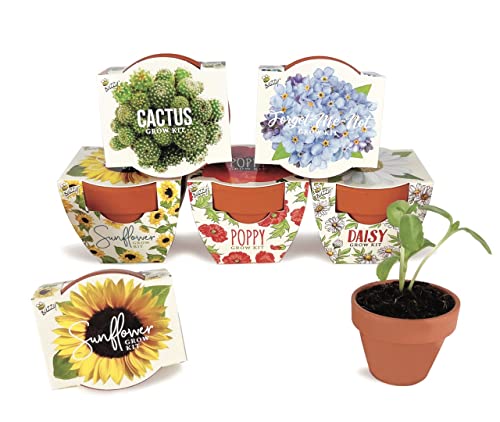
Mini Terracotta Pots: Includes 6 mini terracotta pots and 6 seed packs with assorted seeds like sunflower, daisy, poppy, cactus, and forget-me-not
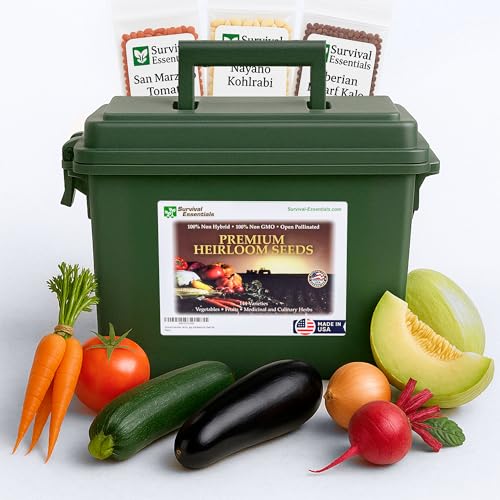
Your Family’s Safety Net: Non-GMO heirloom vegetable seeds for planting a survival garden that keeps you fed when supply chains fail or grocery shelves go bare
The Famous Three Sisters Method
One of the best examples of companion planting comes from the Iroquois and Cherokee tribes, who perfected the Three Sisters Method. This involves planting:
🌽 Corn – Provides a natural trellis for beans to climb.

🌱 Beans – Enrich the soil with nitrogen, helping all plants thrive.

🎃 Squash – Spreads across the ground, preventing weeds and keeping the soil moist.

These three crops work together symbiotically, creating a self-sustaining mini-ecosystem. The result? Less weeding, better soil, and healthier plants!
👉 How to Try It Today:
If you want to experiment, plant corn first and wait until it’s about 6 inches tall. Then, add bean seeds around each stalk and plant squash at the base. This method is perfect for raised beds or backyard vegetable gardens.
💡 Bonus Tip: You can apply this principle to other crops! Try planting tomatoes with basil and marigolds to repel pests, or grow carrots with onions to protect against soil-borne diseases.
2. Hugelkultur: The German Raised Bed Technique
If you love low-maintenance gardening, Hugelkultur might be your new favorite method. This ancient German technique involves creating raised garden beds filled with decaying wood, compost, and soil.

Shop This Look
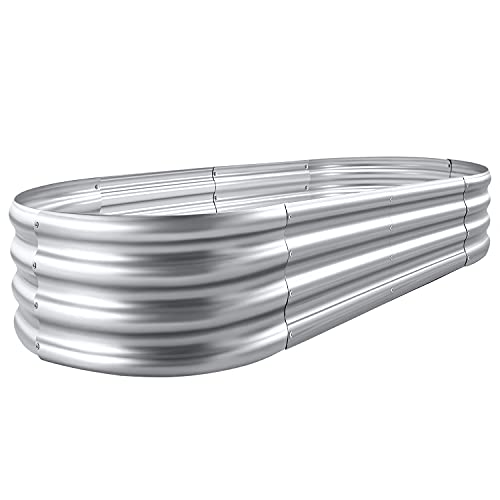
Each raised metal garden bed size: 4×2×1ft ,7.14Cu

Discover the ergonomic elegance of our oval design—engineered for stress-free gardening and visual appeal. Raised flower bed features a heavy-duty construction using secure clamps and bolts, making it the best choice raised garden bed for hassle-free assembling and long-term garden fun, even for beginners or seniors.

【400LBS Capacity & Lifetime Anti-Rust】 Crafted from heavy-duty powder-coated iron (not cheap wood!), this raised bed holds up to 400lbs without bending. The 3x thicker coating ensures it won't rust for years, even in rain or snow. This is the last garden bed you'll ever need to buy."
Why It Works:
🌿 The logs decompose over time, slowly releasing nutrients into the soil.
💦 The wood acts as a sponge, holding onto moisture and reducing the need for watering.
🌱 The raised shape improves drainage and aeration, leading to healthier roots.
This technique is ideal for gardeners in dry climates because it drastically reduces watering needs. Plus, the decomposing logs create an ongoing source of rich, fertile soil.
👉 How to Try It Today:
If you have fallen branches or logs in your yard, don’t throw them away! Stack them in a mound, add compost and soil on top, and plant directly into it. Over time, the wood will break down naturally, feeding your garden.
💡 Best Plants for Hugelkultur: This method works great for perennials, deep-rooted vegetables, and flowers that love well-drained soil, such as tomatoes, pumpkins, and lavender.
3. Chinampas: The Floating Gardens of the Aztecs
If you think you need a huge backyard to garden, think again! The Aztecs developed chinampas, also known as floating gardens, to grow food on lakes and wetlands. These were artificial islands made from woven reeds and nutrient-rich mud, allowing for year-round farming without irrigation.
👉 See how Mexico still uses Chinampas today at The International Institute for Sustainable Development
Shop This Look

WATERING ON VACATIONS: Just go out for vacation without any concern on your plants because our self-watering spikes will do the watering job for you. Please be aware of testing the releasing speed before setting off.

LARGE PACKET FOR ABUNDANT GARDENING. Our Sweet Yards Cosmos Seeds Wildflower Mixture comes in a bulk quarter pound bag, containing over 5,000 seeds! With this generous amount, you can easily cover 100 square feet of your garden, ensuring a lush and colorful display of cosmos flowers.

【DIY Your Garden】This 4x2x1 ft raised garden beds outdoor has all the space you need to build your dream garden! Whether you are growing fruits, vegetables or flowers, it can provide a safe environment and enough space for your plants.
Why Chinampas Were Genius:
🌊 Always had access to water, even in dry seasons.
💩 Built with organic matter, making the soil incredibly fertile.
🐟 Encouraged biodiversity, attracting fish and beneficial insects.
👉 How to Try It Today:
Even if you don’t have a pond, you can recreate the chinampa principle with raised beds that capture rainwater, or by using self-watering planters for balcony gardens.
💡 Best Plants for Chinampa-Style Gardening: Leafy greens, herbs, and plants that love moisture, like cucumbers and peppers.
4. Terra Preta: The Mysterious Amazonian Dark Soil
Deep in the Amazon rainforest, Indigenous communities created Terra Preta, a super-rich black soil that is still incredibly fertile after thousands of years. Unlike normal soil, Terra Preta regenerates itself thanks to a special mix of:
🔥 Biochar (charcoal that traps nutrients)

🍂 Compost & organic waste
🐟 Crushed fish bones & shells

Scientists today are still trying to decode its secrets, but one thing is clear—this ancient soil-building technique could transform modern agriculture.
👉 How to Try It Today:
To create your own Terra Preta-style soil, add biochar to your compost or mix it with nutrient-rich materials like manure, food scraps, and crushed eggshells. This technique is perfect for raised beds and vegetable gardens.
💡 Why Women Gardeners Love It: Less fertilizer is needed, plants thrive longer, and soil becomes naturally healthier over time!
👉 Learn about how Terra Preta is still used today on National Geographic
Shop This Look

Feed the soil not the plants - stimulate microbial activity in your soil and boost probability of success with all types of plants… like composting but faster

FOR EVERYTHING YOU PLANT: Use Bio-tone Starter Plus fertilizer when planting / transplanting all plants.

Complete formula for composting. Enhances decomposition process for nutrient-rich compost
5. Waffle Gardens: Drought-Resistant Farming from the Zuni People
For those in hot, dry climates, the Zuni waffle garden method is a life-saving technique. Used by the Zuni people in the Southwest United States, these grid-like gardens have raised edges that trap rainwater, preventing it from evaporating too quickly.
Why Waffle Gardens Work:
✅ Perfect for drought-prone areas.
✅ Reduces water waste while keeping soil moist.
✅ Protects plants from wind erosion.
👉 How to Try It Today:
Instead of planting in rows, create small square garden beds with ridges around them. This method is great for growing drought-resistant veggies like beans, squash, and chili peppers.
💡 Best for Women Who Garden in Dry States: If you live in Arizona, Texas, or California, this technique will help you garden successfully with less water.
Final Thoughts: Why We Should Revive These Ancient Techniques
For thousands of years, women and families have found brilliant ways to grow food naturally—without chemical fertilizers, pesticides, or artificial irrigation. These ancient gardening techniques are more than just history—they’re the future of sustainable gardening.
🌿 Whether you’re looking to:
✅ Grow healthier food with less effort
✅ Reduce watering needs
✅ Improve soil naturally
✅ Garden in small spaces
These proven, low-maintenance methods can help you enjoy a more productive, eco-friendly garden!
🌱 Which of these ancient techniques would you try? Drop a comment below and let’s talk gardening!


